James Dyson
James Dyson is the founder and chairman of Dyson.
Summary
James Dyson is the founder and chairman of Dyson, a technology-led company present in 84 markets worldwide. He is an inventor, entrepreneur, and philanthropist who has devoted his life to solving problems through new technologies.
Under his leadership, Dyson created some of the most iconic household products in the world: the bagless vacuum cleaner, the Airblade hand dryer, bladeless fans, and the Supersonic hair dryer. Around half of Dyson's global team are engineers and scientists, with research interests spanning robotics, AI, machine learning, solid-state battery development, material science, and high-speed electric motors.
After developing 5,127 failed prototypes and being rejected by every major manufacturer, Dyson launched his own company and reshaped the vacuum industry by the 1990s. He became known for his iterative engineering approach, his cyclonic separation technology that eliminated bags, and his ability to bring products to market against fierce opposition.
His accomplishments include building Dyson into a multi-billion-dollar global enterprise, establishing Dyson Farming in 2013, founding the James Dyson Foundation in 2002 to inspire young engineers and run the annual James Dyson Award, and creating the Dyson Institute of Engineering and Technology in 2017—a degree program where students study while working full-time in Dyson's engineering team.
Dyson was awarded a Knight Bachelor in 2007, elected a Fellow of the Royal Society in 2015, and appointed to the Order of Merit in 2016—the highest honor, and the only one within the monarch's personal gift.
Episode transcript
David Senra: You have a weird combination of, like, you built some of the greatest modern technology, but you have this obsession with and love of the past, which I think is very interesting.
James Dyson: Yeah. A healthy obsession with the past, I think. I mean, I did Latin, Greek, and ancient history at school.
David Senra: Yeah.
James Dyson: And apparently of no use at all, but it is interesting how Greek civilization took place, and how Roman civilization started, and how it failed, and how people governed.
David Senra: Mm-hmm.
James Dyson: Were oligarchies good? Were dictatorships good? Or are democracies? And all that, it's interesting. And history repeats itself, and it's repeating itself rather too quickly at the moment. So, history is interesting.
David Senra: We were talking before we started recording, I have this obsession with reading everything that you have written. I've read your first autobiography five times, your second one at least two times. But then people might know about this, but they don't know that you actually wrote "A History of Great Inventions." And what I noticed about this is it was published... I think you were writing this in like 2001. What caused you... Why did you do this?
James Dyson: Yeah.
David Senra: You were building your company at the exact same time.
James Dyson: Yes. Because I'm really interested in inventions, how they happened, who did them, what personalities were behind them. And they're inspiring stories. And luckily, an editor of a big newspaper in Britain asked me to do it. So, I agreed to do it. And actually, we published it as a series of color supplements to a weekend newspaper and then put it into a book.
David Senra: How old were you when you started this, when you had this obsession with history?
James Dyson: Oh, from school. Absolutely from school. But particularly Greek and Roman history. I mean, British history is really interesting, and I know all the kings and queens, I know their dates. I'm not a very clever person, actually. I'm not good at remembering things, but I have remembered all that history. And it jolly well does repeat itself, so you can learn really interesting things from history.
David Senra: And this is what I've noticed, people that are the best in the world at what they do, or near the best in the world at what they do, they all have this love of learning from history. Charlie Munger has one of my greatest, favorite quotes about this. He says that learning from history is a form of leverage, and you can actually use ideas of people long dead, and you'll find out that they were very similar to you. They went through the same struggles.
David Senra: They had the same fears, they had the same insecurities, they had the same triumphs, and you can just pick up a book of somebody's life story, like the ones that I have in front of me. I told you before we started recording, I was going through very... I had this obsession and love with my work, just like you do, and in my case, it was not invention, it was creating podcasting, podcasts. And this book, I found it, I think it was April 2018, the very first time.
David Senra: I read it, and I'd already been struggling to start my podcast for two years with almost no success at all. Basically none, no success. And it took me five and a half years of struggle, and the reason this is so important to find at year two into that five and a half years, before I had any even remote level of success, is because I'm like, "Well, James struggled." This book, 90% of it is you struggling for 14 years, building 5,127 prototypes and refusing to give up.
James Dyson: Mm-hmm.
David Senra: You're also funny as hell in the book, where you're like, "Anytime, if you think I have a little bit of ego, just realize that I'm only celebrating that I have the stubbornness of a mule."
James Dyson: Mm-hmm.
David Senra: This is the note, so obviously I mark up the books like crazy, and I was showing you this before we started recording. And this is really... I got to the very last page, and when I was recording my thoughts for the benefit of other people by making the podcast, this is what you inspired me to do, it's like, "I hope Dyson's story inspires you to say, when you get knocked down, 'All right then, let's give it another go.'"
James Dyson: Mm-hmm. Yeah, bouncing back is really important, and if you are exploring new territory, if you're experimenting and trying to do something different, which is what you and I want to do, you're going to fail many times, and you've got to bounce back from it. And actually, if you learn that failure is so much more interesting than success. Because failure, you question it. "Well, why did it go wrong?" And actually, the reason it goes wrong is often very, very interesting.
James Dyson: Where if something works, you say, "Great, that works," and you don't even stop to wonder why it worked. So, you've got to enjoy failure, as that sounds like a difficult thing to do, but you have to enjoy failure if you want to improve things, if you want to not change the world, but change things and improve things. Goes hand in hand. And it always saddens me that school doesn't really teach that.
James Dyson: At school or university, the thing is to be brilliant and to get the answer right the first time. And there are brilliant people who can do that, but for the rest of us, we're not brilliant. And to get there, we have to strive, and we have to go through failure, and we realize that you don't get it right the first time, and you don't get it right the second time. In my case, and I counted it, it's 5,127 times.
James Dyson: One of the things I always want to say is that that sounds like a struggle. Okay, it was a struggle, but actually, it was a hugely enjoyable struggle. The debt was mounting and I had three children, and a wife, and a home, and then a mortgage to pay like everybody else. But I had a real point in life, I had a real aim, and I had to get there. And the failures were interesting because I learned from every single one of them, almost every single one of them.
David Senra: Say more about that you had an aim in life. Was it a mission? How did you think of it then, while you were going through it?
James Dyson: Well, when I discovered that I loved engineering, because I did classics in school. Like, I couldn't be further away from engineering, and then I went to study design and then discovered engineering.
David Senra: Yeah.
James Dyson: So, engineering was new to me, it was like something new. And I had this sort of stupid thought when I was at college that I wanted to design products, I wanted to engineer them, I wanted to develop their technology, and I wanted to manufacture them, and I wanted to sell them. So, it's a sort of megalomaniacal thought.
David Senra: Why? Why is it megalomania thought?
James Dyson: Because I was just a penniless student in London, you know? How could I have this thought of being a global manufacturer? And I don't know how or why I had that thought, but there were interesting things happening at that time, because Concord was happening. Issigonis brought out his Mini car, which is still going today, by the way. Hugely successful today.
David Senra: Yeah.
James Dyson: And it was about 15 years after the Second World War, so there was deprivation during the war and immediately afterwards. But suddenly, particularly in the mid-'60s, and I think particularly in London where I was, there was a feeling that, "Ah, we're free of the past. We can do something new and different." And Norman Foster, Richard Rogers, and Buckminster Fuller, all these people were having really expansive and revolutionary thoughts about design, engineering, buildings, and so on.
James Dyson: So, I was very lucky to be part of that era. And I think I caught the bug, and I had this very cheeky idea that that's what I wanted to be.
David Senra: So, this is when you meet Jeremy Fry. I, actually, was not expecting to start our conversation the way we just did, but I'm glad. It leads perfectly to how I really wanted to start, which is like, if you can explain who Jeremy Fry was and the impact that he had on your life.
James Dyson: Mm-hmm. Well, I was at the Royal College of Art doing design, and I was taught by a very famous structural engineer who worked with Foster and Rogers, and I became interested in engineering. And I designed a Buckminster Fuller-type structure for an impresario in London. It was a theater for an impresario in London.
James Dyson: And I went to this engineering company, this millionaire who had founded an engineering company, and asked him if he'd give money to the theater. And he said, "No, but I'll give you a job. I can see you're an interesting genius, and I'll give you a job." So, he started giving me jobs, and one of them was to design this high-speed landing craft, which was his invention, but I engineered it and designed it. And he then said, and I was a long-haired student with long hair, flared trousers, tight shirts, flowered shirts, all that sort of thing.
James Dyson: He said, "Come and start the company, making it and selling it." So, I sort of looked at him a bit and said, "I don't know how to sell things." And he said, "Look, you're the engineer. You've chosen every square inch of that product, all everything. You know it all. You're the best person to sell it." So, that was an interesting sort of revelation for me, because I'd always thought there were professions. And sales was one profession, engineering was another, manufacturing was another, and being a manager was another.
James Dyson: And suddenly it was this entrepreneur himself saying to me, "Well, look, you're an engineer and designer, and you know all about the product. Go and make it, and go and sell it." So, it broke down all the barriers for me. We became great friends, and we had lots of discussions about engineering and shared this passion for engineering and for making things.
David Senra: And you found somebody that also had an obsession with the past, past engineers, past designers, past inventors that you could actually have deep conversations with about how they built their products and why they made these certain decisions.
James Dyson: Mm-hmm.
David Senra: And then you used those to inform the work that you guys were doing, correct?
James Dyson: Yes, I mean, he was a friend of Issigonis. So, I'd never met Issigonis, but I heard about him from him.
David Senra: Mm-hmm.
James Dyson: They used to do hill racing together, design cars, very, very light cars that raced up hills very quickly with very little power. So, it's sort of very skinny engineering, minimalist engineering.
James Dyson: And so, he had quite a lot of stories from that era. He was 20 years older than me. So, he had seen a bit of life during the war and had done this racing car thing, and established an engineering company.
David Senra: Mm-hmm.
James Dyson: So, he just removed the barriers that it was okay to be an obsessive engineer. And you just do whatever it is you want to do, and then you go out and sell it. And hopefully, like the Pied Piper of Hamelin, people will follow you. So, you know, to get that advice from someone at that crucial stage in my life was, well, I'd say mind-blowing. It enabled me to carry on and do things that everybody said I couldn't do.
David Senra: And then what do you think, because you worked on the Sea Truck for five years before you left?
James Dyson: Yeah, about seven, because I did two years of it when I was at college.
David Senra: Seven years.
James Dyson: I moonlighted and designed it, and made one while I was at college, and then I left college and ran the business making and selling it.
David Senra: What were some of the most important lessons from the seven years when you were doing the Sea Truck?
James Dyson: Oh, I think I learned everything from that. I learned how to manufacture, how to approach manufacturers and get them to make components, how to set up a factory building the product, how to sell it overseas, how to find agents and distributors, all that sort of thing, and learn failures and successes with that, to learn that it's all about people, not appearances or how big their company was. It's finding the right sort of person with the right sort of enthusiasm.
David Senra: Say more about that.
James Dyson: Probably if you're running a public company and you're choosing a distributor, let's say for Canada, it would probably be irresponsible to find an individual who is just starting out rather than choosing an established distributor. But, of course, the person who's just starting out, okay, he hasn't got a name yet, but he's probably incredibly enthusiastic and will put everything behind it and work all hours to make it work. So, it's the person, not the business, really, that you're backing.
David Senra: My friend Josh Kushner has this great quote when you have to decide, when you're partnering with somebody, do you decide the most experienced, the most educated, or who wants it the most? You always choose the person that wants it the most.
James Dyson: Experience is an interesting thing, and Jeremy Fry taught me this. He hated experienced people. He also hated people with beards and something else.
David Senra: Oh, no.
James Dyson: But anyway, but this was a different era.
David Senra: Oh, no.
James Dyson: This was a different era. Oh, no, smoking pipes, that's right, because people used to smoke pipes back in the '60s. And beards were different in the '60s. But, anyway, come back to the experience thing, which is the important thing. And I've discovered this, if you're experienced, you know why not to do something or how not to do something.
James Dyson: Whereas if you're naive and you're a young engineer, you've just qualified, or you're still training, you don't have that negativity towards certain things. And often it's something that hasn't worked previously that could work and is interesting to follow. So, you're very open.
James Dyson: And I love naivete, people asking silly questions, stupid questions, because it creates a different way of doing things, and we've got to find different ways of doing things all the time.
David Senra: My friend, Daniel Ek, the founder of Spotify, we had a conversation about this where he actually thinks naivete is like one of the greatest assets a young entrepreneur or an inventor can have, because he's like, "If I knew how difficult it would be to make Spotify succeed at the beginning, I would not have done that."
James Dyson: Yeah. Yeah. Naivety equals stupidity. I don't think that. I think that naivety is interesting because you're thinking really hard, "How the hell do I do this? I don't know how to solve this problem." The experienced person might think they know how to solve it, but the naive person doesn't. So, they're thinking much harder and more intelligently.
David Senra: James Dyson is obsessed with crafting a high-quality product, and he's made some of the best products in the world by running tens of thousands of experiments throughout his life. Every single experiment was aimed at making a better product for his customer. That is exactly what the presenting sponsor of this podcast, Ramp, does. Dyson reminds me of my friend Karim, who's the co-founder and CTO of Ramp.
David Senra: I spend a lot of time talking to Karim, and every single conversation centers around his obsession with crafting a high-quality product and using the latest technology to constantly create better experiences for his customers. This is exactly what James Dyson does. Karim and James Dyson both believe that nothing is ever good enough and everything can be improved. Ramp has one of the most talented technical teams in finance, and they use rapid, relentless iteration to make their product better every day, just like Dyson.
David Senra: So far this year, Ramp has shipped over 300 new features. Ramp is completely committed to using AI to make a better experience for their customers and to automate as much of your business' finances as possible. In fact, Karim just wrote this, "It is our duty to be first movers and push limits so we can make the greatest possible product experience for our customers." That sounds a lot like James Dyson to me. And it is why many of the fastest-growing and most innovative companies in the world are running their business on Ramp.
David Senra: Make sure you go to ramp.com to learn how they can help your business save time and money. Let AI chase your receipts and close your books so you can use your time and energy building great things for your customers, because at the end of the day, that is what this is all about, building a product or service that makes someone else's life better. That is what I'm trying to do, that is what Dyson has dedicated his life to doing, and that is what Ramp has done too. Get started today by going to ramp.com.
David Senra: So, Jeremy was in the business of hiring people like a young James Dyson. Just like this smart, enthusiastic person that clearly wants to do this, as opposed to anybody that came from another company or even a competitor.
James Dyson: Exactly that. Yeah.
David Senra: You're doing this now. You still do this 40 years later, 50 years later.
James Dyson: Yeah.
James Dyson: Yes. And we've taken it one stage further, because we've started our own university. So, we're taking 17 and 18-year-olds and starting even younger, and they work in the business and they ask naive questions.
David Senra: You cover the university in the book. Again, one of the things I've personally learned from you is differentiation for the sake of it.
James Dyson: Mm-hmm.
David Senra: And so, anything that I'm going to do, I look around... One of my heroes is Edwin Land, the founder of Polaroid.
James Dyson: Mm-hmm. Right.
David Senra: And he had this great line, he's like, "My personal motto is, don't do anything somebody else can do." Can you explain exactly how you structured and how you designed Dyson University?
James Dyson: University is very expensive.
David Senra: Yes. Especially in the United States.
James Dyson: Right. And it's getting as bad in England. Yeah, and it's terrible. And you're saddled with that debt for a long time. I mean, sometimes 20 years. And in any case, a lot of the debt is not repaid. And we need to find a different way to teach people. And it's ridiculous because they're only taught for half the year, the rest of it is holidays. So, you've got these big institutions, expensive institutions, with people only there part-time. It's madness. And also as I learnt when I was at college working with an engineering company-
David Senra: Because you were working with Jeremy while you were still in school.
James Dyson: While I was... Yes, I was sort of moonlighting. The college knew what I was doing and approved of it, but it wasn't what normal students did. So, but I loved that experience, working with people who are having to do things, not academics, people having to do things and having to do them in a hurry. And I really enjoyed that. And I thought, "Well, why can't I give that opportunity to other people?" So, we started our own university.
James Dyson: And it's a difficult thing to do because the government has to approve it. And for seven years, we had to work with another university, and none of them would work with us because they didn't like... They saw us as big competitors because we pay our students.
David Senra: Yeah. You're start with, why are we saddling these young people with an albatross of debt around their necks that's going to limit their... you know, what they can actually pursue?
James Dyson: Mm-hmm.
David Senra: They're going to be taking jobs that they're forced to take that they don't want to take, maybe for money, as opposed to you following your just, I don't even call it a passion, I think it's more like an obsession that you have.
James Dyson: Mm-hmm.
James Dyson: Mm-hmm.
David Senra: So, am I correct? There's no tuition?
James Dyson: Yes, there's tuition. We teach them two days a week.
David Senra: Okay.
James Dyson: And they work with us three days a week.
David Senra: But you pay them for the three days?
James Dyson: We pay them. We pay them $45,000 a year. They have cars, they go on skiing holidays. So, they're just normal people. They're not students. They're in a student group. We have about 170 of them altogether. But they're interspersed throughout the company, and they love that. They love working with people who are earning money and having to make things work, having to do engineering, having to do marketing or selling whatever it is, manufacturing.
James Dyson: They like the reality of that, and it inspires them to learn the academic side. Because a lot of them said the academic side of engineering is difficult. It's hard. But I'm inspired to do it because I got to practice it every day.
David Senra: As opposed to separating the two?
James Dyson: As opposed to going to university and just having academia for four years. With us, they're being inventors, they're developing technology, and they're learning exactly why they need to know the academic side, the theory.
David Senra: Explain why it's better to have, in your opinion, a person with no experience than somebody that came from an existing company.
James Dyson: The older you get, the more you try to apply your experience. And if you've come from an existing company, you may have picked up bad habits. I'm not saying we don't have bad habits at Dyson, but I'm saying you've picked up the habits of that company, which may not be the right sort of attitude that we want, this attitude of constant change, constantly trying new things, trying to be different for different's sake, because it sets us on a different path. And some people find that difficult. Some people want to have a much more conventional way to do things.
David Senra: And so, if you're hiring, you have 18-year-olds working in Dyson, they're also going to school.
James Dyson: One or two 17-year-olds as well.
David Senra: Okay, 17, 18-year-olds. What is that like?
James Dyson: To be honest, nobody really notices any difference.
David Senra: Okay, that's going to be shocking for at least people who they assume, okay, that you have to graduate high school in America, they have to go to college, and maybe in many cases, they go to graduate school, and then they're almost 30 by the time they start working. And you're like, "No. Hire the 18-year-old."
James Dyson: Yeah.
David Senra: You've got to say more about this.
James Dyson: Yeah. Well, because they're enthusiastic. They've come to us because they want to do real work, and they do real work. And just because they're not as experienced as graduates or someone in year four as opposed to year one doesn't mean to say they don't have just the same to offer, or even something better to offer because they're even more naive. So, it works really, really well, and it's interesting.
David Senra: I want to go back to the seven years with the Sea Truck. You write about Jeremy Fry in both books, and in many cases, 50 years in this book, 50 years after you spent time with him and worked with him. You said there's a lot of ideas that you learned working with him that you still apply to this day at Dyson, which I think is very fascinating and speaks to the power of ideas, and just...
James Dyson: Mm-hmm. Mm-hmm.
James Dyson: I don't have a prejudice against beards, by the way.
David Senra: Oh, thank you.
James Dyson: Yeah, I think I probably retained the pipe one, but not the beard one.
David Senra: I don't smoke a pipe. That's fine. And I don't have, like, the hippie beard, so this is fine.
James Dyson: No, no.
David Senra: I mean, it'd break my heart to know Jeremy Fry, because he's become almost my hero too.
James Dyson: He would've changed over the years.
David Senra: For sure. But one thing that's fascinating is, okay, this also speaks to... I'm curious about your opinion on risk tolerance. Obviously, you have excessively high risk tolerance in both stories.
James Dyson: Mm-hmm.
David Senra: But you're like, "I'm working for..." you know, your mentor, who you think is a genius."
James Dyson: Mm-hmm.
James Dyson: Mm-hmm.
David Senra: He treats you really, really well. He gave you complete autonomy and control. He's like, "Just go run this business." There's a great line in the book where you're like... He introduced you to a completely different modus operandi of the way to operate, where you're like, "We need somebody to know about aerodynamics." He's like, "Well, the Range Rover's down there. Like, the lake's right there. Like, tie a piece of wood behind a boat and record what happens and then change it."
James Dyson: Mm-hmm.
James Dyson: Mm-hmm. Yeah.
David Senra: But you had a wife and at least one child when you left to do the Ballbarrow?
James Dyson: Two.
David Senra: Two.
James Dyson: Two children, yeah.
David Senra: Okay, so two kids. You have a mortgage.
James Dyson: Married, yeah.
David Senra: So, you have a family to take care of. You have a great high-paying job.
James Dyson: Mm-hmm.
David Senra: Right? You're working hand-in-hand with somebody you greatly admire that has taught you a ton in seven years, and yet you're like, "I need to go out and be an entrepreneur and do my own thing."
James Dyson: Mm-hmm.
David Senra: Okay, so I want to talk about that. But then the second thing that I didn't understand no matter how many times I read this is, why didn't you let him fund that?
James Dyson: That was a really stupid decision.
David Senra: Maybe that's what I couldn't understand it.
James Dyson: Because, and in fact, and ultimately, when I started the vacuum cleaner business, we did fund it together.
David Senra: Yes.
James Dyson: So, that...
David Senra: Which we'll get to.
James Dyson: Yeah. That was a really stupid decision, because he was someone who understood about starting businesses, how difficult it was.
David Senra: Okay.
James Dyson: And in fact, I went to borrow money off my brother-in-law and another party who didn't understand the difficulties of starting businesses and the growth pains and so on.
David Senra: Before we get there, just the decision to leave a great...
James Dyson: Yes, yes. Yeah.
David Senra: It's almost like you seek....
James Dyson: Yeah.
David Senra: Oh, tell me if I'm wrong with this. I know you seek difference for the sake of it. In that time period, you may not be like this now, in that time period, it felt like you were seeking risk for the sake of risk.
James Dyson: Yeah. No, I've thought a bit about that, and I think it's partly because my father died when I was eight, nine, and I think that had a sort of profound effect on me that I didn't realize at the time, because I felt very different to other people, because I was at boarding school, and the headmaster was very kind, and he allowed me to stay on for 10 years without paying any fees, so that was an extraordinary act of kindness.
James Dyson: But everybody else had parents, two parents. There weren't single-parent families in those days. And even if the two had split up, they appeared to come together to come and see their child at school. But I had just my mother coming to see me, my impoverished mother coming to see me. So, I felt different. And also, I think if you've lost a parent at that age, life can't get much worse.
James Dyson: So, you're prepared to take risks, because you've started from a horrible starting point. Risk has become a sort of thing I need to live with. I need to live on the knife edge all the time.
David Senra: You still feel that way today?
James Dyson: I still feel that today, yes. And it doesn't make me unhappy. Don't get me wrong, but I like living for the moment in danger because you're onto something new, you're doing something different, and it's risky. The result is not sure at all. In fact, it's very unsure and very dangerous. And I don't mind that. It doesn't keep me awake at night.
David Senra: So, it starts when your father dies at... He died really young, he was 40 years old?
James Dyson: Yeah, 40, yeah, yeah.
David Senra: When you were nine.
James Dyson: Mm-hmm.
David Senra: It's one of the most... I don't even want to start talking about it. I'll start tearing up because, like, that part just destroys me.
James Dyson: Yeah.
David Senra: And I guess I'll talk about this now. I want to go back to the risk and making that jump. I think one of the most profound impacts that your second book has is that you're writing this 60 years after your father dies.
James Dyson: Mm-hmm.
David Senra: And you're talking about your grandson, Mick. And you realize, now as a 69-year-old man with a lifelong set of experiences, just how vulnerable you were, because your grandson, Mick, is still taking his stuffed animal to bed. And now you're left alone. A nine-year-old boy needs his father.
James Dyson: Yeah. No. He had a profound influence on me. He had to do everything. I mean, he loved producing plays, he loved directing them. I've got notes in his little Shakespeare books, crossing out lines and making notes about things. And he did puppet shows, he played the recorder, he taught rugger, he taught hockey. He just wanted to do everything.
James Dyson: And I'm a bit like that, and I was certainly like that at school, especially if it didn't involve academia. And he was like that.
David Senra: I just thought of a connection maybe I didn't make previously. He wanted to change professions towards the end of his life.
James Dyson: He fought in the war in Burma. We call it The Forgotten War.
David Senra: Okay.
David Senra: Yeah.
James Dyson: And it really was, and it was a nasty, nasty war, a long way away. And he came back from that in 1946, and in 1949, he contracted cancer.
David Senra: Okay.
James Dyson: So, he'd been away from his wife for the first six years of their life together. Then he had three years being a classics master at school, and then he got cancer. And so, he was in and out of hospital for the next seven years.
David Senra: Okay. Well, there was...
David Senra: Did he have an opportunity to work for the BBC or something like that?
James Dyson: That's what he wanted to do.
David Senra: That's what he wanted to do but never had the opportunity.
James Dyson: Yeah, yeah.
James Dyson: But never had the opportunity to do it.
David Senra: And now I'm thinking, I just asked you the question, it was like, "How the hell do you leave this fantastic position to go off on your own?" You realized, well, I had the opportunity to, whereas, like your dad, unfortunately for a situation outside of his control, never got that opportunity.
James Dyson: Mm-hmm.
James Dyson: No, he had his life stolen from him at the age of 40, and then, yeah, I'm almost 80, so twice as long as he did.
David Senra: Your mom passed away early too.
James Dyson: Yes. She got cancer as well in her 50s.
David Senra: At 55?
James Dyson: Yeah. No, at 55.
David Senra: My mom passed away from cancer early too.
James Dyson: Mm-hmm. Yeah. A horrible disease.
David Senra: Did you ever... This is nothing related to what I think I was going to talk to you about, but your dad passes away at 40, your mom in her mid-50s, you've lived much longer than both of them.
James Dyson: Yeah.
David Senra: When you were younger, were you worried that you were going to die young too?
James Dyson: No. That never occurred to me.
David Senra: Interesting.
James Dyson: No, never occurred to me. I think it made me want to get the most out of life fast, maybe impatient to live my life.
David Senra: Funny, I obviously have a habit and an obsession with reading biographies. Most of the people I read biographies of are not like you, they're actually dead. And I think this unexpected...
James Dyson: Well, I'll try and keep going.
David Senra: No, no. I want to come to Dyson HQ and I want to record more things. I want to like, see the headquarters and everything else. So, you have a reason to live.
James Dyson: Mm-hmm.
David Senra: In addition to your beautiful family and everything else. One of the byproducts of reading a bunch of biographies of dead people is you get to the end, and it's not that you got to the end of the book, you got to the end of somebody's life story.
David Senra: And it's not morbid, but you have this constant reminder that our time here is limited and don't waste a single day. I think about that. I am intolerant to wasting even 24 hours. I think it's actually like a powerful motivator and just a great byproduct of the profession I've chose.
David Senra: I want to go back to you going, taking risks for the sake of risks. "You want to be your own man" I think is the line that you have in the book when you leave.
James Dyson: Mm-hmm. Mm-hmm.
David Senra: So, I understand that. We're going to get to the Ballbarrow, but can you say more...
James Dyson: So, that was the point. You did ask me that question of why I didn't ask Jeremy Fry to help fund the thing. It's because I wanted to do something on my own.
David Senra: Yeah.
David Senra: And you felt...
James Dyson: I'd worked for somebody and I wanted to do something entirely on my own.
David Senra: But you'd still be the entrepreneur. You'd still be...
James Dyson: But it was a terrible decision, but that's how I felt at the time.
David Senra: But why not take money from him?
James Dyson: Because I felt I'd worked with him, he'd been my mentor.
David Senra: Okay.
James Dyson: And I wanted to just go off and do it on my own. It was to prove something to myself, I suppose. It was a stupid decision because I was still having other people help fund me.
David Senra: Yeah.
James Dyson: So, it was a really stupid decision, and you do make stupid decisions in life, and I learned from my mistake. And so, when I started the vacuum cleaner, I went back to someone who understood entrepreneurship, who had been an entrepreneur, rather than people who hadn't been entrepreneurs.
David Senra: We were talking about this earlier, you and I were talking about this earlier, where there is now a new class of capital available to entrepreneurs that is not institutional venture capital, that obviously still exists, but you have a lot of people that have had incredible success, like yourself.
James Dyson: Mm-hmm.
David Senra: But I've become friends with Michael Dell and this is something that he's interested in, in providing alternative funding solutions to entrepreneurs from an entrepreneur that knows exactly what they're going through, that is not a professional investor, not trying to make more returns.
James Dyson: Mm-hmm.
David Senra: They have more money than they'll ever spend. They literally love entrepreneurs and want to help entrepreneurs, I think it's really important.
James Dyson: Yeah.
David Senra: I want to go through the list of mistakes, because you always say this and I love it. I have the first version of your second biography, which is "Invention of Life." I think it's changed now. Yeah, I think you were going to name it like, "Failure is More Interesting Than Success" or "More Fun Than Success."
James Dyson: It shows what a lousy marketer I am. Yeah, the publishers quite rightly said it won't sell.
David Senra: So, let's focus on the failures and the mistakes that you made. With the Ballbarrow. What still sticks out in your mind about that?
James Dyson: Right at the beginning, having people help fund it, because I had to put up a guarantee. My brother-in-law put up a guarantee.
David Senra: The guarantees against your house?
James Dyson: The guarantee was against my house.
David Senra: Okay.
James Dyson: Fortunately, I had a house by then. My brother-in-law put up a guarantee, and we borrowed money from the bank. By the way, interest rates went to 22% while we were doing that business and that was the killer.
David Senra: Yeah.
David Senra: Mm-hmm.
James Dyson: So, I borrowed money again when I started the Ballbarrow, the vacuum cleaner business. So, it's not borrowing money that's the problem, it's involving people who don't understand startups and the pain you have to go through.
David Senra: What did they not understand?
James Dyson: They just didn't understand the business, what it's like. For example, the Ballbarrow was copied in America by an ex-employee and another company. And they wanted to go after him and teach him a lesson. And I said, "No, no, no. Let him do it. If he wants to do it, let him do it. And we'll come into America and we'll sell ours against his. He'll pave the way, and we'll come sell our original version."
James Dyson: But they wanted vengeance, so we spent a lot of money trying to sue them, to no good effect, really. So, that's one example. The real thing I learned is that it's much better to put your own money in. I didn't have any money, I borrowed it, but it was money that had been given to me by a bank, so it was my money even though I was on the line for it, and my wife had to sign the house away and all our possessions and all that sort of thing.
David Senra: Mm-hmm.
James Dyson: So, I was making my decisions for me. I wasn't having to worry about investors and what they might think. Which when I was doing the Ballbarrow business, I was always doing that, you know? I was having to ring them up and say, "Do you think we should do this? Is it okay if I do this?”
David Senra: You seem to have an inherent, I don't want to interrupt you, distaste for anybody else having any kind of control over what you're doing.
James Dyson: No, not that at all. That's not what I meant.
David Senra: Okay.
James Dyson: I'm glad you raised that. That's not what I meant. For example, I have no executive directors. I run the business as though it was a public business, but it's a private business.
David Senra: Okay.
James Dyson: And I think it's very important to have good people advising you. Now, what I meant was, when I'm entirely on my own and I make a decision, I make a decision without reference, certainly in the early days, to anybody else. Is it the right decision for the business? Will it make a better product? Will it sell more? All that sort of thing. That's very single-minded. Didn't have to worry about investors at all.
James Dyson: I had to worry about the bank balance, but I didn't have to worry about investors, which made me very single-minded. And if there's a failure, it's my failure. It's all down to me. Whereas if you've got other people, then other people are making joint decisions. So I really enjoyed not having anyone to turn to. Whereas with the Ballbarrow business, there were other directors, there were other investors, so I had to worry about what they thought. Perhaps I shouldn't have, but I did.
James Dyson: But if you're on your own, you make the decision for entirely the right reason.
David Senra: What do you think that you thought was important that they did not, for that specific product?
James Dyson: When we started selling the Ballbarrow, the retailers... First of all, there weren't big hardware chains. They were individually owned hardware stores.
David Senra: So, there was no Home Depot or Lowe's or any...
James Dyson: No Home Depot.
David Senra: Okay.
James Dyson: No, none of that, which makes life a lot easier. You might not think that, but it does make life a lot easier if you're manufacturing something.
David Senra: Yeah.
James Dyson: So, we had to sell through wholesalers who sold to all the individual retailers. And garden centers, where you go and buy garden stuff, they were all individually owned. So, you had to have teams of salespeople going round all these things trying to sell products to them. "Oh, yes, we can take one this week," and then, "See there, one more there." I mean, it was a completely mad system.
James Dyson: Now, I'd started the business selling direct to people through little adverts in the newspaper, tiny little adverts, and people would send their checks. In those days, people used to send checks. It was pre-credit cards.
David Senra: You have a great line about this in the book. You said, "The entrenched professional will always resist longer than the independent consumer."
James Dyson: Yes, exactly. So, exactly that, and that was the point. The illustration of that is when I went round trying to sell to garden centers and hardware stores, they were not interested. They actually laughed, and they said, "That thing with the big red ball, no one'll ever buy that." But they did buy it from these little ads. So, I wanted to go on expanding the idea of selling direct, and not having a middle person, and not having to have salespeople.
James Dyson: But they said, "Oh, no, look, you're being successful, and I think now is the time to do it properly, and get a factory, and sell the normal way through retailers."
David Senra: Did you push back against that decision?
James Dyson: A bit, yes. And I said, "Look, we're doing quite well now. No one will have to borrow money. We're not dependent on anybody. We're just placing these ads and seeing what happens. And okay, the business might be very small, but it's okay, actually. It's wiping its face." But then we got into debt, and the debt got bigger, and the debt went to a 22% interest rate. I mean, a company's lucky if it can make, you know, 5% profit or 10% net profit. But we're fighting a 22% penalty all the time.
David Senra: The best leaders in business are able to spot patterns, but you can't spot patterns if you can't see your data. And most businesses are only using 20% of their data, because 80% of your customer intelligence is invisible, hidden in emails, transcripts, and conversations, unless you have HubSpot. HubSpot is where all of your data comes together so you can see the patterns that matter. Because when you know more, you grow more, and that is a pattern that never fails. Visit hubspot.com today. That is hubspot.com.
David Senra: So, there's another thing that happened where you made the mistake of assigning-- This was your invention. The Ballbarrow was your creation. You made some other products, but we can skip over that for now. And then you filed a patent. It was patentable, and you transferred the patent, not to yourself, but to the company.
James Dyson: Mm-hmm.
David Senra: And then when they kicked you out of the company, they then took your company and your patent.
James Dyson: Yes. Yes, they took everything. But actually, there's a silver lining to all of that, which is that I had offered them the vacuum cleaner.
David Senra: Yes.
James Dyson: And they didn't believe in it.
David Senra: This is why I'm obsessed with people-- So far, for every single person I've talked to for this show, they've done what they do for an excessively long period of time, anywhere from 20 to 45 years. And I think you just-- You see this over and over in these stories. It's like people are in way too big of a rush. It's like, you're going to have these happy accidents. You just stay in the game long enough to get lucky.
David Senra: Because as a byproduct of the stuff you're doing, in the case of the-- You were working on the Ballbarrow, right? And you discover what a cyclone is because you were solving a problem with the Ballbarrow. There's no way you could have predicted at the beginning that you could apply it to another domain and then wipe the floor with all your competitors. Can you explain what you were doing and how you accidentally discovered the cyclone for the first time?
James Dyson: The important thing is to observe things all the time, for an engineer, and work out how they work. And also, incidentally, you're always working out how to make them work better. "Would it be better if I did this? Isn't there a better way of doing that?" And that always happens with all inventions. They don't just come out of the sky. They occur because you observe something.
James Dyson: So, curiosity and observation, and trying to understand things is the way to come up with new ways of doing things. And so it was with the vacuum cleaner, as you said. We had this huge plant that sprayed the frames with powder. A lot of the powder missed the frames because you're spraying these sort of open things. There are masses of it missing it. And you suck it. We were sucking it away onto a cloth filter, a huge cloth filter, which clogged all the time.
David Senra: Like a vacuum bag.
James Dyson: Like a vacuum bag. You see, so that's-- You make the connection, you see? You make the connection. And what clever people did was have this huge cyclone. So, I got a quote for one, and no way we could afford it. So over a couple of weekends, we built one, and it was 30 feet high. And we had to make a hole in the roof of the factory to stuff the-- It has a chimney as a valve that's at the top. And a cyclone separates dust from air. So between you and I, there's a lot of dust.
James Dyson: And a cyclone will separate that by centrifugal force. So if you drive at a corner of a road very fast in your Porsche, if you drive too fast, you spin off into the ditch. And so that is with a dust particle. A dust particle, though the ones between us are floating, they're very fine. If you make them go round a corner at very high speed, they get flung out to the edge, into the ditch.
James Dyson: So, a cyclone is a circular container, and you apply enormous centrifugal force to the dust particles within it, and they all get flung to the outside wall. And the only way out is from the center, a chimney in the center. So that's the basic principle of a cyclone. So I made the-- Yes, I'd used vacuum cleaners like everybody else, and they all seemed to make this screaming noise, and not pick things up.
James Dyson: And one weekend, I was cleaning the house, and the bag was full. Well, no. It said the bag was clogged, which is a slightly different thing. Anyway, so I looked around for a new bag, couldn't find one in the house. So, I opened it up, emptied it out, and then gaffer-taped it back up again and shoved it back in. Still no suction. So I thought, "That's odd." I thought, you know, that it didn't suck because the bag was full.
James Dyson: And I suddenly realized the bag was empty, and something else was at play here. And I opened it up, I took the gaffer tape off, and opened it up, and there was a fine lining of fine dust around the inside of the bag. And I suddenly realized that the suction is created by airflow, which has to go through the pores of the bag. But this fine dust is clogging the pores. It's not the fact the bag's full, it's the fact that the bag is clogged. They call it a bag full indicator. That's a lie.
James Dyson: It's a bag-clogged indicator. So, I felt pretty angry about this. And I did go-- Got out, and went and drove to a shop and bought a new bag and put it in, and I had good suction for a short while, and then it dropped off again, and it said, "Bag full." No, it wasn't bag full, the bag's clogged. So I got pretty angry about this. And I came to a realization, it's not a very clever realization, that all the air is trying to go through these little holes in the bag, and it's so easy for them to be clogged.
James Dyson: And then, of course, I remembered the big cyclone, huge, 30-foot cyclone we built at the factory to stop the cloth from getting clogged with dust. Instead, we were spinning it out successfully by centrifugal force. It never clogged. So I thought, "Why don't we have one of those 30-foot cyclones inside a vacuum cleaner, you know, a foot high?" So it wasn't very clever, really. So, I built one out of cardboard.
David Senra: It's very clever.
James Dyson: Well, not really.
David Senra: No, it's very clever.
James Dyson: It's very clever. So I built one very quickly in the kitchen at home out of cardboard and gaffer tape again. I took the bag off my upright vacuum cleaner, replaced it with a bit of hose and this cardboard mini version of the 30-foot one we built at work out of steel, and pushed it around. And I was pushing around the first vacuum cleaner that never loses suction. So, I thought I had a good idea, so I filed a patent. And I offered it to the Ballbarrow company.
David Senra: Because you guys were doing all these, like, gardening products, right?
James Dyson: Mm-hmm.
David Senra: I don't think you-- Were you making anything else that wasn't related to gardening before this at Ballbarrow?
James Dyson: No.
David Senra: And then, I think one of your main observations was like, "This is not the best business, because it's seasonal."
James Dyson: Oh, it's horrible.
David Senra: Right?
James Dyson: A seasonal product is awful.
David Senra: Where?
David Senra: Yeah. So, why don't we-- Especially in England?
James Dyson: But people buy vacuum cleaners all the time.
David Senra: Yeah.
James Dyson: So, in every day, and that's what I want. Because with a seasonal product, there's a fallow period where you sell nothing. And then spring comes along, and hopefully, you start to sell. So it's not... And you sell... The weather makes a huge difference to what you sell. And if you have a bad spring, it's a wet spring, you never make up for that.
James Dyson: So, if you change your product to make it better, you don't actually know one year to the next whether it's an improvement or not, whether it's sold more, because it all depends on the weather. So you've got to employ people during the winter when you don't need them, and then in the summer, you need more people. Seasonal business is a horrible business.
David Senra: Avoid seasonal businesses.
James Dyson: So, I pity anyone who runs a ski resort or...
David Senra: So, you take this vacuum cleaner, right? "All right, guys, I have the solution to our problems."
James Dyson: Yes.
David Senra: It's a genius invention. It's very clever, even though you keep saying it's not clever. "I have this clever invention." And their response is?
James Dyson: Their response is, "If there was a better vacuum cleaner, Hoover and Electrolux and all the existing people would have done it."
David Senra: I love that you started our conversation that, "History repeats."
James Dyson: Mm-hmm.
David Senra: The way I say is like, "Human nature repeats." And so, I think history rhymes, but human nature is very constant, and this idea of "No, I can't possibly imagine a future that's different from our present," just for some reason, the mass majority of humans just cannot do that extra step in the thought process.
James Dyson: Mm-hmm.
James Dyson: Mm-hmm.
David Senra: And obviously, I think you're gifted with that.
James Dyson: Well...
James Dyson: And there's an assumption that experts do things correctly or in the most clever way.
David Senra: What you learned from Jeremy Fry is ridiculous.
James Dyson: Fry, is not true. Yeah, it's not true.
David Senra: And there's a great line in the book where it's like, "Jeremy Fry ridiculed experts."
James Dyson: Yes. Yeah. Well, no, he wasn't that rude. But I mean, yes, he said, "Don't trust an expert."
David Senra: Yeah. Again, a very old idea. Andrew Carnegie said the same thing. Henry Ford said the same thing. This is happening a hundred years before you were trying to make your vacuum cleaner.
James Dyson: Yeah.
James Dyson: And you know where it was repeated?
David Senra: Where?
James Dyson: It was during COVID.
David Senra: Yeah.
James Dyson: We're following the science.
David Senra: Yeah.
James Dyson: We're listening to what the scientists say. And I said, "Listen to what the scientists say, but don't do everything they say," you know?
David Senra: Yeah.
James Dyson: Apply common sense.
David Senra: This is something interesting, because this is one thing I don't think I understand, at least your thought process. Now, you're kicked out, you lose your patent, you lose-- How long? Was it five years that you were working on the Ballbarrow?
James Dyson: Yes. Yeah. Yes. Yeah.
David Senra: So, you did seven years on the Sea Truck, then another five years, and now you're like, "Okay."
James Dyson: Mm-hmm.
James Dyson: Yeah.
David Senra: Why was there another product? You knew you wanted to invent. You knew you wanted-- I think invent more than manufacture. I think now you love manufacturing once you became one. But you were an inventor for-
James Dyson: Well, no, no, I was a manufacturer. A full manufacturer with the Sea Truck and with the Ballbarrow.
David Senra: But at the beginning of the vacuum cleaner, you wanted to just invent and license.
James Dyson: Yes.
James Dyson: Yes. I thought that, yes. I thought, "Well, I've done all that. Why can't I just invent and design things and license them to other people?" Like an author writes a book, and someone else sells it.
David Senra: Which is surprising to me because you clearly liked control. You don't want to rely on other people.
James Dyson: A bad decision.
David Senra: Oh, okay. I knew it.
James Dyson: It was a bad decision. No, it was a bad idea.
David Senra: Okay.
James Dyson: But-
David Senra: Because you have to worry about what's going on in that other person's-- And then there's like, horror stories that you're trying to sell these licenses.
James Dyson: Oh, yeah.
James Dyson: Oh, yeah.
David Senra: And we can talk about this. In the books-- Because, like, you might have one guy that's really enthusiastic, and you come back two months later, and he's gone.
James Dyson: Gone, yeah.
David Senra: And somebody els
James Dyson: And someone else probably thinks the opposite. It was a nightmare. And I was becoming a lawyer because I was doing license agreements all the time and then worrying about what happens when they cancel it and all that sort of thing.
David Senra: What came to mind when you mentioned earlier the mistake that you thought your partners in the Ballbarrow had, where they went and chased this guy down in lawsuits?
James Dyson: Mm-hmm.
David Senra: Right before he passed away, unfortunately, I got to spend three hours at Charlie Munger's house. And it's me and two other young entrepreneurs, and he was just giving us advice for three hours.
James Dyson: Mm-hmm.
David Senra: And one thing, he's just like, "Don't waste your time with lawsuits." He's like, "Anytime I got screwed over by people," he's like, "I didn't sue them. I just realized that you can't do a good deal with a bad person, and I just moved on." He's like, "The lawyers are going to suck you dry. It's a distraction from your main business."
James Dyson: Mm-hmm.
David Senra: "Like, you just have to keep moving on." So now you go, "Okay, I'm going to do the vacuum cleaner." You immediately thought of Jeremy Fry, or you had a different way initially to start this business?
James Dyson: Because I'd been having directors and investors who knew nothing about business, I thought I'd go back to someone who I really enjoyed working with and who clearly understood about starting businesses, and someone enthusiastic about it, like Michael Dell.
David Senra: Yeah.
David Senra: The five years that you since left his employment, you still had a relationship with him?
James Dyson: Mm-hmm.
James Dyson: Oh, yes. Yeah, no, he was still a friend, yeah.
David Senra: Okay.
James Dyson: Yeah, yeah, yeah.
David Senra: Okay.
James Dyson: Yeah.
David Senra: And so you go to talk to him, and he gets it immediately?
James Dyson: Yes, gets it immediately. I actually had two ideas, but he and I were both more attracted to the vacuum cleaner.
David Senra: What was the other idea?
James Dyson: The other one was-- I mean, they now have it, but when you sand something, the dust used to go everywhere.
David Senra: Yeah.
James Dyson: So, I had a device that collected it in a bag, funnily enough, or a little cyclone, while you were sanding something or drilling something. I mean, it exists now, but when I started 50 years ago, whenever it was, it didn't exist. But we decided that wasn't, you know, big time. It was a sort of peripheral thing. So, we wanted to do something important.
David Senra: And then whose idea was it, "Let's not focus on manufacturing, let's try to create a working prototype, and then take the licensing route"? Was it you or Jeremy?
James Dyson: I think it was both of us. I mean, both of us had been manufacturers, he much more than me. And we both said, "Look, we're really inventors, engineers. Let's just do that bit. And if the invention is good enough, surely people will license it."
James Dyson: Huh!
David Senra: And then this is where we now-
James Dyson: Delusion.
David Senra: Yeah. You have to deal with other humans that are very difficult.
James Dyson: Not just humans.
David Senra: So, now this is the point, this is what I talked about, where this book changed my life, because this is the point where you have an idea, you have the stubbornness of a mule.
James Dyson: Mm-hmm.
David Senra: You have an obsession. I have a lot of these same traits. I think you have them, obviously, to a greater degree, and maybe we'll see how my life plays out. But now this is the Coach House, right? And so for America, I had to look this up. I was like, "What the hell is a Coach House?" It's actually like, I heard in other interviews, it's like the garage for Steve Jobs.
James Dyson: Yes, exactly.
David Senra: It's like, "I'm working in the garage."
James Dyson: Yeah.
David Senra: So, we call it a Coach House. Do you have any savings? Are you in debt? What is your financial-
James Dyson: No, no, I'm in debt. I'm in debt. I got into debt when I was a student.
David Senra: Do you not understand how unusual that idea is? "I have no money, I'm in debt, let me do this other super risky thing that I..."
James Dyson: Mm-hmm.
David Senra: You don't even have a working prototype yet.
James Dyson: No. No. No, it's just an idea, really. I have a little cardboard one.
David Senra: Take me in your mindset then. What do you think was driving you? Were you anger, like, the desire to prove yourself, the love of the product? What was actually happening at that point? That is an unusual decision to make, a decision that your entire empire now rests upon. That's an incredible time in your life.
James Dyson: Hmm. Well, I saw a problem with a product that everybody uses every day, a vital product to clean their homes. And as a user, I hated it, because they have this bag that clogs, and then you have to go and buy another bag, and so on. But more than anything, it's the performance that's lousy. I mean, if you have a 100-watt light bulb, it's supposed to give 100 watts all the time. But this vacuum cleaner light bulb starts off with 100 watts and ends up at 20 watts pretty quickly.
James Dyson: So, it's deeply unsatisfactory. So I thought if I can solve that problem, I thought, if I could solve that problem, other people would buy that product. It's no substance. It's just an idea.
David Senra: What was the chance that you gave yourself at success that you could actually solve the problem? You were pretty self-confident you could?
James Dyson: No.
David Senra: We're getting crazier.
James Dyson: No, of course not. You don't know you can solve it.
David Senra: Yeah.
James Dyson: But you've just got to try. And that's true today, you know. When we're trying to solve, we don't know we can solve. We don't know that we can make a motor go at 130,000 RPM when existing motors only go 15,000 RPM.
David Senra: Okay.
David Senra: I want to talk about motors. So don't let me forget that.
James Dyson: You know, you don't know. You just got to do it.
David Senra: Okay, so I want to talk about motors.
James Dyson: Yeah.
David Senra: Don't let me forget about that. That's like, one of the most-- You inadvertently said one of the most inspiring things. Like, "No, I didn't think I was going to succeed. No, I have no money. No, I'm in debt."
James Dyson: Yeah.
David Senra: It's just a simple, flaky idea that, "It's intolerable that the product that I'm buying does not work, I'm just going to make a working version."
James Dyson: Exactly.
David Senra: "And if I make a working version, other people will buy." You-
James Dyson: And to that point, you're right to focus in on that moment, because ideas are so fragile, and they're easily knocked away by anybody.
David Senra: That's why experts are dangerous.
James Dyson: Everybody.
David Senra: It's why experts are dangerous.
James Dyson: Experts. Experts are dangerous.
David Senra: Henry Ford said in his autobiography, which I think was published in, like, 1910, "If I ever wanted to sabotage my competitors, I'd fill their ranks with experts. They know so much about why something won't work, they'll get no work done."
James Dyson: Yeah, exactly. Exactly. Yeah, yeah, yeah.
David Senra: You have a very-- Your philosophy and his philosophy, there's a lot of overlap and echoes to that.
James Dyson: Mm-hmm.
James Dyson: History repeats itself.
David Senra: Human nature does.
James Dyson: If you ask people what they want, they want a faster horse, you know? That repeats itself time and time again, many times every day.
David Senra: Well, you made a good point. I heard another, and you said in the book, and I heard in other interviews, it's just, like, you're asking people to invent the future. That's not their job.
James Dyson: Yes, you don't [unintelligible].
David Senra: That's your job.
James Dyson: Yeah.
David Senra: What are you doing?
James Dyson: Yeah.
David Senra: Let's focus back in on this very important point, or time in your life, that you mentioned. So, you set up in the Coach House. You're in debt, you have no more money. So, how are you funding things? I know your wife is like, selling art, but do you immediately go to the bank, take out another mortgage? Like, what do you actually do?
James Dyson: Exactly that. I went to the bank to take out a mortgage, and Jeremy Fry guaranteed part of it. So, we said we need, I don't know, whatever, £50,000 or something, to last two years. So, he put up a guarantee for £25,000, and I put up a guarantee for £25,000. So, that got the thing started.
David Senra: Why could you do it for so cheap, because your only expense was your time?
James Dyson: Yes.
David Senra: Okay.
James Dyson: Yes, I'm working at home. My only expense is my time and a few cheap materials. I couldn't buy a lathe or equipment.
David Senra: Okay.
James Dyson: I was doing it all with little Black & Deckers and things like that by hand. I was making cyclones by rolling them in rollers. I went and bought some antique metal rollers down at a junk store for £25, and I could roll cyclones. They're a funny shape, like a sort of upside-down cone, and solder them together. So, I was doing everything by hand, but I could do that. I mean, it works. You can do things for nothing.
James Dyson: You don't need to spend a lot of money.
David Senra: And you thought, "I'll be able to figure this out in two years."
James Dyson: Yes.
David Senra: It took how long?
James Dyson: Five years. And I'm still doing it.
David Senra: You're not under great financial strain at the moment.
James Dyson: Actually, I thought I'd do it quicker than two years. I thought I'd do it within a year. But I discovered there were all sorts of problems. And also, with almost any idea, you find that when you start to apply for a patent, that people have tried to do it before and patented things. There's very, very few patents we file where-
David Senra: And you... absolutely-- You had to have something that was patentable, right? Because you-
James Dyson: Yes. Oh, yes, yes.
David Senra: Okay, because there's no-
James Dyson: Well, because we were going to try and license it, so we had to have a good, strong patent.
David Senra: Yes.
David Senra: Okay.
James Dyson: Which we ended up having a good, strong patent, because we made an interesting discovery by accident. Because if you're doing enough experiments, you're trying to be logical in what you're doing, but sometimes something occurs that's not logical, and it works. So, you've just got to keep trying. Luck will happen to you.
David Senra: This is why you're such a big believer in the Edisonian principle of design, where, I think in the book, you say that the biggest problem you have with young people, even though you like working with them, is teaching them, "One change at a time."
James Dyson: Mm-hmm.
James Dyson: Mm-hmm.
David Senra: "Record what happens." Their instinct is, "Come in here, something's not working. Let's change 15 things." And your point is, "How do you know what of the 15 things you have done, have changed?" So, at this point, you're doing-- You have thick-- Like, I know a lot about you because I've been studying you for nine years. You've been working with your hands your entire life. Are you still working with your hands?
James Dyson: No, not much.
David Senra: Okay.
James Dyson: No, no, no.
David Senra: Your fingers are-
James Dyson: They're useless. I can't do anything with them now, they're...
David Senra: Yeah, but this is like somebody that, you know, lifts a lot of weights, but with their hands.
James Dyson: Arthritis.
David Senra: I'm like, "I was not prepared for how..."
James Dyson: Yeah.
David Senra: Like, your hands are huge, and your fingers are-- They don't fit the rest of your body.
James Dyson: No, they're a workman's hands. In fact, you know this wretched fingerprint thing at airports?
David Senra: Yes, they're not-
James Dyson: It doesn't work for me. They're worn thin. There's no line there. And it's fun, actually, working with your hands and your brain. It's something that schools despise, for some reason.
David Senra: This is going to sound really weird to you, maybe it won't, but because my entire work is all digital, right? I read a book. I sit down. I record into a microphone that's digital, it connects to your computer, it goes out into the world. I don't, you know, I just see numbers go up on a screen. It's just, I'm by myself the whole time.
James Dyson: Mm-hmm.
David Senra: One thing that I do, which is kind of working with my hands, is I've insisted on-- I edit all the transcripts of every single episode by hand. And that is literally me going in there and changing a sentence or a word, or adding punctuation. If I ever do anything else, or in addition, even if it's just for fun, it has to be something physical. Like I don't want to just have...
James Dyson: Mm-hmm.
David Senra: I feel I'm missing out on something. And I'm trying to approximate that by, like, physically touching, you know, pieces of paper. This is why the books look like they do, and I don't read digital copies.
James Dyson: Hmm. Mm-hmm.
David Senra: Like, I sit down with a pen, a ruler, you know, Post-it notes, and scissors.
James Dyson: Mm-hmm.
David Senra: Like, I feel like it's like arts and crafts over here, but there's just some weird satisfaction I get out of working with my hands.
James Dyson: Mm-hmm.
David Senra: My hands don't look like yours, though; from like, five decades of this.
James Dyson: Mm-hmm.
James Dyson: I mean, it's something that's slightly despised at school, people who are good with their hands, who can mend cars and do plumbing, and so on.
David Senra: But the entire world that we inhabit is physical.
James Dyson: Well, yes, exactly. I mean, that's how man started.
David Senra: Somebody built this, and, like, the building that we're in.
James Dyson: Yeah, yeah. Yeah.
James Dyson: Yeah.
James Dyson: No, but we want to be intellectuals and not get involved in the dirty work. And it's a great shame, because I think that's why we've lost, as countries, the ability to make things. Manufacturing is vanishing. For manufacturing made America great, it made Britain great. It's the Industrial Revolution.
David Senra: It makes any country that's good at it great.
James Dyson: Great, yeah.
James Dyson: Mm-hmm.
David Senra: History again.
James Dyson: Yeah, yeah.
David Senra: Talk about history repeating.
David Senra: Hey, why do you think...
James Dyson: Yeah, yeah.
David Senra: I love what you said-- We're going to go back to this, but you have this great thing that, growing up in Britain at the time you did, they still remember Churchill and World War II and everything else. "Well, one thing that we learned and we were taught was like, 'We're not the weak ones.' Like, we can actually persevere through unbelievably difficult times where it looks like the end is near and not give up, and actually come on the other side as the victor."
James Dyson: Mm-hmm.
David Senra: I think that was very important.
James Dyson: Mm-hmm.
David Senra: So, you borrowed the money, you're doing one prototype a day? Two?
James Dyson: Yeah, one or two a day. Yeah, day after day after day.
David Senra: And you say in the book, "I can celebrate now because my company, we're doing like 300 million a year," I think, when the book ends or something like that. "But I'd be lying to you if I said that there weren't days where I'd fail all day long, go in the house covered in dust and dirt, and essentially, like, get into bed thinking I may just go on building prototype after prototype after prototype and never succeeding forever."
James Dyson: Mm-hmm.
David Senra: What was your inner monologue during that time? Like, how were you convincing yourself not to quit?
James Dyson: Hmm. Well, there's hope, a thing called hope.
David Senra: Okay.
James Dyson: Expectation. I don't mean expecting something to work. I mean the excitement of going in the next day and seeing if the next experiment is better, or why it is better, or where it's taking me? So it's a journey of discovery, which is interesting. I mean, it doesn't sound, from the outside, it sounds very boring and worrying, and all that sort of thing. And true, it was worrying. The debt was getting bigger all the time.
James Dyson: But I was getting a little closer, a little closer, and a little closer. Hadn't yet made it work, and I hadn't got a product, but I was actually enjoying the process, even getting covered in dust, because our engineers do their own tests and build their own prototypes.
James Dyson: And because there's something funny about the process of actually making the prototype yourself that you learn, and when it fails, it may have been something you noticed as you were gluing it together or machining a part, that sort of visceral experience makes you get forward.
James Dyson: Whereas if someone else builds a prototype, and someone else does the test, and you look at the test results, you haven't got that same involvement, that same utter understanding of it.
David Senra: The understanding. Again, quoting Charlie Munger, his whole point was that he thought that the spreading of the theory of comparative advantage is actually really dangerous, because, yeah, you can outsource, like, "Oh, this country over here can manufacture, and we'll do finance."
James Dyson: Mm-hmm.
David Senra: He's like, but there's knowledge in trial and error, and the country that is doing the manufacturing is actually learning at a way faster rate than you, because all day long they're just doing trial and error.
James Dyson: Mm-hmm.
James Dyson: Yeah.
David Senra: So it's not...
James Dyson: Yeah.
David Senra: He's like, the problem with people that come with the theories is the first-order effect is fine. You're not considering, you're just ignoring the second, third, fourth, and fifth-order effects, and what's going to happen over a long period of time.
James Dyson: Yeah.
James Dyson: Yeah.
David Senra: I've never heard anybody-- It was in this book called "Poor Charlie's Almanack." I was like, "I've never even thought of that before."
James Dyson: Yeah.
David Senra: I went to school for business, and they teach you all these things. I'm like, "This is stupid. I think Munger's actually right about this."
James Dyson: Yeah, no. No, experiencing the whole thing is absolutely critical.
David Senra: But were you taking it a day at a time? Did you allow yourself to think how far... Was it literally just what was in front of you? Or were you thinking about what this is going to be a month from now, two years from now, during this time?
James Dyson: Well, I was imagining that if I can make it work, that I could then go and show it to the existing manufacturers of these flawed vacuum cleaners with horrible bags in them, smelly, noisy, dusty, expensive bags, that someone would snap it up. That's what was in my mind. And it wouldn't necessarily make me rich, but it might get me out of debt.
David Senra: Money and finance is not a driver to you?
James Dyson: No, no, I have to survive and live, of course. And money can sometimes be a good determinant of whether what you've done is successful or not. Not always, sometimes it's just not. So, I don't necessarily develop products to make enormous commercial success. It's nice to do that. But sometimes you do it because you want to do it. It might be a small success.
David Senra: I think there's a very simple genius to your approach in company building, and I think this is why I keep recommending your books over and over again, because there is just a simple, beautiful, elegant genius to the way that you think. So this is-
James Dyson: The hair dryer is probably a good example of that.
David Senra: I used it this morning.
James Dyson: Oh.
David Senra: It's excellent.
James Dyson: Because, you know, we were making vacuum cleaners, and cooling products, and heating products, and so on. And we had done this tiny motor, and we thought we could make an even smaller one. If we'd done that motor, we can make an even smaller one, and that would make a great hair dryer instead of those bulky great motors they have at the moment. So that was the start of it. But everyone-
David Senra: And these are discovered by trial and error?
James Dyson: Yes. Well, very early on in the vacuum cleaner business, we were buying these big, heavy vacuum cleaner motors. Haven't got one here, but I mean, they're big, you know. And they go at 30,000 RPM, and the theory is, the faster you make a motor go, the smaller it can be, the fewer materials it can have, and the more electrically efficient it is.
James Dyson: So, quite early on, we realized that we needed to develop a new type of electric motor, because electric motors and this sort of thing haven't really changed for 150 years. It's the same Faraday idea. And rather cheekily, as people who don't make electric motors, we thought, "Let's make a new type of motor."
James Dyson: So I recruited some people from British universities, who were academics who knew about electric motors, and we started as a non-electric motor manufacturer developing our own motor. It took a long time, it took 10 years.
David Senra: 10 years before you had success on that too?
James Dyson: Yes, yeah, yeah. And you can say we were being stupid and all that sort of thing, but no one had done this before. No one had made a motor go 140,000 RPM.
David Senra: Let's jump. We're going to jump back and forth between-
James Dyson: The dentist drill, but that only lasts a few seconds.
David Senra: So, let's jump back and forth between the history of building a company and what you're doing now.
James Dyson: Yeah, yeah.
David Senra: When you're thinking about the products you're making now, are you starting with-- Because you seem to be, in my understanding, and correct me if I'm wrong, one of the best companies in the world at making motors, electric motors.
James Dyson: Yes, yeah.
David Senra: And so I feel that now you're like, "What else-- We have this skill set, we have-- The company is 45 years old, something like that. We have this, you know, world-class skill set. Are there other products that we find deficient, in need of renewal, that we can apply our ability and world-class talent at building electric motors to?" Is that a process of product development for you?
James Dyson: It can be.
David Senra: Okay.
James Dyson: And we had the brilliant idea of doing an electric car.
David Senra: Yeah.
James Dyson: Because we-
David Senra: It's sitting in your...
James Dyson: We make electric motors, we make filtration and cooling devices, and we're developing batteries.
David Senra: Let's talk about the car.
David Senra: Let's talk about the car.
James Dyson: So, we thought, "Oh, we should do an electric car."
David Senra: When was this?
James Dyson: 2014.
David Senra: Okay.
James Dyson: And I looked at what the industries were predicting, and they said 2% electric cars by 2030. And I thought, "They've got that wrong. That can't be right." So we started developing an electric car. And we're developing batteries, by the way, new technology, we still are. So the batteries-
David Senra: Wait, you manufacture your own batteries too?
James Dyson: Not yet. Not yet.
David Senra: But you want to.
James Dyson: We want to, yeah.
David Senra: What a surprise, you want control over that.
James Dyson: I'd love-
David Senra: I'd understand that.
James Dyson: ... new technology ones, not ordinary ones.
David Senra: Yeah.
James Dyson: So we said, "We're developing batteries with electric motors are one of our things. Air treatment is another one of our things." That's pretty much an electric car. So, we started developing one. And then, we got to 2017, and Dieselgate happened. The first three or four years, Tesla was everything. Tesla was doing everything very successfully. But no one was taking any notice of that.
James Dyson: They all thought Tesla was a flash in the pan or something. They were ignoring it because it was such a different thing for them to do. They make internal combustion engines, not electric motors and batteries. So, the Dieselgate changed all that. They realized, partly from a PR point of view, but also this horrific reaction to Dieselgate, that they had to get into electric cars. So, all, most of the big manufacturers immediately jumped into electric cars and made them. And they're making a terrific loss on them.
James Dyson: But electric cars are a very expensive things to make. Batteries are incredibly expensive. The electronics involved in the batteries are expensive. Their batteries are very heavy. So, it's a very different type of car and very expensive to make. Much more expensive than the internal combustion engine. They were selling them at a loss for a complicated reason. Car manufacturers' emissions, which are controlled by law, are based on their overall emissions from their range of cars.
David Senra: Explain.
James Dyson: So if they had-
David Senra: Oh, not the individual model?
James Dyson: Not the individual model. So if they had a model which didn't emit anything, they could go on making big gas-guzzling vehicles on which they make a lot of money. So they're prepared to lose money on the electric car to make the money on the big gas-guzzling SUV or whatever it is. But Tesla and us were just electric vehicle manufacturers.
James Dyson: And Tesla's brilliant, and 30 billion dollars has gone into a huge investment. I'm little company on my own, and I have faced a very uncertain future trying to sell an electric car in that sort of setup. And, if you have fairly low volume and you're a new manufacturer, all your costs are 30% higher because you're not buying very many seats from the seat manufacturer or very many tires from the tire manufacturer and so on. So, all your costs are much higher. And we knew that because-
David Senra: You had a series of structural disadvantages.
James Dyson: Huge disadvantages.
David Senra: Yeah.
James Dyson: And Tesla overcame them through sheer scale and might and investment. But we didn't have that sort of money. We couldn't take that sort of risk, so we stopped it.
David Senra: And how much did you spend on R&D for that?
James Dyson: Well, we spent about 750,000.
David Senra: Seven hundred-
James Dyson: Million, million.
David Senra: Oh.
James Dyson: 750 million dollars. I keep working in pounds. Half a million, half a billion pounds.
David Senra: Okay, so 750 million.
James Dyson: Yeah.
David Senra: And you have-- Do you have the actual prototype sitting in your headquarters, I think, in Singapore?
James Dyson: Yeah. Oh, yeah, we've got one there.
David Senra: Is there anyone that you can at least drive? Or they just don't exist?
James Dyson: No.
James Dyson: There was one we could drive very slowly, but health and safety meant we couldn't take it out. We built one of the final sort of prototype-
David Senra: Where's that one? Is that the one in Singapore?
James Dyson: Yeah, but-- No. No, that's a model in Singapore. No, we've got it in one of our hangars on our airfield.
David Senra: Okay.
James Dyson: Yeah.
David Senra: Do you ever get in it anymore and just drive around?
James Dyson: No, no, no.
David Senra: It's too painful? Would you get in a car that cost you 750 million?
James Dyson: Everybody said, "You must have learned a lot from that experience." And the answer is I learned absolutely nothing.
David Senra: What do you mean?
James Dyson: I mean, it was fun to do, but we-
David Senra: It was fun to do?
James Dyson: Yeah, it was fun to do, and half the people were snapped up by other manufacturers, and half the people working on it came to work on and do vacuum cleaners and other things.
David Senra: Oh, I didn't even think of it emotionally-- Think about it, if you worked on something for a decade, it ain't going anywhere. They must feel-
James Dyson: So-
James Dyson: Yeah, well, five. Yeah, maybe not quite a decade. Five or six years.
David Senra: Five or six years?
James Dyson: Yeah. No, it was an awful thing to do. And sadly, we didn't really learn anything from it.
David Senra: Yeah.
David Senra: All of the founders and extreme winners that I have studied have this one trait in common. They have excessively high energy levels. After spending several hours with James Dyson, it was obvious that he has high energy too. If you're going to be the best at what you do, you need to maximize your energy and output. And that's why I've partnered with Function. I signed up for Function long before they were a sponsor of this podcast. And when you sign up, they ask you what your health goals are, and my response, in all capital letters, was maximum energy.
David Senra: Function provides access to comprehensive blood tests and other lab testing to help you improve your health so you can perform at your highest level. Function has made it easy for me to monitor and improve my internal health markers so that I feel at my absolute strongest. As a member of Function, you get access to test over 100 plus biomarkers, from hormones to toxins to markers for heart health, inflammation, and stress. Function gives you a straightforward analysis of all your results, along with advice from expert doctors on how to improve things like your testosterone, your stress hormones, how to reduce toxins in your body, and much more.
David Senra: The platform is absolutely beautiful and provides an easy-to-understand picture of your overall health. Once you try Function, you will immediately understand why it's the fastest-growing health platform in the country. You can now join Function for just 365 dollars a year. That's a dollar a day. Learn more and join by visiting functionhealth.com/senra. And use code SENRA25 for a 25 dollar credit towards your membership. That is functionhealth.com/senra.
David Senra: What is an example of you taking the existing skillset that Dyson has built up over many decades and applying it successfully to a new product, then? That did not come from-- That's the actual sequence of events. That you didn't identify the product first. You're just like, "Well, we have the skillset. What can we apply it to?" Did you do that with hair dryers? What's like, an example of that?
James Dyson: Yes. I think the way we approached the car was slightly dangerous.
David Senra: Okay.
James Dyson: Because we were saying, "Look, we've got these skill sets."
David Senra: And you were trying to match it.
James Dyson: And we would say, "Oh, well, it looks like it would go very well in a car," without really saying, is that going to be a successful product? Is it going to be a breakthrough product? Well, it might have been a breakthrough product if we had managed to do the battery. And certainly, our motors we developed were very efficient motors. And an electric car is all about efficiency. For aerodynamic efficiency, drive major efficiency and so that you can have better, smaller batteries. Power consumption is a big thing.
David Senra: Mm-hmm.
James Dyson: Sixth to a quarter of the power is taken up by air conditioning and heating, for example. So if you can make that more efficient, you can make your car go further. So it's all really about how far you can go on a battery.
David Senra: How do you come up with a new product? I know you're very secretive, you don't talk about things you haven't released yet, but-
James Dyson: No, it's a very good question. I didn't answer it properly. Yeah, there's two ways. One is you realize you have a technology and you can make a hair dryer.
David Senra: How many of these do you make now? Motors?
James Dyson: Oh, we've made about 150 million of them.
David Senra: A year though now?
James Dyson: A year, we make about 30 million a year.
David Senra: And it's very interesting, in the book you said that companies, other companies, try to get you to make motors for them and you adamantly refused. Is that still correct?
James Dyson: That's correct.
David Senra: And I love what you said because you want your engineers' focus exclusively on your own products. It's the importance of focus as opposed to retrofitting your technology to somebody else's product in somebody else's shop.
James Dyson: It's not a good commercial decision that, by the way. The one I've taken.
David Senra: Yeah, but you are-
James Dyson: Because I could have a division that dealt with other people supplying motors to other people, which I'm sure would make money.
David Senra: Okay. This is very interesting. I think this is missing in business. We talked about before we started recording, I had this idea of an anti-business billionaire. These people that are so obsessed with the quality of the product they're making, that's their number one, they just want to make the best possible product, they do things that may seem irrational because it would improve the quality of the product.
David Senra: And the point I'd make is because there's, I think you're one of them, there's a series of people I've read about where people like that are just obsessed with making the best product for customers to solve an actual real need and retain control, they wind up with the money anyways. But that's not the motivator. So why, explain your rationale, and I think it's the right rationale, but I'm very curious if you can actually articulate it, why do you not set up this other division that you wouldn't have to run that would just make a bunch of money doing this thing? Why don't you do that?
James Dyson: Because that doesn't excite me.
David Senra: Thank you.
James Dyson: You know-
David Senra: People forget the point of life is for living.
James Dyson: I know, that's making money. And it's developing a technology and coming out with different radical products, that's what interests me. Not making money per se.
David Senra: How long have you had the discipline to adhere to that? I'm just following excitement, I'm following curiosity, I'm following interest.
James Dyson: Mm-hmm.
David Senra: How? How long have you been like that forever?
James Dyson: I think so, yes. Yes. Yeah. I'm very single-minded and not being distracted by things. And actually, it's really important that because when you start running a business or doing things, you have too much to do. There's too much to do. So you have to make, all the time you have to make a choice, what's the most important thing to do? If you get to be a big business, that's still important.
David Senra: Say more about that.
James Dyson: Well, if you get big, there's a tendency to think you've lots of people, so you can do everything. But you can't, because you can't do everything. You can't do everything well, and you probably can't do everything anyway. So the important thing is to decide what's really the most important thing and just do that. And there are going to be things you don't do, and there's going to be some failures because you're not doing things, but if you're doing something really well, then you'll be okay.
David Senra: How do you go about deciding what's the most important thing for you?
James Dyson: Well, that's the fun. That's fun. I mean, you decide the most important thing, and that's an important decision. And you say, "Well, I haven't got time to do the other things, I won't do it." Will one of those kill me? I don't know. Probably not. So I'll concentrate on the thing I really want to do, which I think is the right thing to do.
David Senra: Is single-mindedness and focus the same thing to you? Or do you mean different things?
James Dyson: Yes, it's the same thing.
David Senra: It's the same thing.
James Dyson: Same thing. And if your brain isn't very big, which mine isn't, it's a much better way to run your life is just to concentrate on one thing at a time.
David Senra: But you have multiple product lines.
James Dyson: Yeah, that's stretching my brain a bit.
David Senra: Yeah.
James Dyson: But yes, and I'm learning to manage that in myself. And I've got lots of wonder people around me helping me, including my son now.
David Senra: I know you did the vacuum cleaner first, and you did the vacuum cleaner as the only product at Dyson for how long?
James Dyson: Eight years probably.
David Senra: Okay.
James Dyson: Yes, yeah.
David Senra: So you were focused. And then was the washing machine the second?
James Dyson: The washing machine came on quite early, after about four or five years.
David Senra: But it didn't work...
James Dyson: It did work.
David Senra: It worked but-
James Dyson: It worked very well. Don't say that to me. No, and I made another mistake with that, which was that I'd been making vacuum cleaners at about 300 dollars, 200 dollars, and 300 dollars. The washing machine was 1200 dollars, 1300 dollars at the start. So it was more expensive than other people's washing machines.
David Senra: Yeah, but the vacuum cleaner was more expensive than other vacuum cleaners, though.
James Dyson: Yeah, I wasn't learning from history. And my marketing people said, "If you make it cheaper, you'll sell a lot more."
James Dyson: All right. So, for the last time in my life, I listened to them. And marketing people be getting on selling things, not decide what the product should be or how much it should be sold for.
James Dyson: So I listened to them and we didn't sell any more, we just lost more money. And the other directors, the non-executive directors, said, "You've got to stop that because we're losing money at it." Actually, if I'd been on my own, I'd have probably gone on with it and put the price up. But sometimes you have to listen to other people, and they were probably right. So we put it behind us and got on with what we were doing.
David Senra: They're still in operation, though.
James Dyson: Oh, yeah. I use them. I mean, yes.
David Senra: So you have your own Dyson washing machine?
James Dyson: Oh, yes. Oh, yeah. Yeah. It's great. And people have now copied a lot of the ideas, like the big door. If you're trying to put a duvet in a tiny little hole. So, and it was very expensive to make actually. And I should have learned my lesson from that. because it had two drums, it had two motors and a gearbox. It had a lot of things other washing machines don't have. But it did a very good job. It was a very good washing machine.
David Senra: Very.
David Senra: It begs the question, are there any other Dyson products that you own that are not available to consumers? What else have you made for yourself?
James Dyson: I'll keep quiet about this. I'll keep you quiet about it.
David Senra: Tell me after, please. I want to hear about this. I want to go back to this, because I do think it's one of the most important things. The way I just described this is like this crazy experience I've been on, which I'm probably at the-- when I'm done, probably going to read more biographies and autobiographies of entrepreneurs and founders and inventors than anybody else in the world.
David Senra: And, everybody's always like, "Give me like a top 10 list," or, "Break it, can you condense down what you've learned so far?" And I was like, well, if I can condense it down to one word, how different these people are to most people, the most people in the mass of humanity, it's focus. It's one word. It's like they're unbelievably focused.
David Senra: I still, if you don't mind me just asking another question, just to see if you have anything more to say about this, because it's something I'm obsessed with it as well, how do you figure out what to focus on for you?
James Dyson: That's a very good question. I think it's something which you believe could work, and that's a breakthrough. It's something completely different. It's going to do such a job much better, and that's what you think. But, of course, you can only think it.
David Senra: But what are you following there? Is it intuition? Is it just, "I can't get this off of my mind"? What is actually happening?
James Dyson: It's partly intuition. But I don't believe in intuition is feeling or guesswork.
David Senra: Oh.
James Dyson: I think in-
David Senra: You got to elaborate on that.
James Dyson: Intuition is much more interesting because it's all sorts of influences. It could be history, it could be all sorts of things that form an opinion that you define as intuition. But actually, it's not. It's a whole lot of hundreds, thousands of things you've experienced which help you make a decision or give you an insight or give you hope.
David Senra: What do you think is guiding you to focus on the right thing?
James Dyson: That's the hard thing. Ultimately, it's intuition. But intuition isn't just airy-fairy. It's not a feeling, you know. Oh, your brain has been fed with hundreds of different things.
David Senra: Mm-hmm.
James Dyson: And from that, you make a decision. And you can't rationalize it and say, "Oh, that's that, and therefore, this equals that." It's an intuition that I could be right, I could be wrong, but I think I'm going to back that I'm right about this. And then you've got to make it work.
David Senra: Yeah.
James Dyson: But it's very fragile. That early idea, I came back to that with the vacuum cleaner, the Cyclone idea. It's a very fragile idea. You can blow it away. It's worth nothing.
David Senra: And they tried to your partners at Bulbar tried to blow it away.
James Dyson: Yes.
James Dyson: Oh, everybody tried. My friends tried to blow it away. What on earth are you doing?
David Senra: But it took hold of you right away?
James Dyson: Yes. Yes.
David Senra: And then, did your confidence deepen as you get down the path?
James Dyson: Because-
David Senra: Or were you pretty adamant, like, "No, I'm not going to give up until I solve this problem," at the beginning?
James Dyson: It's that.
David Senra: At the beginning. Wow.
James Dyson: Yeah. I got the bug, and I'm going to go on. I'm going to make it work. And, this took five thousand pounds, much longer than I thought it would and all that. So then I got deeper and deeper into debt. But, I was going to make it work. I got a rat by the tail. I'm not going to let it go. I've got to make it work. I've got to. And the bigger the debt got, I suppose, the pressure became greater and greater.
David Senra: The pressure did, but you had to have lows in confidence and doubt throughout that period.
James Dyson: Well, of course, I had doubts and made it work.
David Senra: Yeah.
David Senra: Yeah.
James Dyson: Yeah. You can't pretend you don't have doubts.
David Senra: Were you talking to anybody about this?
James Dyson: Deirdre, my wife, and nobody else. No.
David Senra: Not even Jeremy?
James Dyson: No. No, no actually, I bought him out.
David Senra: Let's go back to that. Okay.
James Dyson: Which is kind of important.
David Senra: Can you explain why you bought him out? And this was after failing for, if I remember correctly, after failing to try to license it?
James Dyson: Yeah.
James Dyson: Yes.
David Senra: The first successful license was Japan, right?
James Dyson: No. The first successful one-
David Senra: Oh, yeah. The one that made money. You were making, like, 70,000 a year.
James Dyson: Yes. Yes.
David Senra: And they sold it not even to-- you weren't even sure they used it because it was like pink, right?
James Dyson: No, they did use it. They did.
David Senra: I thought you said in the book that they may have just been there for like, some kind of art.
James Dyson: Yeah.
James Dyson: Maybe. No. They didn't sell very many, but they did sell some. And I never discovered how many they sold because they were very secretive about it. But they did pay me the minimum royalties.
David Senra: That's when you bought Jeremy out?
James Dyson: Yes. We had a big lawsuit. And-
David Senra: Is this the Amway?
James Dyson: Yes.
David Senra: Oh, God.
James Dyson: And he hated lawsuits. So when that started, he wanted to get out.
David Senra: Was that contentious between you? Did it damage your relationship?
James Dyson: No, no. Not at all. No, and we remained very good friends afterwards. He just said, "I hate lawsuits. And my financial advisor thinks the vacuum cleaner is going nowhere." And he owned 49% of the business. So he said I bought him out.
David Senra: So what'd you buy him off with?
David Senra: How much money though?
James Dyson: 45,000 pounds.
David Senra: This is another thing we haven't-- we have-
James Dyson: His children, they will never forgive me.
David Senra: So-
James Dyson: I've remained friendly with his children, but they will never forgive me.
David Senra: I think people will know this, you know, hopefully, in the introduction or whatever the case is, but you own 100% of Dyson.
James Dyson: Yes.
David Senra: It is one of the most valuable privately held companies in the world.
James Dyson: Well, I don't think it's that, but-
David Senra: Oh, because I've heard stories.
James Dyson: Mm-hmm.
David Senra: That's fine. We don't have to talk about it. And you bought out your 49% partner for 45,000 pounds.
James Dyson: Mm-hmm.
David Senra: Right. So what happens-- Now you're on your own.
James Dyson: Yeah. Completely on my own.
David Senra: And you stayed-- I know you have executive directors and everything.
James Dyson: I had to fight the lawsuit. Had to fight that lawsuit with Amway.
David Senra: Yes.
James Dyson: For five years.
David Senra: Yes.
James Dyson: Borrowing money, selling actions in the lawsuit, lawyers on contingency, all that type of thing. And it took five years of my life.
David Senra: The only income was the drip of license agreements for that partner?
James Dyson: Yeah. Yes. A drip of license agreements just kept me going.
David Senra: Okay.
David Senra: At what point did you say, "To hell with it, I'm doing this on my own"? I mean, not licensing, like, "I'm going to manufacture and control it from soup to nuts."
James Dyson: Yes. It was at the end of the lawsuit, actually. That's when I decided I'd had enough of this licensing game and I'm going to do it myself.
David Senra: But you have no money.
James Dyson: And I... No money.
David Senra: And-
James Dyson: I'm sick of traveling because I was traveling to Japan and America all the time and I was just sick of it. And I got meningitis from it, I think from an airplane. So I thought that I'm going to stop and I'm going to have a little sort of cottage industry making vacuum cleaners in Britain.
David Senra: Oh.
David Senra: That was the-- Right. Okay. But then you have to borrow, I think it was like 600,000 pounds?
James Dyson: Yes. Yeah, right.
David Senra: For tooling.
James Dyson: For the tooling.
David Senra: And you did that how?
James Dyson: Well, I went to various venture capitalists, the sort of people who ought to lend to startups. And the kind of response I got was, "Well, you know, it's not a very interesting area. We're investing in restaurants, fast food restaurants at the moment," or, "We're not lending to you because you're an engineer. If you bring someone from the industry to run it, then we might consider backing it." Those are the sort of responses I was getting from venture capitalists, as we used to call them, but...
James Dyson: And, so in the end, I went to my local bank, the clearing bank.
David Senra: And you're putting up as collateral-
James Dyson: My house.
David Senra: Again?
James Dyson: Yes.
David Senra: Okay.
James Dyson: I'm getting quite used to this, by the way.
David Senra: Yeah.
James Dyson: Deirdre has to keep signing the awful gray forms for signing away the house. So, yeah, I borrowed... and they lent me a huge amount of money, actually. I mean, it was 1992. There was a big housing crisis. The banks had lots of, you know, returned properties. So I said-
David Senra: Wait, there was a guy. Is it-- Didn't somebody, like, inside the bank vouch for you?
James Dyson: Lloyds Bank ran a system. Instead of going to a man sitting in a branch of the bank and borrowing from them, they had a sort of flying doctor who went around businesses. So he was a real business expert. And he didn't work from an office, he just went round people's businesses. Very interesting man, actually. And the bank refused his request for the loan, so he went to the ombudsman within the bank and persuaded them to lend me the money.
James Dyson: And it was a crazy thing for them to do, actually. Because, you know, this guy is setting up a business to make vacuum cleaners to compete with all the big multinationals. What on earth is he doing living in a little coach house near Bath? You know, when you think about it, it's completely mad.
David Senra: Yes.
James Dyson: And when we were making a profit and everything was okay, I said to him, "Why did you lend it to us? You know, why did you go through the hoops to lend me that money?" Which was such a risky thing to do at a time of deep recession when they'd repossessed, had to repossess so many houses. He said, "Oh, well, I went home to my mother and my wife, and said, 'What do you think of a vacuum cleaner without a bag?' And she said, 'Brilliant. Exactly what I want.'" And he said, "I also saw that you had fought a five-year lawsuit in America, and I saw that you had determination." So I was very lucky. I mean, it's a real piece of luck.
David Senra: Do you think that is the key to succeed? Is determination more important than-- I mean, we talked about focus, but determination is much more important than intelligence.
James Dyson: Yes. Yes. Doggedness. Never, never giving up. Just carrying on and not worrying about what other people are saying. You know, my friends said, "You're completely mad. What are you doing spending all day, every day in that shed with all that dust around?"
David Senra: So, most people around you were trying to dissuade you from what you were doing?
James Dyson: Yes, yes. Everybody thought I was mad.
David Senra: How did you receive that feedback or that criticism?
James Dyson: The more I got it, the more encouraged I became, actually. Because they-- But I don't know. I remember when I was trying to license it, I went to all the people who are now my competitors, and a lot of others as well, and they all turned it down. They were quite interested in it but turned it down. And the more it was turned down, the more I realized I had something.
David Senra: You believed you were right.
James Dyson: Yeah.
David Senra: You had no doubt.
James Dyson: Yeah. Because they never really gave a good reason.
David Senra: Well, for the vacuum, the existing manufacturers, there's a great story in the book. You know, again, I'm going to quote Charlie Munger because he's one of my heroes, he's like, "Never ever think about anything when you should be thinking about the power of incentives." He's like, "Incentives rule, human... Like, they drive so much of human behavior." And I'm thinking of Charlie when I'm reading your book, and it's like, yeah, you know what? It turns out it's really hard to sell. I know you don't like this word, the bagless vacuum cleaner. You think it should be like, no loss of suction suction vacuum cleaner.
James Dyson: Yeah, yeah, yeah. That's right, yeah.
David Senra: I'm just going to use the term for the story. It's really hard to sell a bagless vacuum cleaner to people who make 500 million dollars a year selling vacuum bags.
James Dyson: Well, it was partly that. It was partly that, and partly I realized they didn't want to change.
David Senra: Human history of cleaning.
James Dyson: Yeah. And that's what encouraged me. Although each rejection, I mean, I should have got more and more depressed and-
David Senra: And you had the opposite reaction.
James Dyson: ... I had the opposite reaction. These guys don't want to change.
David Senra: I'm going to-- I think this is going to be one of the most important things I learned from this conversation, is this idea. Assuming that you're doing things for the right reason, you're following your curiosity, you're completely obsessed with what you're doing, this idea of taking essentially what is a negative and turning it into fuel. You're turning it into fuel. You're trying to dissuade me and it's only making me more dogged. I think your dogged determination is a great line, by the way.
James Dyson: Yeah.
James Dyson: Yes, it's not. Well, no, they're rejecting it without having a good reason.
David Senra: Yeah.
James Dyson: That's what was interesting.
David Senra: Yeah. You would've listened if they found a design flaw or if they told you there was something there, where you're like, "No, no, I am right where everybody else is wrong." Difference for the sake of it. That is how you build insanely the best products in your category. You seem to be able to build the best product in every category that you create, but also how you create value is a lot like in durable value, so that you're actually doing something differently and better than everybody else.
James Dyson: Exactly.
James Dyson: That's what I'm trying to do. A different and an advance. Taking things further-
David Senra: Yeah, but you also have a crazy line in this book, which I don't know if you remember, but you would be different even if it was worse. I don't know if you still believe that now.
James Dyson: Oh, yes. Yes. Oh, yeah, yeah, yeah, yeah.
David Senra: All right, you got to say more about that. That is a crazy thing to say.
James Dyson: Well, yes, because, I mean, sometimes the-- for example, with the vacuum cleaner, tipping the dirt out of a bin, someone would say, some people would say it's worse than disposing of a bag because it creates a bit of dust.
David Senra: Yeah.
James Dyson: So, there aren't-- I mean, not everything is always perfect about something which makes progress. And eventually you overcome the problem, but not everything is better. Sometimes not everything is better. But the good overcomes the bad. It's much better than the bad.
David Senra: But the difference is you're essentially organizing design principle. It has to be different. You're not going to make-- There's no reason for any-
James Dyson: No, no, it's got to be better. It's got to be better.
David Senra: I know what you mean.
David Senra: It has to be better.
James Dyson: Yeah, in my mind.
David Senra: In your-- yes.
James Dyson: Yeah, yeah.
David Senra: But it has to-- You're not going to make, like, another me-too product?
James Dyson: No. No, there's-- No, because I don't want to do that. I'm not motivated to do that, and I've built a team around me who are motivated to take risks and do something different and better always.
David Senra: So, let's go back to you buy the tooling-- I'm not going to like redo the entire book. We'll skip over the issue that you're having to move the tooling and you're having issues. But then eventually you have this great line in the book, you end one of these chapter, these are like my favorite, like some of my favorite three paragraphs in the entire book, and it's on total control.
David Senra: And you say, "From the first sprouting of the idea, the research and development, testing and prototyping, model making and engineering drawings, tooling, production, sales and marketing, all the way into the homes of the nation, it is most likely to succeed if the original visionary," and you put into parentheses, "or mule," because you're only celebrating your stubbornness, sees it right through.
James Dyson: Mm-hmm.
David Senra: As I often have said, I aim not to be clever but to be dogged, and my doggedness had gotten me so far to a point where I had my very own cyclonic vacuum cleaner at last. On May 2nd, 1992, I found myself looking at the first fully operational, visually perfect Dyson dual cyclone. I was 31 years old when I tore the bag off my Hoover and stuck a cereal packet in the hole.
David Senra: May 2nd, 1992 was my 45th birthday."
James Dyson: Still heavily in debt.
David Senra: Do you remember that day?
James Dyson: Oh, yeah, no, I do. Yes, I do. Yeah, I remember quite a lot of my birthdays. But no, that was really important because, to get to that point had taken me 11 years, I think, wasn't it? 11 years? Something like that. And a lot of money, and I was hugely in debt. But I had the first prototype that worked.
David Senra: Outside of your family, is that period of your life the period you're most proud of?
James Dyson: No, no, I don't-- No, it's all a-- it carries on. It doesn't stop. So, I don't ever sort of stop and think, "Now's a moment to be proud." In fact, I don't really like pride.
David Senra: Why?
James Dyson: It's sort of self-serving.
David Senra: Yeah.
James Dyson: It's never good enough, so you can't be proud.
David Senra: Explain more.
James Dyson: Well, I'm never satisfied. I mean, there's always something wrong. I've got to go on improving it. So-
David Senra: You talk about this in this book, that the engineering mindset, if you're reading this, I think you even say it, like if you're reading this and you have this mindset, you know like it never turns off, and you're never satisfied. You can't just go home and be like, "Oh, everything's-- this is great." You just see the imperfections or not even-- I don't know. Is it really focusing on the imperfection or just focusing on the missing improvement?
James Dyson: Mm-hmm.
James Dyson: It's just knowing that things could be better, that there's a better way of doing it, that I haven't done it well enough, that I've got to make it better. I'm done just driven like that.
David Senra: Say-
James Dyson: So I'm never satisfied. And I think satisfaction is a pretty dangerous thing anyway.
David Senra: Say more.
James Dyson: Well, because there's a kind of smugness to it, that I'm perfect and I don't need to do any better than this. I can relax. And I just don't think like that. I'm always wanting to do something better. And my wife hates it, because when we're exploring in the car or something, I always think there's something better round the corner, and she wants to stop and enjoy where we are at the moment. So, I mean, I do accommodate her on that, but I mean, that's how I think and feel.
David Senra: But does that lead to-- but you seem to be very, like, happy and, like, not content, that's not the right word, but you seem to be like a happy person, this is not like a torturous inner monologue where all you see is like, you're never satisfied and you see the things that could be fixed.
James Dyson: It is slightly torturous, but it's what I do. It's what excites me-
David Senra: So, okay.
David Senra: I feel the same way, though. But it can also lead you to, you know, periods of like, very dark, like, unhappiness. How do you not let it...
James Dyson: It's what excites-
James Dyson: Well, I suppose I'm lucky because I don't think it makes me that unhappy. I mean, I have moments of unhappiness, because-
David Senra: Give me an example of a moment of unhappiness.
James Dyson: Well, you know, when a lawsuit goes wrong or something, or an experiment doesn't work and I hoped it would, those sort of things. But I bounce back from them very quickly. They're just minor, you know.
David Senra: Is that more of like you got better with the wisdom of age and experience?
James Dyson: No. No. No, I've always been like that.
David Senra: So, you've basically been the same person. And you just never stopped.
James Dyson: Yes.
James Dyson: Never stopped. Yes. Yeah. Yeah. I'd say that's true. And I think my father's death has quite a lot to do with that, coming back to that. And I was in a sort of a group, because we lived in a school, in a public school or in a private school is probably a better expression.
James Dyson: And the other teachers' children were the same sort of age, so we were a group, and we had the run of the school grounds during the holidays. But I was the youngest, so the others were up to five years older than me. So I was always dealing with people who were bigger and stronger than me or cleverer than me. And so I think it made me always strive.
James Dyson: So I think a combination of being the youngest, because I was the youngest of three children anyway, and younger than this group that I went around with made me try to punch above my weight a bit and made me very determined, because in order to succeed at anything, I had to be really, really good in order to beat them at tennis or whatever it was, or in a race. I had to be punching above my weight.
James Dyson: So I think that, and losing my father, so realizing I was on my own, and I was away at boarding school on my own, so that whole combination made me the sort of character I am, made me never satisfied, always wanting to find something better, and bouncing back from failures.
David Senra: That's the perfect spot to end this conversation. James, they say never meet your heroes, they're 100% wrong. I don't feel ashamed at all. You're one of my heroes. This conversation has been excellent. Out of all the people that I've studied and met, you're definitely the person I try to emulate the most. I really appreciate you taking the time.
James Dyson: Well, thank you, David. It's great to hear your story as well and how you've succeeded. Thank you very much.
David Senra: Thank you very much.
David Senra: All right.
David Senra: I hope you enjoyed this episode. Please remember to subscribe wherever you're listening and leave a review, and make sure you listen to my other podcast, Founders. For almost a decade, I've obsessively read over 400 biographies of history's greatest entrepreneurs, searching for ideas that you can use in your work. Most of the guests you hear on this show first found me through Founders.
Books mentioned
Every book mentioned in the episode
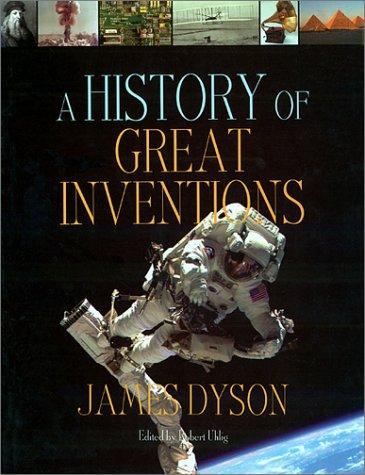
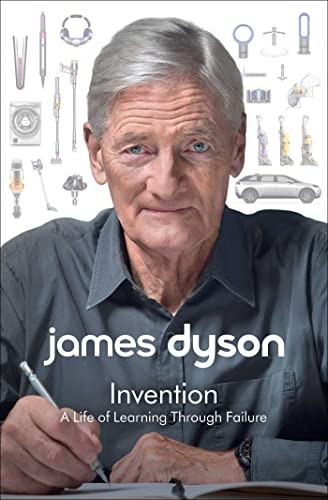
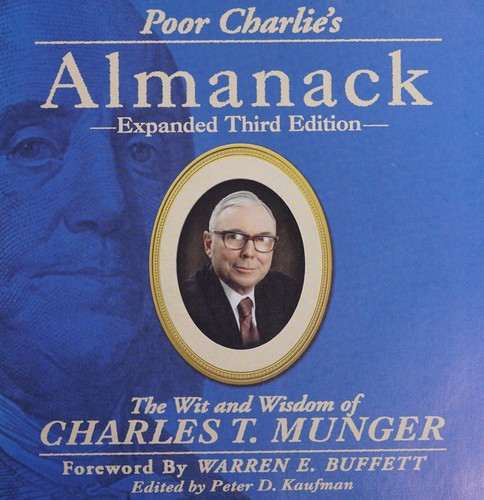



delivered
Get key takeaways from each episode delivered to your inbox.