Peter Rahal
Peter Rahal is the co-founder of RXBAR and Medici, the company behind David, HallPass and Epogee.
Summary
Peter Rahal is the co-founder of RXBAR, David Protein, and Medici Brands. After selling RXBAR for $600 million, he tried investing and quickly discovered he was miserable watching other people run companies. He explains why he returned to protein bars, why founders must deeply understand their products and how he plans to build the most important food company of the 21st century. Peter describes the intelligence, beauty and discipline behind David's brand, how growing up with dyslexia shaped his competitive drive and why he channels anger and resentment into company building. He also details his approach to hiring former founders, building a culture of truth seeking and humility and treating the organization itself as a product. Peter walks through the acquisition of his critical ingredient supplier, Epogee, the supply agreements that protected his business and what he would change about communicating the decision to other entrepreneurs. He shares why he chose Greenoaks as an investor, why speed matters more than maximizing a fundraising valuation and how he is building a decentralized organization where leaders master their products, confront problems and earn their autonomy.
Episode transcript
David Senra: Okay, I want to start with the fact that you sold your previous company for 600 million. You and your co-founder own 90% of it. You find yourself as a very young man with about a quarter billion dollars in cash. What happens next?
Peter Rahal: The natural thing is to get into investing. Outside looking in, investing's very appealing. It's like, one, you think it's an intellectual exercise. The second real thing is it gives you a great lifestyle because you're not operating, so you have no organizational responsibility. I started studying investing and getting into it.
David Senra: How did you study investing?
Peter Rahal: Figuring out asset classes, how to build a portfolio, grow capital, underwriting deals.
David Senra: Are you having conversations? You reading, like reading?
Peter Rahal: Reading, conversations, best books on it. And then where my time was spent was on where I had the best advantage, which was in consumer packaged good investing or just privates. So, early startups. And stage-agnostic, seed to growth, didn't matter, and started doing that and quickly realized that the most important skill set is charisma, or like with whale hunting, it's finding the deal that is quite obvious and then trying to get an allocation. That's really the game, and that's quite gay. Chasing men for allocations is something I didn't want to do. My previous experience was like, I'm going to sit back, I'm going to spend my time building a product, and my product's going to do the talking. Like, my product's going to do the work. Where in investing, you're taking capital, and then you're trying to allocate it into the thing that's going to grow, behind a leader that you're going to bet behind. And that's just too hands-off for me. I'm used to fighting. Being in knife fights, and it's just too passive. So, investing is very tempting because you can make a decision and not have to do anything, and it works. Like, it grows. The big problem I had with it is the feedback loop is super long. Like, in building and operating a business, you make a decision, whether it's a hire, whether it's a product decision, marketing, and you get the feedback right away. The feedback loop's, it's immediate, where in investing it's like, you can develop a thesis, develop this, underwrite this founder as really great, and then you make a decision and like, all right, five years go by. Did it work or not?
David Senra: So, you're living where when you sell Rxbar?
Peter Rahal: Chicago.
David Senra: Okay. You have this huge acquisition. You have a bunch of cash. This is when you move to Miami?
Peter Rahal: Yes.
David Senra: You moved to Miami before?
Peter Rahal: No, after.
David Senra: Okay, after. So now you have the money, and now you're like, "Okay, I'm going to... I have a bunch of money." You had this ridiculous idea. This is your own words, because when we were hanging out a few weeks ago, you said, "I had the ridiculous idea of starting a family office."
Peter Rahal: Yes.
David Senra: So you moved to Miami, and you're like, "I'm going to start a family office."
Peter Rahal: Yes.
David Senra: Okay. Explain that part.
Peter Rahal: So, I was in Chicago, and I just needed a change. I needed to change environment. Rx was my identity. I just got divorced. So I looked at the United States, and I was like, "Where's the best place to go?"
David Senra: Wait, wait, the divorce part. The divorce happened after the acquisition?
Peter Rahal: Yeah.
David Senra: Was it anything related there, where you were under a lot of stress? Like...
Peter Rahal: No. Just hubris.
David Senra: Say more about that.
Peter Rahal: I had success bias where everything I'd done has been successful, and so there's blurred lines between your personal and professional, and I just moved too fast. Thought it was going to be easy. Yeah, because then my goal is to have a family. So career success, accomplished. Next thing's family.
David Senra: And you try to speed run?
Peter Rahal: Yeah. It went too way too fast. And thinking I'm really good.
David Senra: So this is, if I remember correctly, meet, marry, divorce all in nine months?
Peter Rahal: Yeah.
David Senra: Okay.
Peter Rahal: I beat Kim Kardashian.
David Senra: Okay, so you move to Miami, "I'm going to invest," and then what I really want to get into is the fact that you are uniquely unsuited to invest. All the other founders I know that I ask about you, it's like this guy's just a relentless animal operator. Like, the idea that he could think that he could sit and be the guy behind the guy. Why do you think you made that mistake? This is very interesting to me, because you did what? You did the start, scale, sell, right?
Peter Rahal: Mm-hmm.
David Senra: Which is very like celebrated, but I talked to a bunch of founders that did that, and then they're f***ing miserable. You're one of them.
Peter Rahal: Yeah.
David Senra: So I really want to hone in on what you were feeling and why you were so miserable in this situation.
Peter Rahal: My plan was to get out of Chicago, change environments, and then I just looked at a map like, all right, where's the best place to go to reset a bit and invest, build my family office, get that right? And then, my ultimate goal was to relocate where it's in the best interest to start my next thing. So I chose Miami as a place to reset and invest, and this is before COVID. Got there, started formalizing a family office, and then I think what I underestimated with investing in different entrepreneurs, particularly in food and beverage, is that I just assumed they all had the same tenacity as me. Like, I just thought that's what you did, and I didn't really know anyone else who were founders at the time. And then I quickly realized I'm probably actually a miserable investor because I'm a handcuffed, sitting in the back seat while someone else is driving, and they don't know where they're going, and that's a torturous position to someone who knows where to go.
David Senra: So you didn't know how rare you were?
Peter Rahal: Yes.
David Senra: Okay.
Peter Rahal: As not humble as that is, but yeah.
David Senra: I was just sitting upstairs right before this, and I was with my friend Patrick, who does the "Invest Like The Best" podcast. He's one of my closest friends, and we just happened to run into Adam Foroughi from AppLovin.
Peter Rahal: Yeah.
David Senra: Which, again, there's a lot of overlap between you and Adam, and we were talking about essentially Adam's running this cash-printing machine with very few employees.
Peter Rahal: Mm.
David Senra: Actually, he hates entrepreneurs that optimize for vanity metrics, where he's like, "You should just focus on cash generation."
Peter Rahal: Yeah. Yeah.
David Senra: It's very straightforward to him. It's obvious to him.
Peter Rahal: Yeah.
David Senra: And we were talking about the different hires he had and different other founders he knows, and then, through a story that he was telling, Patrick had a great line. He goes, "Man, it's crazy. Like, in any domain, there's only two or three guys that are actually good."
Peter Rahal: Yeah, yeah.
David Senra: Just pick any category. There's there's a sea of shit and two or three, maybe four, people that are actually excellent.
Peter Rahal: Yeah. And what I just assumed that anyone who's getting into entrepreneurship they're willing to die before their company fails. They are willing to sacrifice comfort to win. They want to win, and I realize, no, that's actually not what a lot of people do or prioritize.
David Senra: When you run into other entrepreneurs like this that you made the mistake of investing in because they weren't like you, when you have conversations with them, what is their response to your extreme approach?
Peter Rahal: If I'm the one giving criticism to the company, that's a problem. Like, the CEO should be the most critical. I shouldn't be like, "Hey, man, the car's on fire." That relationship, if I'm the one spotting out problems or saying, "Go faster," or saying, that's usually not a good sign. And I kept falling into that pattern, and I don't want to be in the position to be like, "It's your company at the end of the day. I'm not an advisor. I'm just here to try to facilitate stuff, but..."
David Senra: What I'm really trying to get at is what is going on inside of you? What is your inner monologue? You're like, "Oh, I f***ed up?" What is actually happening?
Peter Rahal: This is frustrating. I need to get back in the game. Like, this sucks.
David Senra: How long did it take for you to figure this out?
Peter Rahal: Probably a year. Yeah, 20... age of 21.
David Senra: Okay, so then what's the next step after that? You're like, "Okay, this sucks. I don't want to be an investor. I need to be an operator.
Peter Rahal: Yeah.
David Senra: I want to be my own company. I'm way too young to be retired, by the way."
Peter Rahal: Yeah, for sure. One of the good things about investing is you're talking, you're getting through the deal flow process, you're ideating, you're talking to other movers and shakers, and that's a helpful process to be like, "All right, is that something interesting? Is that a problem I want to solve?" But basically, I had several false starts. I looked at recycling garbage. I looked at synthetic biology. I looked at other consumer packaged stuff. And I would started, and then I basically pulled out committing to stuff. And the reason is, if I go in, I'm f***ing all in, and that's a really scary thing, actually, because then my friends go away, my health goes. All this stuff happens to me, so if I...
David Senra: Hold on, we can't go on from that. Okay. Then you need to describe what all in means, see, what you just said. It's scary. My friends go away; my health goes away. So this is just the only way you can operate? Explain this to me.
Peter Rahal: Yeah, my leadership style is like, it's just all in, burn the bridges, burn the... So I can't go into something half-ass, ever. So, what I commit to is very serious. And so, all my false starts were like, I'm not moving in the direction of starting it and then just pull back. Moving in this direction of starting, pull back. The other thing that there was I needed to start a family. So, my order of during my hiatus of investing, I was like, "I need to find a wife to go start a family."
David Senra: I don't know if Miami Beach in particular is the place you should be searching for a wife.
Peter Rahal: I agree. And then I bought a place in New York and moved to New York. But in general, it was like, "All right, so if I find something and fall for it, there's a really high chance that I'm going to go all in. I won't see my friends, lose my health, and I'll be 50 and single," and that's a version of the future I didn't really want. So ultimately, I found my wife, and then all roads led back to protein bars. It required some humility of being like, "That's my schtick." Like, if I die, on my gravestone, it might say protein bar guy. And I'm comfortable with that. Because first I had some influence of Elon, oh, I need to go into, "I'm not the food guy. I'm going over there. I'm not this. I need to prove something." But then I realized I've been in the food business since I was 12. I have a deep intrinsic knowledge of it. And basically, once my non-compete was a year away, it just naturally happened of, oh. Started connecting the dots: this is what I should do.
David Senra: So wait, you're in the food business since you were 12. How old are you at this point where you're like, "I'm going to start another protein bar."
Peter Rahal: Thirty-four.
David Senra: Okay.
Peter Rahal: Yeah. So 24. Yeah, so my non-compete was October 6th '22.
David Senra: How long that getting over that dialogue, that inner monologue where it's like, oh, I need to do something more impactful, or I have to do biology or create hardware or something, and just like, "No, I'm going to actually stick to what I actually know and may be the best in the world at?"
Peter Rahal: It was three years.
David Senra: You had to convince yourself this?
Peter Rahal: Yeah. Mm-hmm.
David Senra: Wow, okay.
Peter Rahal: Yeah. And a little bit of, like... Because I always think this is both as an investor when I looked at companies, and then a philosophy for myself is the leader of the company, if they have to pick up the phone to fix the product, they're f***ed. Meaning, the leader has to be able to really deeply understand the product and be able to fix it. And then all those false starts were I was kind of dependent on something else, or I didn't have the time to learn, get the deep enough understanding of the product to make that change. And so with food, deeply, I know exactly what to do. So it just became really obvious. And got my wife and then started. What is today, David?
David Senra: When we talked the other... Why do you laugh?
Peter Rahal: Because it's just that it was a very clear process, like, all right, check your personal life before so you don't ruin your personal life again because you're going to go all in on something. And then once that's done, and then...
David Senra: It just happens, you got the family, the non-compete expires, and now you're back at this.
Peter Rahal: Yeah. Yeah.
David Senra: But maybe your ambition when you were younger, because you started Rxbar when you were, how old? Early 20s, something like that?
Peter Rahal: Twenty-four.
David Senra: Twenty-four, but now the scope of your ambition is David is not a bar company. That's the first of the products.
Peter Rahal: No.
David Senra: But how do you describe what you're working on now?
Peter Rahal: We don't want to tell people what not to eat. I think that's a lot of the food business: "Don't eat this." It's like demonization, and it's pseudoscience. We want to make your favorite foods smarter. And so it's a really quiet approach. Like, they're there. They're just more intelligent. They're more effective. They're objectively better. So we're going to do that across multiple categories. Protein bar is the wedge. I know it. That's what we use to get to scale. And once you get to scale, you can build the platform from there. You have the organization, you have the route to market, you have the R&D capabilities. So the protein bar got us our platform, and now we're proliferating into categories that just make sense for us and our technology.
David Senra: When you started David, you knew that you were not going to stay, that you wanted to build a food company, not a protein bar company.
Peter Rahal: Yeah.
David Senra: So, I'm going to just answer my question that I asked you the way you said it to me before, which I think was excellent, where you're like, "I have to be the best in the world at what I do in my category." And I was like, "Well, what's your category?" And you're like, "CPG."
Peter Rahal: Yeah.
David Senra: I go, "What does that mean?" You go, "Anything that you can buy in a store."
Peter Rahal: Yeah.
David Senra: That's the size and scope of your ambition.
Peter Rahal: Yeah, like we're competing with Nestle. I want to build the most important food company in the 21st century.
David Senra: And how big, what's the scale of some of these food companies?
Peter Rahal: Nestle is 100-plus billion in revenue. They're real global as well. Pepsi is probably right around there. Real scale.
David Senra: So a couple hundred billion dollar companies. How many different products?
Peter Rahal: Well, they have these enormous portfolio of brands.
David Senra: Yeah.
Peter Rahal: And then hundreds of brands, and then those brands are different by cultures or geographies.
David Senra: They grow by acquisition or no?
Peter Rahal: Yeah, mostly.
David Senra: Okay.
Peter Rahal: Mm-hmm.
David Senra: Are you going to do that, too?
Peter Rahal: Probably it's on the table, but our core competency is the ability to build brands. So I know how to create an identity and build a brand, so for the next four years, five years, we'll probably just create brands, but I wouldn't rule it out later on.
David Senra: Okay, so tell me what you know about building brands and identities. This could be interesting.
Peter Rahal: The analogy I think of as a brand it's simply just a human being. So a brand has a name. It has mommy and daddy. It's the founders, its parents. Those parents have DNA. This brand, this individual, has values. It has a vision where it's going. It has other traits. Its tone of voice has friends. Who do you associate with?
David Senra: Hold on. Explain that part to me. Who do you associate with?
Peter Rahal: So, who are you going to do partnerships with? Like, so David, for example, David Protein has a partnership with Huberman. That's an alignment. Like, we wouldn't do a partnership with, I don't know, Ms. Rachel. Doesn't make sense. I'm sure she's great, but just like a human, the social circle matters.
David Senra: Yeah.
Peter Rahal: And so, in creating a brand, that identity, both from tone of voice, visual, what clothes it wears, who's its friends, its values, vision, you define that clearly in that there's like a North Star to it. The most important factor in building a brand is it just takes time. So if you keep this identity, it can be dynamic in nature as it grows, but you are consistently doing that over time and with really great quality product and service. The time piece is critical, like you just have to be doing that over time. David's values are around intelligence, beauty, and discipline, and that's rooted in the story of Michelangelo's masterpiece, the sculpture of David. Those values are rooted in the symbolism of that masterpiece, and then the tool, the chisel, which is like this crude nail. But the meaning of a chisel is intelligence, discipline, and if you apply those things, you get a masterpiece, something beautiful. So that's the logic for David's brand and brand identity. So, if you have a crystal-clear identity for a brand and its product offering, and its position, the marketing actually becomes really easy. You just constantly hammer those points over and over and over again.
David Senra: I want to tell you about the presenting sponsor of this podcast, Ramp. I have been reading a lot about SpaceX lately. SpaceX is one of the most valuable businesses in the world, and one of the main themes in the history of SpaceX is constantly attacking and questioning your cost. Ramp helps many of the most innovative businesses in the world do exactly that. The median company running on Ramp cuts their expenses by 5%, and one thing SpaceX has demonstrated is that a religious dedication to controlling costs can help actually increase revenue because you can pursue opportunities you couldn't otherwise, and we see that in the Ramp data too. The median company running on Ramp also grows their revenue by 16%. So when you're running your business on Ramp, and your competitors are not, you have a massive competitive advantage that compounds over time. Ramp is the only platform designed to make your finance team faster and happier. Many of the top founders and CEOs I know run their business on Ramp. I run my business on Ramp, and you should too. Go to ramp.com to learn how they can help your business save time, save money, and grow revenue. That is ramp.com. Deel is how the best founders turn the world into their talent pool. I've been studying how history's greatest founders operate for a decade, and one thing they all have in common is they understand that recruiting and hiring the very best talent is your most important priority. A players recognize other A players, which is why top companies like Ramp, Shopify, ElevenLabs, Uber, and DoorDash all use Deel. Many of the top founders I know have personally invested in Deel after using their product, and what they discovered is that Deel is the best company in the world at building infrastructure for global hiring. Deel will help your business hire, pay, and manage any worker anywhere in the world so you can retain the best talent anywhere and spend the rest of your time focusing on what you do best, delivering value to your customers. The founder of ElevenLabs has a great description of the value Deel can give your company. He said, "We built ElevenLabs to break down language and communication barriers. With Deel enabling us to hire and support exceptional talent anywhere, we can accelerate our innovation and bring more voices, stories, and ideas to every corner of the world." Deel is trusted by over 40,000 companies and growing fast. Learn how they can help your business by going to deel.com/senra. That is deel.com/senra. How much time did you put into planning this brand identity for David?
Peter Rahal: Six months, maybe.
David Senra: Okay.
Peter Rahal: Yeah.
David Senra: So then once you have this clearly defined set of qualities for the brand, and then you're saying, "Okay, then we just extend this over decades is the plan.
Peter Rahal: Yes. Yes. You just hammer it.
David Senra: Okay.
Peter Rahal: Like, keep going.
David Senra: How did you learn the importance of maintaining the same brand identity over a long period of time?
Peter Rahal: Just studying brands. If you look at the best brands, they're all old, and so time's a factor that's really, really important, and the consistency of that. And the thing is, there's an asymmetry where those brands are super fragile. So if you f*** around on quality or something else, it's over really quickly.
David Senra: The reason I ask that is because I was obsessed with this guy named David Ogilvy, and I've read every single one of his books. He built one of the greatest advertising agencies of all time. And he would hammer exactly what you did. You sounded exactly like him.
Peter Rahal: Mm-hmm.
David Senra: If you read his autobiography or if you read "Ogilvy on Advertising," and his whole thing was just like people jump around too much. You pick one brand identity, and you do it over and over and over again for decades.
Peter Rahal: Yeah. Yeah. Yeah.
David Senra: And you came to the exact same conclusion.
Peter Rahal: Yeah.
David Senra: It's like the best brands are the best brands because they did this for decades after decades.
Peter Rahal: Mm-hmm. And it's fundamentally about the values of the brand. Like, for David, it's about intelligence, beauty, and discipline.
David Senra: Why'd you pick those three traits, though?
Peter Rahal: They're close to me. I love beauty, I love intelligence, and I love suffering and discipline to a negative point of view, almost. Protein bars are our start. So what do people come to protein bars for? They come to it for body composition. No one really eats protein bars as, like, "Oh, I'm just going to enjoy this treat." It's very, very functional. Like, "I need to transform my body, either increase muscle or decrease fat." So, the category in protein in general is very oriented around those values as well. And so, with David, one of the things I wanted was a weight-loss company or a body composition company without being one. So if you look at the great... they're not really great, but the '90s brands in weight loss, like Atkins, WeightWatchers, Jenny Craig, they're super tacky, but people went to them for body composition stuff. So, the question was like, all right, well, how do I make that more refined, really more European, like higher, better taste? And so did that. And then the other side, I don't know about... When I turned 35 and just looked around my friends, I just realized everyone I knew had some issue with weight. Like, everyone had struggled with weight loss as you get older. Everyone wanted more muscle. Everyone I've ever talked to, and whether it's an issue they're honest about or they're in the closet about it, it's like a ubiquitous problem. So idea is, how do I create a brand that really embodies that in a refined way?
David Senra: I'm going to get back to the masterpiece in a minute, so don't let me forget that part. But you said that you're almost attracted to suffering in almost an extreme, ridiculous way. What the hell does that mean?
Peter Rahal: I always choose the hard path. Like, even when I exercise, I choose the most painful exercises. When I take my son out, I refuse to take a stroller. I just always carry him. I'm just like being strong and doing hard things. And I think there's something spiritual about suffering that I find very gratifying once you get through it. And I think physical suffering is easy because you just get really hot, get really cold. It's like... But what's nice about building a company is it's like emotional suffering. It's like a lot of tough conversations. And so I think what I've learned early on is like, if you face those things, there's growth on the end of it. And so I found this relationship: the more you suffer, the stronger and the more growth you experience. And so when I see it and I feel it, I like lean into it.
David Senra: Travis Kalanick, the founder of Uber, was on this podcast, and he said something that resonated with a lot of people, and he's like, "The lifestyle of an entrepreneur is I can take more pain than this guy, and I'll prove it to you."
Peter Rahal: Yeah. Yeah.
David Senra: Do you agree with this?
Peter Rahal: Yeah. It's fun. Yeah, I love it. Pain tolerance, yeah.
David Senra: I want everything that's in your head about pain tolerance and suffering. Let's just put it out here because I think this is very interesting. Look in, look in your eyes. I don't know if we can get this on camera or not.
Peter Rahal: I don't know. I just feels good, and I don't know where it's from necessarily. I think it's rooted in competitive nature, but I think it makes you a better man. I think there's, well, there's nuance, like suffering for like no benefit is not good, but I think this is actually it. I have a lot of resentment and anger in my life, and if I do not harness that in a certain way, I become a bad person, or I start to not be happy. And so, physical exertion, exercise, company-building stuff is a way for me to channel all this spite and anger in a way that's really productive.
David Senra: What's the source of the resentment and anger in your life that you feel like you have to channel?
Peter Rahal: So, like trauma's relative, but for me, when I grew up very beautiful parents. So I don't want to sound like I suffered that much. But when I was a child, I was just labeled disabled because of my dyslexia. And I remember hearing conversations of teachers saying, "Oh, is Peter stupid?" Like, I couldn't read well. And I remember that I've overheard those conversations with my parents, and that just, I think, broke me in a way that it's like my deep intrinsic motivation to prove that wrong. And it's actually why I have been so disagreeable with any sort of authority or contrarian by nature, because my survival strategy as a child was to say... to have self-esteem really is like, "All you teachers are wrong. This whole system is broken. F*** off." So, I think deep in my personality is that proving that all wrong, and then even to survive in school, it was like, took me just like 10X the effort to get a C and D. So I think a lot of my pain tolerance came from some of that. But my resentment and anger is certainly rooted in that.
David Senra: You still feel this when you wake up today?
Peter Rahal: Yeah, yeah. No, I think it's tattooed. Psychedelics, therapy, it's tattooed in me at this point.
David Senra: You've tried to get rid of it and you can't.
Peter Rahal: Yeah.
David Senra: And so, you feel the outlet is crushing your competitors?
Peter Rahal: Yeah. Yeah, it's... Yeah, it's winning. It's like... And I'm not really proud. I'm just like, "It is what it is. I didn't really choose it," but it's like to prove that I'm not that, fundamentally. But I felt that when I was fake-working as an investor, I was deeply unhappy because I wasn't able to channel... I was like, "I'm on the sidelines. I'm not a f****** cheerleader." I'm on the sidelines, and I need to channel all this anger and this thing towards a result. And reporting on a portfolio is not doing that.
David Senra: I have a younger friend that feel like I can kind of share some of the experience I get to have with this person, and I was just like, "As a general rule, the further you get away from the person that actually has talent, the more cautious you have to be." So, it's like, the founder obviously has talent. You obviously have talent. You created something from nothing, and you've done it over and over again, and now building... But you have to be careful of these agents. You have to be careful of these bankers.
Peter Rahal: Yeah.
David Senra: You have to be careful of these investors. The further you get away from the person with talent, they just are incentivized to kind of persuade, cajole, act, like, in many cases, against your interests.
Peter Rahal: Mm-hmm. Yeah.
David Senra: And I was like, "Just stay close to the people who actually have talent." And if you're... You don't need many friends in life. You can have five.
Peter Rahal: No. Yeah.
David Senra: And those are the kind of friend groups that you should have, where you have all these other fakers out here who are playing politics. Like, you can get ahead that way, which is completely different than how an entrepreneur thinks.
Peter Rahal: Yeah. Yeah, I agree with that. Yeah.
David Senra: There's another thing that you were saying, because I'm not going to leave this alone. I want to hear more about your resentment and this attraction that you have to pain. So, the founder of the Four Seasons, this guy named Isadore Sharp, he has this great line where he started... He's kind of like, embarrassingly ambitious, and I mean that in a great way, where he's like, "I'm going to build the world's greatest high-end luxury hotel chain." He didn't know anything about... He had never built a single hotel before he had that goal. And so, his autobiography is excellent, and in it he says, one of my favorite maxims in the history of entrepreneurship, he says that, "Excellence is the capacity to take pain."
Peter Rahal: Yeah.
David Senra: And this same thing: He had this very complex relationship with his father. He had a lot of people doubting him. This idea, like what you just said to me, makes perfect sense because it's just, again, these biographies over and over again, a lot of people who have come on the show.
Peter Rahal: Mm.
David Senra: I just mentioned Adam Foroughi. Like, one thing that he drove himself was just like, "I tried to raise money. I was willing to sell 25% of my company for a million dollars."
Peter Rahal: Mm-hmm. Correct.
David Senra: Right? This is a company that's going to wind up being worth 100-200 billion dollars.
Peter Rahal: Yeah.
David Senra: They turned me down. These VCs turned me down, and then they funded some of my competitors, so we made it a company principle to put those competitors out of business.
Peter Rahal: Okay.
David Senra: So, when I hear you, I hear this guy, Josh Wolfe, has this great line where he says, "Chips on shoulders puts chips in pockets."
Peter Rahal: Yeah, yeah.
David Senra: It's like using that pain that you had when you were younger and channeling it to drive an achievement.
Peter Rahal: Yeah. Yeah. Yeah. And I think the key is that if you have that, and if you don't channel it and focus it, I think it's destructive. So, for me, it all gets channeled through the art, through the company-building process, and then it's productive, because it can be destructive if you don't channel it.
David Senra: Okay, so how are you channeling it into what you're building now, then?
Peter Rahal: The company's output is really impressive, just a lot of hours, butts in chairs in the office, just dedication.
David Senra: What do you think is impressive about the output that you're doing right now? What does that mean?
Peter Rahal: We're only two years old, and it feels like five years. So, our relationship with time is really bizarre, but in two years, I mean, we're running over 400 million this year. We'll do 300 million this year. We're in the frozen category. We're obviously in protein bars. We have an RTD. We've launched a confection with three different formats. We're launching another brand in November. You just don't... Not in my field; you don't see that sort of output, and it keeps getting better. Like, all our products keep getting better. But I mean, we're the fastest-growing food company, I think, no, I know, in history. So, it's really hard to scale it, and the pace at which we're doing it, I think this would normally take them 10 years, and we've done it in two.
David Senra: Explain to me why it's so hard to scale.
Peter Rahal: Why it's hard to scale is because it's inventory. So, you need to go buy the raw materials, convert them into a finished product, and some of the raw materials take a long time. And for example, the dairy market was super tight. So, if you don't... Like, growing 300%, 400% a year is really, really, or even closer, every six months, is really demanding on the supply chain. To take Travis, like, this is all atoms. We're not a digital business at all.
David Senra: Yeah.
Peter Rahal: So yeah, the inventory part is really, really challenging. So, matching supply and demand has just been very difficult and...
David Senra: So, you've had times in the company where you ran out of supply, correct?
Peter Rahal: Oh, constantly, yeah.
David Senra: Is this when you started? I saw, like, you know, Rob, and everybody's been telling me about David Bar, and then I saw an ad, and you were selling cod or something.
Peter Rahal: Yeah, yeah.
David Senra: Is that as a result of the fact that you ran out of supply? What happened there?
Peter Rahal: The story of cod was that we were creating our website, and we were doing a comparison table, and the one metric we think is really important is how many of your calories are coming from protein. And on this chart, we were number one, and we were number one on everything. And for me, my investor influence, anything where I see a chart where it's all number one, I'm like, "It's bullshit." So, we were like, "All right. Well, we need to find something that's number one. What has a better protein-to-calorie ratio than our gold product?" And the only thing we found was boiled cod. And so, in our comparison chart, we put boiled cod number one and David number two. And we just left it there as, like, a dorky sort of comparison. And why it worked is that the juxtaposition between our bar and a cod is that it signals convenience, it signals value, and cod's pretty unappetizing. And then we're halfway through our first year, and I was like, "Yeah, it's like Déjà vu for me." I'm like, "This is super boring." Like, another flavor, another... I'm like, "We need to do something bold." And so, we're like, "Let's actually sell cod." And not like a stunt, like actually seriously sell fish. And so, we did this foiled-cod campaign, and everyone's like... And it was funny because it was like...
David Senra: You like pain. Let me sell.
Peter Rahal: Yeah. It's like, got into the frozen business, and it's like back to our brand values. Like, it was actually a very intelligent thing because it had... It centered the conversation around the protein-to-calorie ratio. But it did it in a way that wasn't sort of like, "Hey, approved," like, right on the nose. It was like a little bit of a riddle. And it's like 55 dollars frozen cod online; like, no one really wants that. So, we didn't have product-market fit, but it functioned as a really great communication tool.
David Senra: So, creating a product for marketing benefits?
Peter Rahal: Yeah, we call it product as market. I'm not giving up on it. Like, we're going to keep going. We're going to keep going on cod until we get product-market fit. But it will...
David Senra: I don't think you will. I don't think you will, man.
Peter Rahal: I know, it's funny because if you look at our website, it's like, oh, protein bars, bronze and gold, pints, frozen ice cream, and then there's like RTDs, and there's like f****** fish. And it's weird, but the whole food space is so f****** boring, to be honest. It's like, they all say the same shit. They all do the same things. And so, being the second time, I was like, "We've got to have some fun with it."
David Senra: Okay, so that was not in response to supply issues because there was no demand for this frozen cod so far.
Peter Rahal: Yeah. Yeah, no. It happened to work at the same time we were out of stock on some things, but no, it was independent.
David Senra: Okay. So, let's go back to when I interrupted you because you started talking about pain. You said, "Talk about building a masterpiece." What were you going to say there?
Peter Rahal: Oh, it requires tons of discipline and intelligence, and it's done over time. And that's really what the brand David is about, is like finish your masterpiece and everyone tap into everyone's inner excellence.
David Senra: But how do you apply that to building your company, though?
Peter Rahal: Well, I think I'll start with: What is a company? So, our strategy is that there are two fundamental things in a company. People, it's all about people, as cliché as it is. And I think about the organization as a product, so my focus is all about that. And then the second piece is product and mastery of the product. And when I think of product, I think of brand and product as the same thing. Like, the product is just the raw thing, and then the brand is like what it wears, the exterior piece. But if you try to look at the organization as a product, a company's just a group of people aligned towards a mission. So, if that's the most important thing, like, what actions does a company take to make sure that it's done? So, for us, what I think of mastery is that we have four processes in the company that ensure our organization is done right and the culture is lived. So, if people are everything, then who you select is the most important thing. Who you select for the organization. How do you train and onboard them? Third, how do you select the ones to get promoted and rewarded? And then how do you terminate the ones that shouldn't be there? So, those four processes are really critical to building the organization and scaling it. And so, we spend a lot of our time refining our hiring process. Training and onboarding are mission-critical, and then promotion as well, rewarding the right behaviors, and then firing. And then those are all organized around our value system, which is the best way to align a group of people to make sure the right behaviors match what we want.
David Senra: What are the behaviors that you want?
Peter Rahal: You want truth seekers. People have the courage to seek truth. That's mission-critical. You don't want biases in place. Foundational would be humility, which I define as the freedom from pride and arrogance. So, humility is really foundational, and it shows up intellectually as, "I don't know what I'm doing. I need help." Like, I don't want to cover your a** culture where people are like, "I have this data, therefore my decision's good." Like, that's not really productive.
David Senra: Say more about that.
Peter Rahal: You'll get people from big corporate America to come in, and then they will generate a bunch of data, surveys, or whatever to prove their experiment or cover their a** if the experiment goes wrong.
David Senra: Just like fake work.
Peter Rahal: It's performative in a way, like, "I'm just doing this to cover my a**," versus focusing on the experiment and not worrying about covering your a**. Entrepreneurship is a very important value of the company as well, and that's so anti. Like, any performative activity and fear of failure is the opposite of entrepreneurship. You just can't have that as a company scales. And so, you get a lot of people coming from different corporate environments who have that, like, just to protect their job.
David Senra: Are you able to recruit from other food companies? Because you're so different. Most of these companies haven't been founder-led in, I don't know, half a century, if not longer.
Peter Rahal: Yeah. We can, and we do. There's a lot of good experience they have. You just sort of have to baptize them when they come in. So, that's where the onboarding process is really critical.
David Senra: You baptize them?
Peter Rahal: Yeah.
David Senra: What does that mean?
Peter Rahal: You just have to teach them new beliefs, new values. If you just sort of throw them in, they're just going to take what they know and apply it. And so, you really want to have them assimilate into the culture in a way. And so, a very thoughtful onboarding process where you learn the values of the company. You learn entrepreneurship. You know, we pack boxes. You learn humility. You learn all these things. It's really critical.
David Senra: Are the most talented people in your company the ones with no experience, though?
Peter Rahal: The most talented people in our company are former founders.
David Senra: Say more about this.
Peter Rahal: Convincing a founder to not do their thing to join a greater company is a really strong signal of the opportunity we have ahead. Basically, I would position it as, like, this is a platform for you to go do your thing. You could do your thing with amazing technology; you can do your thing with resources, and you don't have to deal with the bullshit of raising money and all the bureaucracy that comes with the different stakeholders. And I think you see this in AI, where a lot of founder talent goes to those platforms. Convincing them to join a founder-led company is, without bureaucracy, and for them to be able to fulfill their vision.
David Senra: Did you specifically target founders?
Peter Rahal: Yeah, for sure. Because they have agency, they have courage, they have humility. Yeah. And they're not ruined by corporate America or school. School ruins you, too. You have to follow procedures. You're not thinking outside the box. You're following a playbook. Like, there's no playbook in entrepreneurship. You just have to think from first principles, understand the fundamentals, and f****** just go.
David Senra: Yeah, we just had Luca Ferrari on this, and you know, he started this crazy company called Bending Spoons. He's doing it from Milan, not exactly like a startup hub, and he's talking about how being isolated was super valuable to him because he can't even copy the startup mantras because he doesn't know them. He's immune to them.
Peter Rahal: Yeah. Yeah.
David Senra: And his point was just like he prefers young graduates or even people who didn't graduate to over-experienced.
Peter Rahal: Yeah.
David Senra: He's just like, "I don't want your bad experience." Like, I know what we're doing.
Peter Rahal: Yeah.
David Senra: Let's just take high-agency, young, smart people who want it really badly, and I think he said he got something like 800,000 applications last year for 350 positions, because he's in markets where there are a lot of smart people everywhere. There are no great jobs for them. Their economy's terrible.
Peter Rahal: Yeah.
David Senra: And he's just like, "I'm just optimizing for this, and then I'll come in and indoctrinate them into how we're running the business," which is completely different than school or a company that's like a mediocre company.
Peter Rahal: Yeah. Yeah, because the thing with experience is really valuable, but there's a consequence to it, where, you'll naturally reason through analogy or reason through your experience, which can be the right call, but you're not going to ask the dumb question or naturally think through first principles because you've already done it, so you're just going to move faster through leaning on your experience. And for me, personally, I started a company with no experience, really. I fundamentally don't think it's that important if you have good reasoning skills and have the right ability to learn. So, the best is some inexperience, I find, and then some damage, some chip on the shoulder. Like, there are individuals at our company that you can't compete with. They're not giving up. They have something to prove, and those are the most powerful people to get; you want to organize around them.
David Senra: Tell me more about them.
Peter Rahal: Yeah, they're just kind of like... Like, it's something f***** up in their childhood. You know what I mean? Like, there's one kid on our team; I can't compete. I can't. He's going to die before he fails. And he didn't have a comfortable life, and it's like a really, really... Like, this is different for him. So, you want many of those people, but too many probably break things. So, in general, you want a balance of those crazy chip-on-the-shoulder, you know, some people to balance out the team who are very rational, pragmatic and more conservative. Like, you want a good team design, but the people driving the company are usually those maniacs who have a chip on their shoulder, high agency, and are more entrepreneurial.
David Senra: Was this person happened to be a former founder?
Peter Rahal: Yeah. Mm-hmm.
David Senra: How long did it take you to recruit them?
Peter Rahal: Well, when we bought Epogee, he was a victim of us acquiring that...
David Senra: A victim?
Peter Rahal: Yeah, because we bought up all the supply. So, he was a customer of the Epogee business, so we recruited him to join us and do it here.
David Senra: Victim. I love that you just said that. Okay. So, let's get into this because this is one of the... Again, I've been hearing stories about you for a long time, and then this is the story that other founders repeat so much; that's very Rockefeller-esque. Explain what that is. What is, E...? What is it?
Peter Rahal: Epogee.
David Senra: Okay.
Peter Rahal: So in, March of 20...
David Senra: Don't go to the acquisition yet. Talk about the fact what this thing does, why it was important to your business.
Peter Rahal: Okay. Cool.
David Senra: And then we're going to go to the fact that you victimized everybody else.
Peter Rahal: Epogee makes EPG, Esterified Propoxylated Glycerol. Basically, it's a modified triglyceride. So, olive oil is a triglyceride. So, a triglyceride has three fatty acids attached to a cholesterol backbone. Your body can't digest this unless lipase comes and clips these fatty acids off. What the company did is they figured if they can lock these fatty acids in, lipase can't break it down. And so, what that means is you can have the taste and mouthfeel of fat without the caloric and metabolic impact. Why that's a huge innovation is because most of the calories in food are coming from fat. They're twice as much as protein and carbohydrate. This technology was naturally misunderstood, like most food technology, and so it was sitting there, and it's really amazing. You can have your cake and not have the caloric consequences. So, think of it as high-intensity sweeteners like stevia, monk fruit, that sort of level of innovation. So anyway, we were using it for David, and then we were buying; it was like 90% of the company's sales, and then... Like, all paths led to litigation...
David Senra: Hold on. So, this is a patented technology?
Peter Rahal: Yes. Yes.
David Senra: Correct? So, you had one source where you could buy it from.
Peter Rahal: Yes.
David Senra: You just said you were 90% of this company's overall sales.
Peter Rahal: Yep.
David Senra: But there are a handful of other companies that saw that same opportunity and want to use this into their product.
Peter Rahal: Yeah.
David Senra: Okay.
Peter Rahal: Yeah. So, we started, and the company was struggling, like, a bunch of...
David Senra: Their company, not yours?
Peter Rahal: Yeah, Epogee. Yeah.
David Senra: Yeah.
Peter Rahal: It was like a bunch of cats and dogs trying to make it work, and it's hard to work with. It requires good product development skills. But we were 90% of their available supply, and...
David Senra: And you'd be in a bad position if, for whatever reason, that company went under or they decided to cut you off.
Peter Rahal: We'd be dead.
David Senra: Okay.
Peter Rahal: And then eventually, we became 150% of their supply, meaning they couldn't supply our needs. So anyway, as soon as I started the company and we were using the ingredient, my whole, like, just like... This is a nasty dependency. And on top of it, it was run by older gentlemen, mostly lawyers. So, you know how that is. Like, lawyers running companies is not good. I'm sitting there like, "All right, either they're going to kill us, or this is going to end in litigation, extortion, or we're going to buy them." But all my attention was on making sure we either buy them or something. And then in February, basically six months into the company, they came to us like, "Hey, you guys are killing it. How about you take it over?" And of course I'm like, "Let me think about it for a second." So, negotiated, and it was an obvious deal, like, these food companies need to be vertically integrated. Like, if you're out there making a food ingredient and you're trying to sell to a big food company, it's hell. Because the food company will be like, "Well, you don't have enough supply to meet our demand." And then you're like, "Well, I don't have enough demand to generate supply." And then it's too expensive, and on top of it you're going to be like, "Well, I need redundancy. I need two suppliers." "Well, I have DIP; I can't do that." So, vertical integration makes the most sense, so we mer...
David Senra: And they could not vertically integrate?
Peter Rahal: They didn't have a route to market. Yeah.
David Senra: So, they essentially just bought this patent as a way to make money? This is not actually a real company.
Peter Rahal: Yes. Well, they developed it, yeah.
David Senra: Okay.
Peter Rahal: They developed the process and invested in it.
David Senra: Okay.
Peter Rahal: And the founder is amazing. It just required so much cash that he eventually got diluted, and the lawyers took over. And it just made sense for both parties to merge and acquire. And so, we did half a deal where we bought half the company, or we bought the whole company, but half equity, half cash. And then we got in a situation where it was like, all right, David's growing well above our forecast, so we are 150% of their supply, and at the end of the day, there are all these customers that had no supply agreement. Honestly, their businesses weren't going anywhere, and so if you didn't have a supply agreement, you're just not going to get supply. And by the way, me with David, the first thing I did when we started was negotiate a supply agreement with them. Prior to the acquisition, we had a supply agreement that was good around change of control, that was most-favored-nation on price, most-favored-nation on inventory, so any inventory that was available was ours.
David Senra: How did you know to do that?
Peter Rahal: When you have a dependency like that, you just have to make sure you're covered. Even if the deal didn't go through, we'd have all the supply anyway. Like, we're the elephant in the room with the customer. If you didn't have a supply agreement, you're out of luck.
David Senra: So, the way it was reported or talked about was that there was this very important, patentable ingredient he needed. He was using most of it. There were other companies that also used it that he was technically competing with. He buys the company and shuts off their supply.
Peter Rahal: Yeah.
David Senra: But I didn't hear the second half of the story, and then I also recruited from the people that I had just conquered.
Peter Rahal: Yeah. Yeah.
David Senra: You had a lawsuit or something over this, right?
Peter Rahal: We got a antitrust claim and lawsuit, yeah.
David Senra: Is that still ongoing?
Peter Rahal: It was dismissed three times. Because for that lawsuit to function, or for them to actually have any merit, it would mean it would be a landmark case in intellectual property. The big lesson, which I think you've had, Lulu on, is that if I had Lulu in my pocket, we would've managed the comms differently. Like, we just, like... One, we let Epogee manage the comms a little bit, and we just did a terrible job communicating.
David Senra: Did you communicate at all?
Peter Rahal: There was a notice sent out of the acquisition, and that if you don't have a supply agreement, there will be no supply. But, like that comms, I could've done better. Like, I could've done it with more compassion and called the entrepreneurs, or could've done it differently.
David Senra: In what way, though? Compassion doesn't seem to be one of your personal traits.
Peter Rahal: I think it is. I think compassion's important.
David Senra: Do you have it?
Peter Rahal: Yeah, yeah, yeah. Yeah. To be a good leader...
David Senra: Show it to me. Where are you hiding it?
Peter Rahal: I just don't have sympathy for stupidity. I don't have sympathy for incompetence, really. Like, it was so obvious that if you're going to get into it, if you're going to use an ingredient that has a single source, you'd better make sure you have a supply agreement. It's like fundamental.
David Senra: This goes back to something that was like second nature to you, that you don't even feel special. Like, remember at the beginning of the conversation you were like, "Okay, well yeah, I've got all this money, I'm going to chill, I'm going to find a wife, have some babies, and then I'll invest on the side." Obviously, you're an entrepreneur, so it's like life and death for you. You'll take it very seriously. You start cutting checks to this company; it's like, "What is this guy doing?"
Peter Rahal: Yeah. Yeah.
David Senra: You didn't know how rare you were.
Peter Rahal: Yeah, no, totally. Yeah.
David Senra: So, same situation here, because how many other companies are involved, were buying the same ingredient?
Peter Rahal: Yeah, a little bit. Yeah Three, four.
David Senra: Okay, so this is like...
Peter Rahal: Yeah. And their response was like, "Well, I didn't know that was an option." It's like, what the f***? What are you doing all day? Like, honestly.
David Senra: I found one of my all-time favorite quotes when I was reading the book "Zero to One." The quote says, "The single most powerful pattern I have noticed is that successful people find value in unexpected places, and they do this by thinking about business from first principles instead of formulas." That is exactly what AppLovin has done with their advertising platform. AppLovin connects you with over a billion potential new customers in mobile games. AppLovin allows you to capture undivided attention. AppLovin ads are full-screen videos that are watched for an average of 35 seconds. That is retention that blows other ad platforms out of the water, and you can launch on AppLovin in minutes. You set the goal, and AppLovin achieves it. No complex setup, no expertise needed. And AppLovin scales quickly. They can put your ads in front of over a billion potential customers. Other businesses have seen immediate results, scaled to hundreds of thousands of dollars of spend per day, and increased their revenue by millions. So, you want to get started quickly before all of your competitors are on AppLovin, and you can do that by going to applovin.com. That's applovin.com. Is this why you had to raise money? Because...
Peter Rahal: Yeah, yeah.
David Senra: So, your first company, you did a... Rxbar was like a friends-and-family loan? What was the...
Peter Rahal: My dad and my partner's mom guaranteed a line of credit.
David Senra: A line of credit? But no typical venture capital?
Peter Rahal: Yeah. No.
David Senra: Okay. What did you start David with? Did you raise money right away? Did you put your own money in? What'd you do?
Peter Rahal: Yeah, I put 2 million of my own in as whatever precedes, and then that was enough to get us to launch, and then, after launch, we raised eight for working capital just to survive.
David Senra: Why not just put up the eight yourself since you already have it in your pocket?
Peter Rahal: Yeah, because I wanted to bring in some people who have been very good to me. So, Valor Equity Partners, Antonio and John have just been really supportive, and I like how they... Like, their name's Valor. Like, they're pretty intense.
David Senra: Outside of Valor, it wasn't typical investors?
Peter Rahal: No. No.
David Senra: Okay, so friends and things like that.
Peter Rahal: Yeah, some small friends.
David Senra: Yeah, yeah.
Peter Rahal: And then I was like, "We're done." Right? Like, we don't need...
David Senra: Why was that your initial reaction?
Peter Rahal: Because I don't want to spend time talking to investors or fundraising. I think in consumer packaged goods, the P&L should work pretty quickly. Unit economics should make sense, so you should be really capital efficient. You should not be raising a lot of money, unless you're going to acquire a company or do what we're doing. So, that wasn't on the table in the beginning, so I'm just focused on the business, not thinking about raising more money. So, I thought that was like, "That's it. That's the only capital in," and then we had product-market fit like crazy, and it got bigger, and then...
David Senra: Yeah, I need to raise money to find out how to sell fish online.
Peter Rahal: Yeah, exactly. Well, that was funny, like... So, we eventually raised a round to finance the acquisition, and it turned out we did need more money on the balance sheet.
David Senra: Okay, hold on. Before we get there, you raised how much money to do the acquisition?
Peter Rahal: We raised 85.
David Senra: And who'd you raise it from?
Peter Rahal: Greenoaks and Valor.
David Senra: Okay. We need to talk about Neil Mehta. I'm friends with Neil. I talk to him on the phone all the time.
Peter Rahal: Yeah.
David Senra: I talked to him about you, I don't know, like, two weeks ago, and he's got hilarious stories about you that I'm going to bring up on the podcast, too. But you need to explain, like, why you chose him.
Peter Rahal: Right, yeah.
David Senra: Because you said, "I'm not going to put any more money in." You're a second-time founder. You made a boatload of money before. You have all these other investors chasing you. You don't even like talking to them. You were kind of like, this is my own characterization, kind of like, not even rude. You're just like, "Leave me the f*** alone. I'm building my company. Go away."
Peter Rahal: Yeah.
David Senra: But Neil and Greenoaks was chasing you, right?
Peter Rahal: Yeah.
David Senra: So, explain how you wind up selecting Neil and Greenoaks.
Peter Rahal: The investor class believes they're very, very high-status, and they always reach out with an entitlement to take my time. And so I've always viewed it as, I'm not giving you my time. I will be respectful, but I don't just take investor calls. I just don't do it. I think it's a bad use of time. And plus, I have my own capital, so I was like, "I'll finance it. F*** it." That's a great position to be in, by the way, and I love it, right? I don't need anything. So anyway, my friend Chad Byers was like, "Hey, my buddy Neil wants to reach out to you." I'm like, "For what?" And he's like, "Oh, he's an investor." And I'm like, "Cool. I'm not taking investor calls right now, with all due respect." So I passed, and then two weeks later, Chad says, "Hey, I think you should take their time." I'm like, "All right. For you, Chad, I'll do that." And then I got on the phone, and I was like, I'm just like really focused. So I'm like, "Hey, listen, this is not a tech company. The math should work really quickly. We should have profitable sales. That's how we're going to grow, is profitable sales and then line of credit." And they're like, "Great. Well, if there's any opportunity that comes along, let us know." I'm like, "Great, will do." So then time goes on, we're just heads down, and then I start getting messages from former Rxbar employees where a firm was soliciting them, offering to pay them for reviewing me. And it's not just one, it's like 20 people I haven't talked to in like five years, being like, "Hey, Peter, should I take the call?" And I'm like, "Yeah, take the call."
David Senra: So basically, what they're saying is, "We'll pay you a thousand dollars if you get on the phone and tell us about your experience...
Peter Rahal: Yes. With Peter. What kind of leader was he?
David Senra: Okay.
Peter Rahal: And I'm like, "Yeah, take their money." I had no idea. And I thought... I was going through a litigation, so I was like, "Oh, they're just like trying to f***ing find dirt." So I had no idea it was an investor. And then I'm like, all right. And then the Epogee deal happens, meaning the chairman of Epogee comes to me, and we say, "Hey, let's figure out a deal." So then I reach back out to Neil. I'm like, "Hey, this is happening. You guys want to take a look?" And I, of course, reach out to Valor, be like, "Hey, this is happening. We're going to need probably some money for this." Well, this is why I respect Greenoaks so much, is even me kind of being rude to them, they had put resources to due diligence on me, and in the best way possible, which was diligence doing my leadership, which is actually I think the most fundamental thing for this investment to work. It's like you got to make sure, is Peter the right type of leader? They'd already done that when there was no deal on the table.
David Senra: Not only there was no deal on the table, you already told them there won't be a deal.
Peter Rahal: When I found out it was them, I was like, "Oh, wow. These guys are like... They're good." And I didn't do an auction. I want the right people on the cap table. So it was... And Greenoaks won just out of my respect for their approach. Kept it with just friends I know. And then Valor had a conflict of interest because they're in the deal, so they couldn't do M&A because the deal was to finance the other company. So, Greenoaks led it, and, yeah, they're amazing. I'm very lucky that Chad connected us.
David Senra: So before I tell you the story that he told me about you, you just said, "I didn't do an auction." Why is that important to not do an auction when you're fundraising?
Peter Rahal: The reason why I didn't want to do an auction is, one, we didn't need a lot of money. So, it's very important. If we needed a lot of money, I think it's different. But we only needed like one or two players. We were growing like crazy, and I did not want to consume the company's resources in a way that would harm our operating our business. So, I'm very sensitive to the resources an auction would take.
David Senra: What are the resources an auction would take?
Peter Rahal: Well, you got to run tons of management meetings. You have to constantly answer diligence questions. It's a lot of time.
David Senra: Your whole thing keeps going back to like you're intolerant of wasting any time.
Peter Rahal: Yeah.
David Senra: You've said this thing in half a dozen ways, in subtle ways, since we've had this conversation.
Peter Rahal: Yeah.
David Senra: You're obsessed with time.
Peter Rahal: Yeah, so if you think of it as the analogy is like aerodynamic. I want to be super aerodynamic through things, and then my goal is, also being on the other side as an investor, I want to maximize value, but not really. If I wanted to maximize value, I would run an auction, and I wouldn't care. But I don't really want... I want to make sure my investors make money, and they're good with the underwriting. So, you want to walk to the line where it's like rich but not too rich, right? You can actually, if I'm on the other side, I can underwrite it pretty easily. I want to make sure all my stakeholders make money, and that's my approach. So, the con of that is maybe we could've gotten an extra hundred million valuation. I don't know. But I don't really care. I want to make sure that everyone feels good. And then I...
David Senra: What do you not really care? And I agree with this, I want you to get your thinking out in the open.
Peter Rahal: It's like what's like 2%... It doesn't matter. It just doesn't matter. And like I care about money, but I don't really care about that type of money. I care about how the people on the team feel and are excited and aligned. And I've seen on the other side of the table, and founders just prioritize enterprise value that early, and it's just f***ing gross.
David Senra: Why is it gross?
Peter Rahal: Because it's not about that. In this stage, it's about the right people, and it's focusing on the mission. It's not about maximizing enterprise value at this stage.
David Senra: And if you're good, you're going to wind up with the money anyways. It's just going to take... It's over time.
Peter Rahal: Yeah, and like we got a good valuation.
David Senra: Yeah.
Peter Rahal: We got fair and... But I don't want an investor feeling like, "Fine, we'll do it, but I disagree."
David Senra: So you said if you're on the other side, you could underwrite it. So essentially, you want to do a deal where if you were Neil, you would take the... It's a good deal.
Peter Rahal: Yeah.
David Senra: You should make that investment.
Peter Rahal: Yeah. Exactly. And that's how I underwrite it. Because I'm operating as the CEO, and then I'm operating as an investor too, because I'm participating in all this stuff as well. Which is a conflict, but I'm generally trying to bifurcate, all right, Peter's the CEO, but he's also an investor.
David Senra: You mean you're putting more of your own personal money into the company?
Peter Rahal: Yeah, yeah. Mm-hmm.
David Senra: Why would that be a conflict?
Peter Rahal: Well, because I could lower the valuation for me, like...
David Senra: Okay.
Peter Rahal: Yeah.
David Senra: You would self-serve.
Peter Rahal: Yes.
David Senra: You would try to do what's best for the company, not just best...
Peter Rahal: Yeah.
David Senra: I read Michael Bloomberg's autobiography for the first time like five years ago, and then I knew he has one of the most profitable private companies in the world.
Peter Rahal: Yeah.
David Senra: And I've heard crazy rumors that we don't even have to get into, which is way richer than even... Everybody knows he's really rich, but I heard he's orders of magnitude richer than it's been reported.
Peter Rahal: Yeah.
David Senra: And he raised... I think it was Merrill Lynch, if I remember correctly, 30 million for 30% of the company. Then he winds up buying that first 10% slug back from them like 10 years later. And whatever, it was like 200 million he paid for that, right? And then he bought the other 20%, I think, in 2008, for like 4.5 billion.
Peter Rahal: Mm-hmm.
David Senra: So, if you look at it, one of the best investments he ever made was buying back his shares, right? And essentially now owning all of his company. I think he owns all of it or like 90%, something like that. And Merrill Lynch's point was like, "Well, we paid 30 million in like 1979, and by 2008 we made 4.7 billion on it," or whatever the case is.
Peter Rahal: Mm.
David Senra: Could you see an example, a future? Because I do think you are kind of obsessed with control. Anybody that's obsessed with quality and control and everything else, tends to... I could see you wanting to buy back the shares at one point.
Peter Rahal: If the opportunity presented itself, for sure. The governance is set up in a way where I have that, so as long as that's there... But yeah, I don't...
David Senra: Governance is set up that you have control.
Peter Rahal: Yeah.
David Senra: Yeah.
Peter Rahal: Yeah. And I'm good with power, so I don't want to abuse it.
David Senra: Are you going to continue to raise money?
Peter Rahal: I mean, if we have a need, but right now we don't.
David Senra: But in every round you put in more money of your own? Is that what you said?
Peter Rahal: I should, yeah.
David Senra: Okay.
Peter Rahal: Oh, yeah.
David Senra: Okay.
Peter Rahal: Got to sweat a little. Yeah, you got to... What the f*** else am I going to do?
David Senra: All right, so I get on the phone with Neil, and he was like, "Peter's like one of my favorite kind of founders." Like the founders that he likes to back, which is you... I kind of hinted at it earlier, which is like nothing's... That you wake up, and it's just like you don't focus on what's good. It's like everything's just not good enough.
Peter Rahal: Yeah.
David Senra: And all you see are the kinds of flaws in your business, and you kind of attack those flaws, trying to make your business stronger over time. Again, very common in the history of entrepreneurship. So, I guess he came to visit you, and it was him and somebody else, and it was you and a bunch of people that worked with you, and you were doing taste tests or whatever of maybe new products or existing products, and "What do you guys think?" They're like, "This is awesome." And you go, "Wrong. This is shit." And then he said, "Not only did he say it was wrong, that everything was shit, and then he listed all the deficiencies and the things that he wanted to fix."
Peter Rahal: Yeah. Yeah. Running a business is like a river. As long as it's flowing, great. But if there's something blocking that flow, you need to f***ing fix it. If something's in the way, I ruminate on it to the point where I can't sleep, that I have to fix it so I can sleep. I ruminate on the problems. So they just nag at me. This is actually a problem I have. A flaw of my leadership style is I don't acknowledge the wins or success. I'm only preoccupied about what's wrong. So, I'm working on that. But I actually, I would source that to people internally to like, "Hey, make sure we're saying..." Like, our birthday is tomorrow. I f***ing hate birthdays, but our birthday's tomorrow, so I'm like, "Please do something so we can acknowledge our birthday." I was like, "I don't do that." So, I outsource it a bit internally, but yeah, it's... Because if you just fix that... I don't know, the approach makes sense.
David Senra: Yeah, it's almost like what Elon does.
Peter Rahal: Yeah.
David Senra: So, we just had Zach Dell on the podcast, and Antonio's on his board. And he says the first... I think it's still to this day the first two years, every conversation that Zach Dell had with Antonio, is it Gracias?
Peter Rahal: Yeah.
David Senra: Antonio Gracias is, "Hey, Zach, how's it going?" "Good." "What's your bottleneck?
Peter Rahal: Yeah, yeah.
David Senra: He wouldn't... He refused to talk about anything.
Peter Rahal: Yeah, yeah.
David Senra: And he's like, "What is the bottleneck? What in the way of our critical path? And then we're just going to talk about this. The entire conversation is this," and then the next thing that is resolved, "Okay, what's the next bottleneck?"
Peter Rahal: Yeah. Yeah, yeah. Yeah.
David Senra: And it's just over and over and over again. Just this relentless focus on the bottleneck.
Peter Rahal: Yeah. Yeah, I think it's like, all right, my job is to scan the holistic picture of the business and react to the problems and then go fix them and then get the f*** out of the way. Just constant confronting the problems.
David Senra: I think almost all the elite entrepreneurs have this exact same mentality, where it's like you can even go to Buffett and Munger would talk about this when they were talking about people operating all the subsidiaries of Berkshire. It's just like, "Just tell us the bad news, because the good news is clear."
Peter Rahal: Yeah, exactly. That's what I'm saying, it's like the river running. I don't... It's running.
David Senra: Good news takes care of itself. Just tell me the bad news.
Peter Rahal: Exactly.
David Senra: Tony Xu from DoorDash, I want to get him back on the show as soon as possible, because I can't explain why, but you talk to him, I think he's like 41, 42, and you just sit there, and if you actually look, it's not... He's like, "It's not just a delivery business." That's not what this guy's doing. He gives you young Jeff Bezos vibes, and he's chasing after something much larger that you can't...
Peter Rahal: Mm-hmm.
David Senra: He sees, but you can't really see it at the moment.
Peter Rahal: Yeah.
David Senra: And he said he has this problem too, where it's just like they hit a milestone, they do some kind of revenue or whatever the case is, and he's like, "I might go out to dinner."
Peter Rahal: Yeah.
David Senra: "But in many cases I don't even do that." And it's like, okay, what's...
Peter Rahal: No.
David Senra: I'm onto the next thing the very next day.
Peter Rahal: Yeah. Yeah, the state of that. Like Rxbar, I didn't do anything. That deal happened, I just, the next day.
David Senra: You bought a house in Miami and looked for a wife, though.
Peter Rahal: That was the year and a half later. Yeah, I did do that at some point.
David Senra: So, what is the thing that you're trying to unlock right now that you see blocking you?
Peter Rahal: So, we've reorganized the group to be a hybrid organization where we have David as a business unit, which has its sales, marketing, supply, finance, and we have HallPass, another BU. So, we have two BUs, and we're about to have a third business unit, all operating semi-autonomously. And then we have, at the Medici level, sort of shared services.
David Senra: Why name the company Medici?
Peter Rahal: I love history, and it reflects how we operate organizationally. So, the Medicis created the conditions for the Renaissance to happen. They weren't necessarily the doers. So, they created the conditions, they identified Michelangelo, Donatello, Galileo, and it's a little bit of the analogy of what the people that work at Medici at the company, they create the conditions for the business units to thrive and flourish, and they're the artists and scientists. So at Medici, it's like the money, the law, the things that are agnostic live there, and then the artists and scientists, the people actually doing the work, are at the business unit level. So, the name suited how we operate. Medici in our company creates the conditions for the business unit leaders and all the operators to go execute what they need to.
David Senra: Say more about the structure. So you have all these business... You just said they operate semi-autonomously?
Peter Rahal: Yeah. Semi-autonomously, meaning there are some centralized services, but they more or less are their own business unit that have agency and autonomy, run their own P&L, and go do. Versus, like a large CPG, are typically centralized. So, it's a decentralized approach, because speed and agility is the main objective. Because you'd look at it and you'd be like, "All right, your payroll's too high." It's quite inefficient on a P&L basis because you have more... You have double salespeople.
David Senra: Yeah, duplication of efforts.
Peter Rahal: But to me, the main design objective is speed. And so if it's speed, you're designing for speed, you're going to pay extra people to do that.
David Senra: Me and Rob had this exact same conversation yesterday.
Peter Rahal: Yeah. Speed's important. It's always been important, and it's really important, especially in our market we're in, where we're dealing with people with mega-scale. Our ability to bring product to market fast is... I don't want to lose that. And honestly, if we lose that, I'm like, I'm done.
David Senra: What do you mean you're done?
Peter Rahal: If we lose our entrepreneurial... And I say this to the company, if we lose our values and the way we operate, our culture, I'm f***ing leaving.
David Senra: Why'd you just grit your teeth?
Peter Rahal: Grit my teeth?
David Senra: You just grit your...
Peter Rahal: Because it makes me angry. Because it makes me angry.
David Senra: "I'm f***ing leaving"
Peter Rahal: I hate big, fat, stupid things, and I don't want to be a big, fat, stupid company. The problem is it's actually inevitable as you get bigger. My job is to fight bureaucracy and fight the bullshit.
David Senra: It doesn't have to be. I mean, you even kind of stumbled upon, or maybe not even stumbled upon, you were probably very intentional about the way you operated this. I just did this episode of my other podcast, Founders, about Henry Singleton, and he led one of the most successful conglomerates of all time. In many cases, a lot of the ideas that we ascribe to Buffett and Munger were actually things they learned from him. And his whole thing is I think at the time, the '70s, he owned like 130 businesses, 129 of them were profitable.
Peter Rahal: Jesus.
David Senra: And essentially, same thing. They just ran their own operations. The only thing he centralized was compensation and capital allocation.
Peter Rahal: Yeah. Yeah.
David Senra: So, you're on your own, you're making cash, I'm going to leave you alone.
Peter Rahal: Yeah. Performance equals freedom.
David Senra: Yeah, exactly, and then you just send your cash, and then I make the capital allocation decisions for us.
Peter Rahal: Yeah. Yeah.
David Senra: So I don't think... And he didn't have a big, fat, stupid, ugly company.
Peter Rahal: Yeah.
David Senra: So, that doesn't have to be the outcome.
Peter Rahal: No, no, I know. But it's like the nature of these... The more people... They want... Nature pulls it in together. The more people, the more... It almost wants to be that, a group of people
David Senra: I mean, Luca Ferrari just said the exact same thing because he acquires these companies, and in some cases, they have hundreds of...
Peter Rahal: Yeah.
David Senra: These are software companies, so he's like, "How are they going to make money?"
Peter Rahal: Yeah, yeah.
David Senra: He's like, "How are you unprofitable as a software company?"
Peter Rahal: It's the best gross margin business there is.
David Senra: And it's like, "What are these 400 people doing?" And in one case, he bought a company that had 400 people, and he got it down to 20. And now it went from losing money to it's a cash printing machine. He's almost making every year in profit what the acquisition cost was originally.
Peter Rahal: Wow.
David Senra: But there was this one thing, he's like, "It's in human nature to add layers and complexity."
Peter Rahal: Yes. Yeah, yeah.
David Senra: And I think he said the company value of his is anybody in the company can raise their hand and is like, "I don't want to add this complexity." And he goes, "It's on the person wanting to add the complexity."
Peter Rahal: Mm-hmm.
David Senra: He's like, "You can just raise your hand. You don't have to say anything else."
Peter Rahal: Yeah.
David Senra: "But the person who wants to add this has to be the one in the company to justify it."
Peter Rahal: Yep. So you got to fight it.
David Senra: Okay. So, you have the Medici level. You have all these semi-autonomous business units. How much power does the person running the individual business unit have?
Peter Rahal: Quite a bit.
David Senra: These are typically former founders?
Peter Rahal: Yeah.
David Senra: Okay.
Peter Rahal: Either former founders or they have to be product leaders. That's a credential, meaning they have to... Back to my, like if they have to pick up the phone to fix the product, they're the wrong guy. So they have to be product first. Ideally, a founder or someone who has that experience, but not necessarily. But product leaders.
David Senra: Okay, tell me more about the organization now.
Peter Rahal: So, at Medici, is product, cash, people, law, regulatory. So, that sits there. I sit there, and we serve the BUs, right? And then there's a lot of collaboration in general. We're all in the same office. There's a cross-functional team at each BU, so it's a supply and demand. So, demand is sales and marketing, demand is finance and supply. And CPG is very cross-functional, so the typical business units are organized around sales, which is working with retailers, marketing, and that's really demand, right? They generate demand. Marketing can be mostly e-commerce, but it's also all social, digital. And then there's the supply side, which is supply chain, which is end-to-end, so raw materials to fulfillment and warehousing, and then finance, which is forecasting pricing. And so finance is the referee. So, that cross-functional team runs the business.
David Senra: Wait, what do you mean finance is the referee?
Peter Rahal: Meaning they define the framework for pricing. They define the budget. They're sort of the ones... Because there's inherently a tension between supply and demand, right? There's always a healthy tension there. The finance is the referee in terms of they define the rules of the game, and they ultimately run the P&L, in my view.
David Senra: Explain the tension between supply and demand.
Peter Rahal: Supply people are really driven by accuracy and efficiency. Sales and marketing people are really more charismatic and want to generate demand, and maybe that requires less accuracy. So, they have a conflict of interest sometimes because one just wants to grow as fast as possible, the other one wants to make sure the supply is there appropriately and accurately.
David Senra: I'm still not understanding, though. Say more about the accuracy. You're using the term accuracy.
Peter Rahal: Why would someone be interested in supply chain? Generally, like to know what you need, where is it...
David Senra: You're talking about the personality types.
Peter Rahal: Personality types. Yes.
David Senra: Okay. Okay.
Peter Rahal: And their function is to make sure, what do we have? Where is it? When do we need it? How much do we have? And then sales is like, "I want to go win." And often they will outkick their coverage, or there will be issues, and ultimately, supply has to go fix those problems.
David Senra: Okay. So, how many business units do you currently have at Medici?
Peter Rahal: One, two, three, four.
David Senra: You said something earlier that I wanted you to expand on too. You said, "It's very important for me to be aerodynamic as I go through things."
Peter Rahal: Yeah, just efficiency and simplicity. I think the best design is the simplest design, and just I think my nature.
David Senra: So, how does that manifest? Your nature manifest in the way you're building this business? Because it looks super complicated.
Peter Rahal: It is complicated, but... Well, one, it's a very flat organization, so there's not a lot of depth. I have 25 direct reports.
David Senra: What's interesting is I read this book on Jensen, and Jensen has famously 60 direct reports, and a lot of people when that came out in the book, and I think he's talked about this in some interviews too, they're like, "That's way too many. How could he do it?" And it's like, well, this guy's running the most valuable company in the world. Seems to be working for him. How many direct reports is too many?
Peter Rahal: Well, I used to think that seven or eight was the most you could have to really develop and give the right attention to develop the best leaders possible. Now, I think the value of having so many direct reports is that it allows you to see a lot, and it keeps the organization... It keeps me closer to the problems. And what I tell people if they're reporting to me is like, "I'm not going to manage or tell you what to do. We're going to work together to set priorities, but I'm going to expect you to bring things to me." I'm going to... You need to bring the problems to me, and we're going to figure it out together. But I'm not going to be managing your to-do list. So, it takes a certain type of leader to report to me. I'm not going to manage them. But I'm going to lead them. Yeah, so it requires these leaders to have just better agency and autonomy if they're working with me, versus a conventional organization, which is like, "Oh, I only have eight direct reports." Then you just get this very, very stacked thing, that the hierarchy gets too stacked and information doesn't flow as well.
David Senra: Do you have a cofounder?
Peter Rahal: Yeah.
David Senra: Are you still working together?
Peter Rahal: No. He's no longer at the company.
David Senra: What happened?
Peter Rahal: He was really helpful in the beginning, but most founding teams never really scale to the promised land. It's always pretty... The hardest thing in leadership is that the team that gets you started in the different life cycle usually is not the same group of people. So, that's a true observation that I've had.
David Senra: The observation you had is the founding team, let's say there's two, three, four cofounders, usually there's actually one.
Peter Rahal: Yeah.
David Senra: It just takes time to reveal who the one is.
Peter Rahal: Yeah.
David Senra: I've noticed the same exact thing.
Peter Rahal: Yeah. Yeah. Yeah.
David Senra: I talked about Adam Foroughi earlier in AppLovin, and I think he even said this on the podcast, he wants to run a very strict and ruthless meritocracy.
Peter Rahal: Yeah, same way.
David Senra: Yeah, and his whole thing was like, "Well, the cofounder that maybe had the skills to be the CTO at the beginning couldn't hang."
Peter Rahal: Yeah.
David Senra: So we had to literally... And in many cases, they had a conversation. Adam was the one driving it, but he was just like, "You see what's going on, so do you want what's best for the company, or do you want to have this fight?"
Peter Rahal: Yeah, exactly.
David Senra: And in many cases, if you just frame it, it's like, this is obviously best for the company. You see what's going on, and it's somewhat amicable.
Peter Rahal: Mm-hmm. Yeah, and I don't like the founder/cofounders titles because it implies some privilege. It's inherently anti-meritocratic.
David Senra: What do you mean you don't like the founder/cofounder titles?
Peter Rahal: I just feel like founder isn't a role. It's not a job. You never hire it, so it doesn't have a role in the company. So, I think it's actually people abuse its power, and I don't think it should get special treatment. So, I don't use it. I think it's an abuse of power. Everyone has a role, everyone has duties, and either you do them well or you don't.
David Senra: This is what's getting more and more interesting about me having more of these conversations, is to start seeing the same similarities between the people, because I mentioned Luca Ferrari earlier. Adam Foroughi, I've mentioned a few times. They both said the same thing. Luca Ferrari's just like, "We don't even like the term 'founder' in the company."
Peter Rahal: Yeah.
David Senra: And there's four founders of Bending Spoons. He's like, "We all have the same job, and that job is to do whatever's best for the company."
Peter Rahal: Mm-hmm.
David Senra: They don't use the title at all.
Peter Rahal: Yeah. I don't... It's not on my signature.
David Senra: So, you define your role as what?
Peter Rahal: Chief executive.
David Senra: And how do you think about that in like terms? You wake up every day.
Peter Rahal: Yeah, my kind of forever job description is the management team, making sure they're performing, make sure we get product market fit and continually get product market fit, organizational health, so just like how is the culture? Are people scared? Are people free and creative? Are we living the values? Can people recite the values? So, culture. And then four would be alignment of strategy. Are we organizationally aligned? Not on decisions, but does everyone understand where we're going, why we're going, and is everyone incentivized to go there? Is the group of people moving in the right direction? And then fifth would be cash or fundraising. So those are my forever, and then I have one, what I like to call... This is founder mode, but what I've always done is, I call it... My main job is reactionary leadership support. So reactionary in the sense, I literally react to it. So, fires or problems, I get information. It's very reactionary, which is generally viewed as negative, but my job is to react to the problems. So, reactionary leadership support. So, the leadership support would be that I either have to drop what I'm doing or prioritize or reshuffle and then go in and assess, figure out, fix it, whether that's directly, indirectly, or whatever, provide resources, just shine a flashlight on it, and then get the f*** out of the way. And I expect that on all leaders in the company. I call it reactionary leadership support.
David Senra: I want to go back to this... I think one of the most fascinating things about you is this divine discontent, this you wake up with this fierce competitive drive, but also I'm not going to call it unhappiness because I don't think that's the right word, but this discontent of where you are and this constant desire to improve things every day.
Peter Rahal: Yeah.
David Senra: When Travis from Uber came on, he had a warning because... How old are you?
Peter Rahal: Forty.
David Senra: Okay. So, he's about 10 years older, right? And he's like, "What you have to worry about is that you get so..." He's like, "The act of entrepreneuring is just dealing with problems constantly."
Peter Rahal: Yeah.
David Senra: And he said something like, "When a warrior fights too long, he might be too zen." So, he's kind of zen on the outside, but he's so used to adversity, and it doesn't bother him anymore, right? And he's worried that...
Peter Rahal: Yeah, he's numb.
David Senra: Exactly. Numb is a great way to put it. And the point that he's making is you want to wake up being bothered and not being used to adversity.
Peter Rahal: Yeah.
David Senra: It doesn't prevent you from acting, but you want to essentially react to it. This is where your reactionary leadership, what you just said there made me think of this.
Peter Rahal: Mm-hmm.
David Senra: So, how do you think about what's actually going on inside of you?
Peter Rahal: Emotionally?
David Senra: Yeah.
Peter Rahal: I do have a sensitivity and get angry, but I harness it in the work, which is good. I love the... It's not a fair analogy, but I love the fight, so I seek it. But I don't think I'm good at tapping into my emotions on the spot. I think that building the pain tolerance is very good, though, to being able to handle it over long periods of time. Because if you are too sensitive and you react to it, and in affecting your sleep, then you will break. So, I do think it's important to be able to have that zen, be able to get punched in the stomach, and you're just chill with it. But you definitely can't lose the emotional response. Things don't bother me like they used to. I'm getting better at it. But I still have that response if things aren't right. But I imagine with Uber, he just got really thick-skinned about it to the point where everything was... I don't know his experience, but I could see how that happened.
David Senra: So, what keeps you in it is you like to fight?
Peter Rahal: Yeah, yeah. I love conflict. Healthy conflict, but...
David Senra: Thanks for taking the time. This was awesome, man.
Peter Rahal: Thank you.
David Senra: Appreciate it. I hope you enjoyed this episode. Please remember to subscribe wherever you're listening and leave a review, and make sure you listen to my other podcast, Founders. For almost a decade, I have obsessively read over 400 biographies of history's greatest entrepreneurs, searching for ideas that you can use in your work. Most of the guests you hear on this show first found me through Founders.
Books mentioned
Every book mentioned in the episode
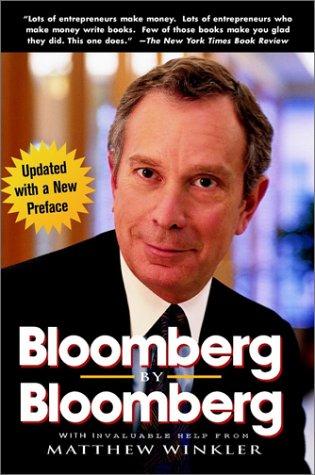


delivered
Get key takeaways from each episode delivered to your inbox.