Alexander Taubman
Alex Taubman is the co-founder and CEO of Long Lake.
Summary
Alexander Taubman is the co-founder and CEO of Long Lake, a company that buys established service businesses and uses AI to improve how they operate. He explains Long Lake’s $6.3 billion deal for American Express Global Business Travel, why deploying AI in the real economy is difficult and why he sees productivity gains creating more jobs as businesses grow. Alex describes how Nexus, Long Lake’s AI platform, connects models to business data and workflows, why its engineers work alongside employees in the field and why he wants to own businesses rather than sell software. He shares how his grandfather’s idea of “threshold resistance” applies to AI adoption, what he learned at Goldman Sachs and Oaktree and how investing in founder-owned businesses through Taubman Capital prepared him to build Long Lake. Alex also discusses the influence of Danaher, Henry Singleton and John Malone, why he values partners who make him more ambitious and why Long Lake plans to hold its businesses for decades. Including Amex GBT, he expects more than $4 billion in combined revenue the following year and explains why he believes long-term compounding could eventually build a trillion-dollar company.
Episode transcript
This transcript was generated using speech recognition software and may contain errors. Please review the episode audio before quoting from this transcript.
[David Senra]
I want to start with the fact that you just bought a public company. You took it private. It's over 100 years old, and you paid, what, six and a half billion for it?
[Alexander Taubman]
Yep.
[David Senra]
This is Amex Travel.
[Alexander Taubman]
Yeah.
[David Senra]
Can you tell the story?
[Alexander Taubman]
We announced that we're buying American Express Global Business Travel for 6.3 billion dollars, and
[Alexander Taubman]
it's just an unbelievable business. We've always respected this business. It's a 111-year-old company, over a century of customer excellence. And it was actually started in 1915 by American Express to help get their travelers checks customers out of Europe during World War I. I've been a customer of this business. Most people have. They
[Alexander Taubman]
manage to travel for some of the most iconic customers and businesses in the world, close to half the Fortune 500, a huge percentage of the Global 2000, a lot of the US government and military, governments around the world. It's a really remarkable franchise, and the opportunity to partner with them, take the company private, invest in growth, invest in technology, and bring AI into the travel experience for millions of travelers per year that they're supporting, it's a big scale of impact for us to pursue the Longlake mission, which is to deploy AI into the real economy. And travel's a huge multi-trillion dollar global sector, growing better than GDP, and we just think that we can have a massive impact here.
[David Senra]
So let's step back, because me and you have been friends for a long time.
[David Senra]
Longlake has always been a company that it's like if you know, you know thing, where you guys had basically no public profile. I don't even think you have a LinkedIn or anything.
[Alexander Taubman]
True.
[David Senra]
Yeah. So no public profile. I know everybody involved actively were not seeking attention, yet ton of people were starting to copy your idea. And then I've seen some of their financials, and they're just copying it way worse than you guys are. So for the people that have never heard of Longlake, explain the thesis and explain why you think right now is the best opportunity to pursue that thesis.
[Alexander Taubman]
We formed the company three years ago with the mission of basically bringing AI into the real economy. What we saw was incredible revolution happening on the intelligence frontier, dating back. If we had talked to each other four years ago after ChatGPT launched and you told me that four years from now, back then, if you remember, the models were amazing, but they couldn't do addition. And recently, the last couple of weeks, the model solved some of the 10 most difficult unknown math problems in history and may win a Fields Medal. And if you had told me that that level of frontier intelligence was going to...
[Alexander Taubman]
Many people would have thought you were crazy. It couldn't happen that fast. But a lot of people, and Dwarkesh was talking about this recently, you would have thought in that world everybody would be using AI everywhere. The economy would look totally different. GDP would have doubled or tripled. What we saw is we'd been working a lot with small businesses and in the real economy prior to founding Longlake. That was my history for 10 or 15 years, working with founder-owned businesses. And
[Alexander Taubman]
deploying technology innovations in the real economy is actually really hard. There's tons of legacy systems, tons of legacy data, workflows, change management. And so being able to deploy these innovations at scale in the economy is actually really hard. And so we saw that with Longlake, and the mission of Longlake was really to help pioneer bringing those frontier intelligence innovations and breakthroughs into real businesses and partnering with real American entrepreneurs and important verticals and important businesses where we could help diffuse the technology at scale. We never wanted much publicity. We just want to be known for our work. I think
[Alexander Taubman]
my chief of staff, Kim, who you know, she was in a leadership program, and the mantra of the leadership program was, "Talk less, do more." And so that's kind of been our ethos. We just keep our head down and just focus on executing. It's a lot of work. It's really hard.
[David Senra]
Hold on, I got to tell you a funny story about that. So,
[David Senra]
I've spent a few times with a lot of people that know these European private family dynasties, right?
[David Senra]
The companies aren't public. They don't seek publicity. They're essentially hidden, but they're extremely wealthy. And somebody who told me one of their family mottos was, "To be, to not be seen." So we want to be, but not be seen. I just love that idea.
[Alexander Taubman]
Yeah. I think, look,
[Alexander Taubman]
I was very inspired
[Alexander Taubman]
growing up in Michigan, in the Midwest. There's some unbelievable entrepreneurs and businesses that have been built that are worth billions of dollars doing unsexy things like construction or distribution or whatever you might. And people are very low-key. They're totally normal people.
[Alexander Taubman]
So our view is we want to be the best possible partner to those kinds of business owners.
[Alexander Taubman]
They've built, in many cases... Amex BT is a great example. It's an iconic franchise. It predates the invention of the airline. That's the brand that we want to sort of partner with and let them shine. Longlake is just here to be sort of a deep, long-term, permanent capital partner who's going to help you bring AI into the company, make your team members faster, better, smarter, make your customers happier.
[David Senra]
But say specifically why you think there was such an opportunity even three years ago to bring AI into the real world.
[Alexander Taubman]
The sort of diffusion problem is a really hard problem. Several years ago, there was this question of, will intelligence work? And obviously it's worked, and we're seeing that now, and to crazy levels and faster. And I'm super AI-pilled, always have. That's why I left my old job to co-found the company. But it's happened even better and faster than even I expected. It's no longer a question of does the technology work. Now it's a question of now the markets are very concerned about how are we going to finance all this? And I think the real answer is we need to demonstrate... You can borrow against future cash flows in order to finance this stuff, and people are now just running into the trillions of dollars of investment to be able to scale the models to really where we want them to be in 10 or 20 years. In order to finance all of that, you need to see a return in the real economy. So actually, one of the things Longlake was formed to do is actually take those frontier innovations, deploy them into really high ROI use cases, taking away toilsome work from our team members, mundane work, data entry, process-oriented stuff that really a lot of people don't like to do. And taking that away and freeing up human capacity for more impactful work, dealing with the customers, focusing on growth, that's super high ROI.
[David Senra]
Focusing on growth is really important. People think, "Oh, you take some technologists, match them with some PE guys. They're going to buy a bunch of existing businesses, gut it, replace all the humans with AI, essentially cut costs, and that's the value creation." And that's not the thesis of what you guys are actually doing. You actually think that, and you're demonstrating that you're increasing revenue growth and you're actually not cutting people.
[Alexander Taubman]
Yeah, absolutely. So this is a contrarian take that we had in the beginning as well. We're very positive sum. We really believe in this concept of AI abundance, and if you look throughout history, most innovations that lead to big productivity gains are actually good for the economy, good for wages, good for consumers. And we think this is just a sort of like a mega productivity gain. It's going to be good for everybody. And so what we're seeing in our companies, and we started in HOA management, and we've now bought, I think, 20-something companies in that space. We've bought close to 40 companies now in total across this. Travel makes it our fifth service line. And what we're seeing across industries and in our businesses that we've owned for longest, like HOA management, what we're seeing is significant job growth. We're actually adding heads. Because if you think about it, if your people are 50% more productive and can handle 50% more clients and with better customer service, so you're retaining customers better, you're growing faster,
[Alexander Taubman]
so the people are much more valuable. Do you want more of them or less of them? You obviously want more of them. It's like a salesperson.
[Alexander Taubman]
If you have a salesperson with AI that's now doing 3X quota, do you want to have one-third the salespeople? No, you obviously want as many of those people as you can have. And so I think this is all going to be very good for jobs and very good for US GDP and the economy. And that's a big part of our mission as well, is basically bringing this positive sum AI revolution to the economy, 20 trillion plus dollar services economy in the US and obviously millions of people.
[David Senra]
Wait, so you said you're in five different verticals now?
[Alexander Taubman]
Yeah.
[David Senra]
What are they?
[Alexander Taubman]
So we started in homeowner association management, which is a actually really big business that people don't pay a lot of attention to, but there's tens of millions of homes managed in association. And so we're providing a now market-leading service, one of the fastest-growing companies in that space. We then moved into HR services, specialty tax, infrastructure services now is a big area for us. So we have architecture, engineering. We're looking at other sort of businesses in that broader infrastructure space, and now travel.
[David Senra]
I want to tell you about the presenting sponsor of this podcast, Ramp. I have been reading a lot about SpaceX lately. SpaceX is one of the most valuable businesses in the world, and one of the main themes in the history of SpaceX is constantly attacking and questioning your cost. Ramp helps many of the most innovative businesses in the world do exactly that. The median company running on Ramp cuts their expenses by 5%. And one thing SpaceX has demonstrated is that a religious dedication to controlling costs can help actually increase revenue because you can pursue opportunities you couldn't otherwise. And we see that in the Ramp data, too. The median company running on Ramp also grows their revenue by 16%. So when you're running your business on Ramp and your competitors are not, you have a massive competitive advantage that compounds over time. Ramp is the only platform designed to make your finance team faster and happier. Many of the top founders and CEOs I know run their business on Ramp. I run my business on Ramp, and you should, too. Go to ramp.com to learn how they can help your business save time, save money, and grow revenue. That is ramp.com. I found one of my all-time favorite quotes when I was reading the book "Zero to One." The quote says, "The single most powerful pattern I have noticed is that successful people find value in unexpected places, and they do this by thinking about business from first principles instead of formulas." That is exactly what Applovin has done with their advertising platform. Applovin connects you with over a billion potential new customers in mobile games. Applovin allows you to capture undivided attention. Applovin ads are full-screen videos that are watched for an average of 35 seconds. That is retention that blows other ad platforms out of the water. And you can launch on Applovin in minutes. You set the goal, and Applovin achieves it. No complex setup, no expertise needed. And Applovin scales quickly. They can put your ads in front of over a billion potential customers. Other businesses have seen immediate results, scaled to hundreds of thousands of dollars of spend per day, and increased their revenue by millions. So you want to get started quickly before all of your competitors are on Applovin, and you can do that by going to applovin.com. That's applovin.com. Okay, so I hang out with you guys a lot. We have a lot of dinners. I basically drop in on your office every time I'm in New York. I want to talk about the people that you've like pattern matched off of or that have inspired you. I know we've talked about some companies in the past, too. But
[David Senra]
people are like, "Okay, wait, this guy founded a company three years ago. How the hell did he just buy a 110-year-old company for six and a half billion dollars?" We'll talk about your crazy revenue growth. You're obscenely profitable, and I mean obscene, the deepest love. I love obscene profits. What I understand about you, just from being your friend, is that
[David Senra]
you kind of have a map of all... How do you think about this? It's like, just the same way that Buffett, you couldn't tell him about an asset and he'd be surprised, like, "Oh, I didn't know I wanted that asset." He's like, "No, I kind of like mapped out everything, kind of just waited for the right time
[David Senra]
if I could buy that company or could buy that asset. I already knew about it. I already studied it."
[David Senra]
You guys do the same thing, correct?
[Alexander Taubman]
We do.
[David Senra]
Okay. Why? And explain this.
[Alexander Taubman]
Yeah, so we want to be doing this for a long time. I'm still relatively young. I like to think I'm still young.
[David Senra]
You are.
[Alexander Taubman]
And our friend Zach tells us we're going to live to 150, so hopefully I could actually be doing this for
[Alexander Taubman]
at least 50 years, maybe 100 years. So in the fullness of time, we want to bring Longlake and we want to bring AI to- Huge swaths of the economy. We're now operating in roughly $3 trillion of the $20 trillion TAM, so-called 15% of the economy in the US, and now we're global. And we just want to keep adding to that. So over time, we'd love to have a market-leading business and platform in many more industries. But there's moments in time when you can find a great asset with a great team at the right price, and then there's other times where certain industries are not attractive for long periods of time. And so we take a prepared mind
[Alexander Taubman]
approach, where there's this sort of our top 15 or 20 industries that we think are interesting for our strategy at any given time. We're constantly force-ranking those industries based on what we learn, based on how market dynamics are evolving. And the best way to learn about is look at deals in the space. And so we've built a really powerful sourcing engine where we're seeing 4,000 or 5,000 deals a year across all these sectors, and we'll literally do one or two new industries per year. So it's a big funnel, very tight filter, and I can talk to you about how we select industries and assets.
[David Senra]
That's literally what I was thinking. I was like, okay, when you're select- I assume this is operating at the founder level, that
[David Senra]
you guys are the ones selecting, okay, this is the next industry we're going to to enter, correct?
[Alexander Taubman]
It's more based on opportunities coming our way. To go back to Buffett, you have a better chance of getting a date if you're bisexual public and private. You know that quote?
[Alexander Taubman]
Twice the chance of getting a date.
[Alexander Taubman]
So we like to kind of keep an open mind. If you're open to 20 industries, you're more likely to find a great business and a great team to partner with. We just keep that funnel going all the time. We're constantly looking, and when we see something, it's kind of like you know it when you see it. If there's a great business like Amex GBT with high 90s customer logo retention, 100-plus percent kind of dollar retention, with
[Alexander Taubman]
tremendous customer relationships with the best companies in the world, built average of 15-year relationship with their top couple hundred customers, deep, deep embedded partnerships where we sort of managed a mission-critical service for all these companies. Travel, I mean, it's a small cost and it's mission-critical. You don't want to screw it up. We talk about that century of customer trust, but it really means something, especially in travel, right? If you have thousands of people traveling in the Middle East and a war breaks out, or you have a huge snowstorm in Chicago and your entire team gets stuck in the middle of the night at 2:00 in the morning. Things have to work. Somebody's got to be able to answer the phone and know what to do. This is an amazing business. You just kind of know when you see it.
[David Senra]
So wait, was Amex your first entry into travel?
[Alexander Taubman]
Yeah.
[David Senra]
Okay.
[Alexander Taubman]
We'd been building a thesis in that space for like a year, meaning looking at several other assets. It was on our whiteboard of industries that we thought was really attractive for reasons I'm happy to go into and-
[David Senra]
Yeah, I want to hear about this. What do you think AI is going to do to this business?
[Alexander Taubman]
I think it's going to make the travel experience much more seamless. I think things can be much more personalized, more proactive. Right now there are a lot of legacy messy data issues and systems issues in the travel space. You have these supplier systems and customer systems and distributor systems, and it's a longstanding industry, so over many decades. And so it's kind of complicated, but one thing, as an example, AI is really good at this, is like our friend Scott Wu, obviously, like his Devin and things like that, integrating messy systems. And this is what we've built Nexus to do. So Nexus and our
[Alexander Taubman]
co-founder, Rasmus Wisman, comes from a data... He was the top computer science PhD at Oxford. He won the prize for the best thesis, and he's amazing at building, simplifying complex messy data structures. And so Nexus, our AI platform, is built specifically for this use case. And so we think about how do we make this a better experience?
[David Senra]
Hold on. Let's not move on because I know what Nexus is. The person listening might not. Explain what Nexus is.
[Alexander Taubman]
Yeah. So Nexus is our horizontal AI platform that we've been building
[Alexander Taubman]
across verticals. And so we've been investing, and part of the reason we're in multiple verticals is I think scale's increasingly important in an AI world in general. You're competing for the best talent. Being able to leverage innovation and building a platform across 5, 10, 15 different scaled industries allows you, I think, every single industry we go into, it makes Nexus better. We add additional capabilities.
[David Senra]
Why does it make it better?
[Alexander Taubman]
So as an example, about 70, 80% of the infrastructure is shared across the verticals, and that's kind of like our platform where on one side we integrate with all the models. We're model agnostic, and we kind of use different models for different tasks, or even one task might be using several models just to complete one task. On the other side, you integrate with the data, the workflows, and the different software systems of the business, and you have to build that deep integration. So Nexus sits in the middle. A lot of that intelligent model routing, security,
[Alexander Taubman]
sort of agentic orchestration layer, things like that, that's reusable across all the industries. That last 20 or 30%, which is embedding Nexus into the workflows of the business, mapping the workflows, integrating with these different data sources,
[Alexander Taubman]
it's a very hard technical challenge. It's why you need a world-class AI team to be able to actually use AI in the real world because you have all these systems.
[David Senra]
Hold on. This is a really important part, too, because again, I hear other people talk about Long Lake and I'm like, "Oh, they don't actually understand what you guys are actually doing." How many different states are your engineers operating in right now? They're not fucking just sitting in New York.
[Alexander Taubman]
Yeah. I mean, we're operating in probably almost every state at this point, and our engineering team will be, I'm guessing 70% of the engineering team today is probably sitting with a team member in the field across 15 or 20 states.
[David Senra]
And they're working on that last 20%, correct?
[Alexander Taubman]
Exactly. Sitting with our team members, understanding the pain points, what's breaking, what's useful, what's not useful, and iterating. And we-
[Alexander Taubman]
To your point about learning from history's greatest entrepreneurs, like Kelly Johnson, very inspiring on this. The Skunk Works, like you want the engineer sitting in the factory, and that's actually kind of what Long Lake is.
[David Senra]
There's a book on the counter behind there that's unreleased, and it's all about like SpaceX. What's fascinating to me is I just did an episode of "Founders" on Kelly Johnson, because in the preface of that unreleased book, he talks about, he's like, "If you just go back and read Kelly Johnson's 14 points and the way he operated Skunk Works, it reads exactly like what SpaceX is doing." These ideas are not new.
[Alexander Taubman]
Yeah, 100%.
[David Senra]
We just use it over and over again.
[Alexander Taubman]
The other great motto that I love on this point is from Danaher, who was a big inspiration to us also, the Rales brothers, is their motto was, "Common sense rigorously applied."
[David Senra]
Yeah, it's excellent.
[Alexander Taubman]
And so that's kind of what we do too. If you can take some of the world's best AI engineers, and they can sit with your team members, understand the problems, and we can use common sense to fix them, it makes Nexus better. So Nexus now integrates better with all those various systems. And each different industry needs different things. So for example, in HOA management, it turns out a lot of the work is done in email. So you're taking in emails from homeowners and boards and responding, and they're complex emails. It'll be like, "What's going on? We need to find a snow removal company." And so it's not just a simple response. You actually have to go map out, "Here's the 10 other communities we manage. Here's the five vendors. Here's what they charge you. Here's how people reviewed them. Here's the schedule." Then you might need to actually send an email to the vendor, get schedules, and then respond. That email could take 45 minutes, or an hour or longer to actually craft a thoughtful sort of response and proposal. If Nexus has access to all that information and can draft an email for you before you even wake up in the morning, you have a draft in your inbox to respond with a 99% accurate, and then you can just edit it as the manager. So now instead of spending an hour, you spend five or 10 minutes putting it in your own voice. And by the way, the voices are getting better and better now. This is something we're working on to each of our managers now can have Nexus drafting emails in their own voice. And so this is like a capability that we built for HOA management, but is now applicable to every other business. Turns out pretty much every business works a lot in email. Travel, for example, 55% of travel agent inbound queries from travelers is in email. New bookings, changes, cancellations, it's all in email. So because we solved that problem in HOA management, Nexus is now better, has this tool built in. It's going to day one have a huge impact in MXGPT, and I could give you 10 other examples of this.
[David Senra]
Has anybody tried to buy Nexus as a separate tool?
[Alexander Taubman]
You know, it's funny.
[Alexander Taubman]
Because we haven't been very public, not a lot of people really know about what we're doing, but a lot of our investors have asked us, "Can we partner to use Nexus?" And maybe for them we would do it, but we've never wanted to sell software. First of all, software obviously is a great business. We partner with tons of software companies in all these industries and with the labs, et cetera. But the problem with selling software is you don't actually care about what happens in the outcome. So for us, we're very outcomes-driven. We want to really actually change the way these businesses operate, change the way these industries actually function. And to do that, you need to be an owner. You need to really be an owner-operator. And so taking Nexus, taking the AI breakthroughs that are happening at the frontier, deploying them into the businesses for real outcomes, i.e., faster growth, better customer experience, better team member experience, being able to pay your team members more because they're more productive, and then ultimately, to your point, shareholder returns, that's what we're focused on. And I think the vertical integration of owning your own platform and deploying it only into your own companies creates a lot of alignment.
[David Senra]
We've talked a bunch about all these other "Founders" episodes, and I love that part of your onboarding at Long Lake is listening to specific episodes of "Founders," which I think obviously is fucking genius, but I'm biased on that. But I think this is, because I think, again, especially like on the investor side, it's like, "Oh, yeah, let's just sell the software." It's just like, well,
[David Senra]
I go back to like Larry Ellison. I've done like, I don't know, six episodes on him, and he has this great line about this. He's maybe the best in the world at understanding this. He's like, "It's not a software problem, it's a human problem."
[Alexander Taubman]
Yeah.
[David Senra]
It's like, there's no point in me selling something if the way you work doesn't change. It's like, then I can't build a good business around that. And it's like, okay, so how do you get over the human problem? Well, you own the goddamn company.
[David Senra]
You control the workflow.
[Alexander Taubman]
It's interesting because
[Alexander Taubman]
a slightly non-obvious thing with this is we don't actually force anyone to use our tools. So owning the company is really valuable in a lot of ways, but not because we force people to use the tools.
[David Senra]
That was Larry Ellison's point. You can't force them.
[Alexander Taubman]
If we have to force someone to use our Nexus platform, then the platform's not good enough. We take an approach of the customer are our team members, and we're now going to have 30,000 team members operating globally across all these sectors. And so-
[David Senra]
Wait, explain this to me.
[Alexander Taubman]
We're 30,000 people working at-
[David Senra]
You said your customer are your team members?
[Alexander Taubman]
Yeah, we think of our team members, and we now have 30,000 of them globally, as our customer.
[David Senra]
Okay.
[Alexander Taubman]
And so the whole idea is we want Nexus to be so magical-
[David Senra]
30,000 employees-
[Alexander Taubman]
Yeah
[David Senra]
... in the businesses that you own?
[Alexander Taubman]
That's right.
[David Senra]
Okay. I have to always convert. I love you, but you're like an East Coast finance guy, and I always have to convert the way you talk.
[Alexander Taubman]
We think of them as partners, design partners, and that's our customer. And so the whole idea is
[Alexander Taubman]
we want it to be so magical that when you introduce the tools to them, it goes viral inside the company. And we've now seen that. And it's happening where as the models get better, as our products get better, and as our deployment playbooks get better, we're seeing the cohorts of adoption going crazy. Like it used to take us like maybe, I don't know, six months or something to activate a cohort. Now it's like you give them the tools and in like days.
[David Senra]
And wait a minute, hold on. Am I understanding this correctly? So you're targeting these services, so let's say HOA management, right? And let's say I work there, and now I'm using Nexus and all the other tools that you guys are building, right? And we'll talk about how you got elite technical talent too, right? My job is now fucking 90% better. That also protects you for retention.
[Alexander Taubman]
100%.
[David Senra]
Because like another HOA service company doesn't have these tools.
[Alexander Taubman]
Yeah.
[David Senra]
I'm going to go over there-
[Alexander Taubman]
And it would be horrible.
[David Senra]
Work 90% more?
[Alexander Taubman]
Yeah. No, you don't want to do that. This is a big part of our vision too, is that we really want to be a talent magnet. We want to be the best place to work in every industry that we operate in. And part of that is, if you can build people the best tools, make them more productive so they can make more money and have a better job. And by the way, we have these amazing quotes now from our team members. They're saying, like, "I don't feel like I'm working anymore." Because there's so much mental friction that comes from that 30% of work that's this manual road, responding to emails, data entry, da, da, da, da, da. What they want to do is they want to focus on getting more customers, understanding that, helping the customers more, interacting more with them. There's a lot of fun parts of the job that keep people going. If we can do more of the fun parts, less of the dull parts, they love their job more, they can make more money. And so then think about having to leave a Long Lake partner company that has these tools and this setup and go to a competitor down the street.
[David Senra]
You're not going to.
[Alexander Taubman]
It's going to become really powerful. We're already starting to see this. We're obviously only a couple of years in, but if you think forward, and this flywheel then, if you then have the best people in every industry using the best tools, creates a much better customer experience. And then you grow faster, you retain your customers better, you make more money, you can pay your people more. That's the positive sum vision for us of AI deployment, is you can really create a better mousetrap in all these industries.
[David Senra]
Why should you be the one buying these companies, right? So we'll talk about that in one second. So the way I think about it is like, you have a ton of experience, right, in finance. What you were just telling me and my partner before we started recording, it's just like you blew his mind because he
[David Senra]
was thinking about the same thing you were thinking about, and you're like, "Hey, you didn't think about this other part, this missing piece," which we want to talk about. But that's another example. I've seen you do this a million times. And then with Zach, it's just like he's going to be able to recruit the best technical AI talent in the world. And that's how I see the combination. Everybody's like, "I want to do what Long Lake does." Yeah, but you're not Alex and you're not Zach. Am I wrong about this?
[Alexander Taubman]
Well, thank you for saying that. We've got an amazing team. We go back a long ways. Zach and I first met at Goldman when he was a summer analyst. I was an analyst. He introduced me to Rasmus, our co-founder and CTO, who he was at Oxford with at the same time as I mentioned was top student there. The sort of team came together through network. And so,
[Alexander Taubman]
the first 20 people, I think, were all from network and people that we knew deeply from both an investment acquisition side as well as applied AI technology. We're growing much faster now. We're closer to 60. We're still small. At Long Lake level, we're only about 55, 56 people now. We'll probably be closer to 100 people by the end of the year. It really is a world-class team. It's,
[Alexander Taubman]
I'd say, 90%
[Alexander Taubman]
AI engineers and operations deployment folks, and then 10% sort of acquisitions, M&A finance. But yeah, I do think you need to be able to do three things really world-class to be able to deploy this technology. You need to be able to buy great companies well, so you need a great M&A function. You need to be able to build amazing world-class technology, so you need world-class technology that rivals the labs or some of the best applied AI companies. And then you need change management operations. Because we were purpose-built and because we started with the big vision of we want to really kind of help change the whole economy, I think we were able to attract much better people, and that's been starting to compound now. And we still, I think 75% of our teams come from referrals, from in-network referrals. So we have a very strong, and it's a very tight filter, as you can imagine. I think this quarter, we hired 3% of applicants, basically. And we saw, I don't know, close to 1,000 applicants this quarter. So we have a very tight funnel, just like we do for deals. And I think one of my biggest learnings is just high bar in everything is really the key. And so high bar in talent, high bar in acquisitions, high bar in technology, and that's kind of what I think you need to make this work.
[David Senra]
What initially got you interested in finance to begin with?
[Alexander Taubman]
I just loved it. I grew up in a family of entrepreneurs. My grandfather, who was a big inspiration to me, started a real estate business after World War II.
[David Senra]
He essentially invented the strip mall.
[Alexander Taubman]
Yeah, the shopping center. Yeah, yeah, yeah, exactly. He didn't actually do strip malls. Well, he did probably earlier in his career, but he eventually did-
[David Senra]
There's a great quote that you gave me about him called "threshold resistance."
[Alexander Taubman]
Yeah.
[David Senra]
Can you talk about the idea? Why would it be called threshold resistance?
[Alexander Taubman]
Yeah, so the concept, by the way, it's a fun reference. We have it in our office. But basically, the whole concept of threshold resistance is you want the shopper to be more likely to go into the store. So he was sort of an early pioneer of retail. He just thought he could make things better, and actually that was a big inspiration to me, try to make things better in life. And so one of the ideas was the threshold is the entrance to the store. And the more you had to step up steps or go down some dark hallway in order to get... And that's how stores used to be designed. There used to be these big windows with
[Alexander Taubman]
merchandising in them, and you'd have to go through the windows in some dark alley in order to get to the door in the back. Nobody fucking wanted to go in them. So his idea was bring the door to the front, have no threshold, have it be the same, like that over there. You can't see, but that, you want to walk through that.
[David Senra]
Because even a step, he broke it down almost like a math equation.
[Alexander Taubman]
Yes.
[David Senra]
Even like half a step up reduced it by like 20, people coming by like 20%.
[Alexander Taubman]
Exactly. He did a lot of really creative things that I can tell you more about it. He was very innovative, and he always brought this kind of continuous improvement mindset, similar to like the Danaher continuous improvement concept. And honestly, it's all a big inspiration for me. You want to make it so easy and so magical for the shopper to go into the store that they'll go in and spend more money, ultimately, which is good for the store and all that. And actually, some of those principles, I think you can apply more generally, like with technology, for example. We want to make Nexus so magical and so easy to use that our team members just love it and they can just use it. You want to minimize threshold resistance on AI adoption.
[David Senra]
This is exactly what you're talking about. It's like, hey, the reason we can have this horizontal AI platform is because 70, 80%, it's like every business deals with the same shit.
[Alexander Taubman]
Yes.
[David Senra]
When you were just talking about this, I just recorded this crazy episode with Travis Kalanick from Uber. It was fucking crazy set, exactly where you are, and we talked for hours. And he was breaking down in minute detail about even like every single page you would see at Uber compared to Lyft, and he's just like, "Every single little thing." He's like, "And there's a thousand things I had to optimize that if you're just copying me, you copy what you see, but you don't understand the thinking behind it." And this is exactly what you're talking about. It's like this guy's just obsessed with shopping malls or shopping centers and realizing that, "Hey, I'm going to knock six inches off here and my bottom line, my profit increases by 25%," or whatever.
[Alexander Taubman]
By the way, I think it's very much the same with technology and websites and Amazon that came later and things like that, which was just these little tweaks can really impact behavior. And just by making things better-
[David Senra]
It's why both my podcasts, like Founders has no intro. I just get right fucking to it. And this one has like a six-second one. Just like, no one wants to sit through that shit.
[Alexander Taubman]
Yeah.
[David Senra]
I'm listening to your podcast so I can hear some 30-second melody that you made? Like, no. This is not a concert, dude.
[Alexander Taubman]
Yeah.
[David Senra]
Get right to the point.
[Alexander Taubman]
Yeah, exactly. So I grew up in this family of entrepreneurs, and my father and uncle ran that business for 75 years. And so one of the inspirations, we called the business Longlake because that business was built and lived on Longlake Road for the last 40 or 50 years in Michigan, where I grew up. And it was actually a funny story about-
[David Senra]
I know. I dismissively called you an East Coast finance guy, which you know I love you and we're friends. I was like, "Shit, I forgot he's from Michigan."
[Alexander Taubman]
Yeah. I basically just really grew up kind of with a tremendous respect for the American entrepreneur. And growing up in Michigan, I mentioned earlier, but all these incredible entrepreneurs in businesses you've never heard of. The people in Michigan in the community, in the business community you looked up to, there's no finance scene there. There was no tech scene there. It was people that built these
[Alexander Taubman]
what people on the East Coast might call unsexy businesses, but they're amazing businesses that you've built over 50 years or 75 years in the case of my family. And these people that built them are extraordinary people, as you know. They're classic American founders and bootstrapped their way in to build what could be a huge business over time that provides an unparalleled service in that market. Like, we partnered with an architecture business in Minnesota that's built 50% of the K through 12 schools in Minnesota the last 70 years. I mean, they are like the McDonald's of architecture for schools. And this is why it's such a great country. You can go to any region in the country, in any service line, and there's someone that's spent 100 years obsessing over that product and service. And so growing up seeing this and around at the dinner table, meeting some of these people, and it was very inspiring to me. And so I think
[Alexander Taubman]
part of the reason that I was uniquely interested in this problem and mission was, how do we bring the best of the intelligence revolution and the best engineers in the world to help these sort of iconic
[Alexander Taubman]
American entrepreneurs across industries deploy AI into their business to make their team members, employees happier, make their customers happier, improve their bottom line, and grow faster? And by the way, if you do this in enough industries with enough businesses, you're eventually going to add up to really contributing to the economy in a big way. So I think there's a long-term, over decades opportunity to make a meaningful contribution. I don't want to overstate our role in the intelligence revolution, but I think actually deploying the technology in the real world, driving real ROI, which by the way, and I was sort of starting to get this earlier, but by driving real ROI, we're actually generating cash back into the system to scale the models. And so you actually need this flywheel. You need distribution. And so part of the mission of Longlake was-
[David Senra]
Oh, your distribution for the labs. That's hilarious.
[Alexander Taubman]
Yeah. We generate ROI in the real economy on the intelligence to reinvest into scaling the models.
[David Senra]
That's funny.
[Alexander Taubman]
And someone's got to do this. And by the way, you're seeing the labs start to dabble in deploy codes and things like this. But I think somebody, and many people, it's not going to be one company. You talked about other people. People often ask me about competition in the space, people trying to do what Longlake's doing. And I think it's great because I think to actually scale the models, we actually need to deploy this technology at scale, which is going to be... This is a big economy. And by the way, it's a global economy too.
[David Senra]
And it's going to happen slowly.
[Alexander Taubman]
Very slowly, yeah.
[David Senra]
Like the technology changes way faster than human nature does and human behavior does. The bottleneck is changing actually what people do.
[Alexander Taubman]
And there are real hard technical problems, and like Rasmus and a bunch of our co-founders like Varun and founding engineers are Prateek, Taras, these are some of the best engineers. Any one of them could raise money from a top VC tomorrow to start their own company. Any one of them could go get offers at amazing, whether it's the labs or some amazing software company. You need people like that. These are really hard technical problems, and what they would tell you is it's really interesting work because it's not easy to figure out how to take 100-year-old businesses' systems and data and problems that are global with each customer having some different optimization that it needs, like in MXGPT, for example, and somehow scaling that with Nexus and diffusing AI into that whole stack.
[David Senra]
Deal is how the best founders turn the world into their talent pool. I've been studying how history's greatest founders operate for a decade, and one thing they all have in common is they understand that recruiting and hiring the very best talent is your most important priority. A players recognize other A players, which is why top companies like Ramp, Shopify, ElevenLabs, Uber, and DoorDash all use Deal. Many of the top founders I know have personally invested in Deal after using their product. And what they discovered is that Deal is the best company in the world at building infrastructure for global hiring. Deal will help your business hire, pay, and manage any worker anywhere in the world so you can retain the best talent anywhere and spend the rest of your time focusing on what you do best, delivering value to your customers. The founder of ElevenLabs has a great description of the value Deal can give your company. He said, "We built ElevenLabs to break down language and communication barriers. With Deal enabling us to hire and support exceptional talent anywhere, we can accelerate our innovation and bring more voices, stories, and ideas to every corner of the world." Deal is trusted by over 40,000 companies and growing fast. Learn how they can help your business by going to deal.com/senra. That is deal.com/senra. Okay, so you're meeting all these entrepreneurs growing up. You grew up in an entrepreneurial family. These are family businesses. When did you start paying attention to finance, though, and that aspect of it?
[Alexander Taubman]
Yeah. So, I knew I was really interested in business, and I wanted to learn about capital markets, and I started my career at Goldman. That's where I met one of our co-founders, Zach, who helped introduce me to Rasmus, and sort of all this ended up coming together through that. But when I was at Goldman, I worked in the internal investment unit, which was called Special Situations Group. And it doesn't really exist in the same way because of regulation now, but at the time, it was a very cool group, which I can talk more about. But I sort of just fell in love with this whole idea of capital allocation, and I had some really amazing mentors there. And the whole idea of putting resources of the economy into the highest and best use, and the whole concept of capitalism, I just kind of fell in love with it, and capital allocation across industries. That was one of the beautiful things about SSG at Goldman at the time was the pitch to young people coming out of school was you get to sort of invest right away. We invest up and down the capital structure, from debt down to equity, public and private, across all industries. So I just got tremendous exposure at a young age to all these different types of businesses and ended up working on some really interesting investments there. Learned a ton by sort of not just observing, but also like getting to manage risk at a young age, which was a very unique experience.
[David Senra]
Young age is what, early 20s?
[Alexander Taubman]
Yeah, I think I was like 22, 23.
[David Senra]
Okay.
[Alexander Taubman]
And actually, I had a great mentor there who I later partnered with and worked with at Oaktree, a guy called Patrick McHaney, who empowered me very early, I think in my first year, to basically manage like a couple of hundred million of invested capital. I mean, he was helping me, of course, and he gave me a lot of guidance, but he empowered me to take real risks early in my career, and that was very formative for me. And I realized I loved investing. I loved allocating capital, and I loved businesses and learning about how the world works. To me, understanding how these different businesses work and all these industries is sort of like really understanding how the economy in America really functions. And so I love that, the intellectual curiosity of just learning more about how different things work.
[David Senra]
So wait, then you go to Oaktree.
[Alexander Taubman]
It's funny. People ask me
[Alexander Taubman]
about Long Lake. I never could have told you at any point in time that I was going to be doing what I'm doing today, but if you-
[David Senra]
Did you think you were going to found your own company, or you thought it was going to be a fund? Like, what'd you think it was going to be?
[Alexander Taubman]
I didn't know what I wanted to do. I was very focused on just continuing to learn and get better and improve my skills. So after Goldman, I went to business school, and I actually, what I was going to say is my favorite case was Danaher. I've talked about Danaher. They're a big inspiration for us. The idea of like having that long-term compounding model where you have a structural advantage, you can operate the businesses better, you can have a better cost of capital, and you can have the best people and all that.
[David Senra]
Hold on, let's come back to Danaher-
[Alexander Taubman]
Yeah
[David Senra]
... because I want to hear about that, Danaher, which you and I have talked about before, but also the other people that you guys look up to and you emulate. But you go to business school.
[Alexander Taubman]
So I went to business school. I ended up interning. I'm just going chronological order, but I ended up interning at a holding company called Lucadia. So I was interested in holding companies, and then I spent some time hanging out with Josh at Thrive. So basically, I was always interested in technology and holding companies dating back 15 years. None of this clicked for me until much later. So I went to Oaktree after business school. I graduated, I decided I wanted to stick with investing, and partnered with the guy I mentioned, Patrick, and we worked directly with Howard Marks and Bruce Karsh, two legends of the investment world, to build kind of some new businesses for them. We had started Oaktree's first equity business. We ended up getting involved in some of their credit businesses and helping out with a few things and doing... We started several different products there and worked very closely with Howard and Bruce and just had a tremendous amount of fun, learned a lot from them. But the whole time, I knew I was
[Alexander Taubman]
not sort of
[Alexander Taubman]
fully expressing myself. I eventually wanted to start something, but I didn't know what it was.
[David Senra]
On your own.
[Alexander Taubman]
Yeah.
[David Senra]
As a founder, even if it was going to be a fund or an investment company.
[Alexander Taubman]
Yeah, I think I just knew I wanted to do something entrepreneurial. I wanted to build something,
[Alexander Taubman]
and I wanted to do something on my own. But I didn't really know what it was. But then when I started really thinking, after I was at Oaktree for almost 10 years, I started really thinking and brainstorming with some of the early co-founders of Long Lake, who we've talked about, and the ChatGPT moment came out, and it just became very obvious to me, like this was the thing.
[David Senra]
But wait, where was the Tobman Capital? When did that happen in your life?
[Alexander Taubman]
Yeah, so when I was at Oaktree,
[Alexander Taubman]
I mentioned my dad and and grandfather's business, and I was helping working with our family to build out Tobman Capital, which is our kind of family investment business, which was all our own money. And we ended up partnering with... We did a bunch of these deals with investments in founder-owned companies, and we did, I think, close to 50 of them over that decade.
[David Senra]
So that's where you learned how to buy companies, do you think?
[Alexander Taubman]
Yeah, it was a combination of stuff I learned at Oaktree and stuff I was doing with Taubman Capital. And Oaktree stuff was generally larger companies, public companies.
[David Senra]
Yeah, but the returns you had at Taubman Capital, you don't like talking about this, but I'll just say it, and we can cut it if you're embarrassed, but it was like something like 70% IR or some shit like that, correct?
[Alexander Taubman]
We had a very good run. We had a very good run.
[Alexander Taubman]
But yeah, it was an eye-opening experience for me because what I realized is we
[Alexander Taubman]
there's some remarkable businesses out there. And just because something is a small or mid-sized business doesn't mean it's a bad business. Actually, I mentioned that business in Minnesota we partner with that's been building all most of the schools in the entire state for the last like 70 years. It's an amazing business. And so my learning was there's some unbelievable entrepreneurs. Going back to my roots in Michigan, it really resonated with me to be able to partner with some of these folks and help them grow their companies. And so to your point, we had a very successful run in bringing sort of permanent flexible capital, which was our own internal balance sheet, a long-term horizon, being comfortable in it, not just comfortable, very encouraging of investing in growth. We're not focused on short-term quarterly earnings. We're not over-levering the companies like a lot of private equity funds do. We basically are a long-term growth investor in great American businesses, partner with great founders, and we can bring them things that they may not have. Like, for us, it was helping them get growth resources, helping them get M&A resources, helping them have capital.
[Alexander Taubman]
A lot of folks have built an amazing business, but they've never done an acquisition before. And they may have tons of competitors that they could run the business better than, and we can help them go and consolidate that industry and become a bigger scale player and get the sort of industrial logic of that. And so we had a lot of fun. That was sort of nights and weekends for me over the 10 years when I was working at Oaktree. So that was a very formative experience as well. Longlake, it all clicked. It turns out I was always passionate about
[Alexander Taubman]
partnering with founders. I was always passionate about technology.
[David Senra]
Passionate about capital allocation.
[Alexander Taubman]
Yeah.
[David Senra]
And then now you met the right people where you could actually build a unique partnership that very few people can match.
[Alexander Taubman]
Yeah, exactly. I got very lucky. Super grateful to have incredible early investors. I think they've really pushed our thinking and level of ambition. And obviously our mutual friend Rick, who's an extraordinary investor and been one of our biggest partners, and Hemant at General Catalyst and Mark, and it's an amazing group of people, Elad Gil, and they basically really pushed my thinking in a big way since the beginning.
[David Senra]
What Rick tells me about you is that you're unusually receptive to both new ideas and criticism. And a lot of founders obviously are more like kind of headstrong and less... Usually they'll listen, but they're running the ship, you know?
[Alexander Taubman]
Well, that's nice of him to say. I think feedback's a gift. We want to get better every day, just like we want our companies to get better every day, we want our team to get better every day. I want to get better every day, and I have a tremendous amount to learn. That's why I love your podcast, actually. I learn more from you probably than from almost anyone from your episodes.
[Alexander Taubman]
And that's why I make everybody... I actually do. It's a true thing.
[David Senra]
I know this is-
[Alexander Taubman]
Longlake onboarding includes like half a dozen of your episodes.
[David Senra]
That's just smart. Okay, so I know you were working on a few deals. You and Zach were working on a few deals together before you found Longlake.
[Alexander Taubman]
Mm-hmm.
[David Senra]
You guys are talking about this thesis for what, six months, a year? Like, how long does it actually take to... And then we got to talk about the fucking crazy growth that you've had in the last three years.
[Alexander Taubman]
Yeah. So yeah, Zach and I, we go way back. We started at Goldman, as I mentioned, and we'd stayed friends a long time. And he's done some amazing things in technology, brought me into some of those things.
[David Senra]
That's an understatement.
[Alexander Taubman]
And then he was very inspiring on that. And then he was coming into some of our Taubman Capital deals and buying. We did a funny thing where we ended up like, we built one of the largest go-kart track companies in America. We partnered with
[Alexander Taubman]
20 different locally owned go-kart tracks and created a platform. And so Zach invested in that deal with us. And
[Alexander Taubman]
we realized there's some really great businesses out there that people don't spend a lot of time thinking about. And what if we could bring the world-class technology expertise of some of the companies like Ramp and Cognition and the labs, and you could bring some of that type of world-class AI team to the Main Street American businesses and enterprises? And that was the idea.
[David Senra]
Was it that idea from the very beginning?
[Alexander Taubman]
It was that idea from the very beginning.
[David Senra]
So from that, the conversation you guys start having about this to, "Shit, we're going to start the company," to it's founded is, what's the timeframe there?
[Alexander Taubman]
I think it was like nine months from the first conversation until we actually incorporated the company. I was still at Oaktree at the time, so we were spending a lot of time thinking about it, meeting some of the early engineers who ended up joining us. And I think the thing that got me really excited was when I started to talk about this idea with engineers,
[Alexander Taubman]
there was a lot of palpable excitement. People were really excited to work on the project. I knew we could build an extraordinary team. Being able to build the right team at the right time to go and do this was a unique opportunity. I was very bullish on the company and very excited, but I think we just continue to get more and more
[Alexander Taubman]
excited about what's ahead. Our bar for what we want to build and what we want to do keeps going up every day.
[David Senra]
Dude, I've been there from like, I think day one. But this is like, when I heard about the Amex deal, I'm like, "Why am I not thinking?" Like, I know these are my friends. I'm not even thinking, like I didn't even think it was a possibility that you would do a $6
[David Senra]
billion acquisition. I was like, "Damn, these guys are really good."
[Alexander Taubman]
Our vision is really big. I mean, it sounded kind of crazy when we were a couple of years ago when we were saying
[Alexander Taubman]
we wanted to play at-
[David Senra]
But it's not just your vision.
[David Senra]
The way you guys are executing is even better now.
[Alexander Taubman]
I think that's true, yeah.
[David Senra]
Like, you're getting better. You guys are getting... You were already super impressive, but you are literally getting better.
[Alexander Taubman]
Yeah, I do think we're getting much better. This is partly why I value feedback from some of our smart friends and some of our investors is we want to get better every day. And I do think it's true.
[David Senra]
Oh, can we talk about the story?
[David Senra]
You guys were thinking about a few acquisitions, and we don't have to talk about the prices or whatever. It was just like, "Well, we could do this one over here, or we could do this one, or we could do this one." And you told me the story, and Rick's like, "Why not do them all?"
[Alexander Taubman]
Exactly. Sometimes we like to say, I think the greatest gift that you can have in a partner is someone who makes you more ambitious. And I think our partners today really make us more ambitious. And when we started the company, we talked a lot about how if we do this right, we can really help change a lot of industries and change the economy, and it sounded kind of lofty. But now that we're operating in 15% of the services TAM and with tens of thousands of team members, it's starting to feel like it's coming alive. And so I think that's really exciting, which means we're able to...
[Alexander Taubman]
I remember in the beginning, convincing some of our earliest founding partners to leave their
[Alexander Taubman]
sexy jobs in technology. I was talking to people's parents about why they should drop out of school and come work on Long Lake and stuff like that. And it was
[Alexander Taubman]
a long process because I had to explain all of this,
[Alexander Taubman]
but now it's getting much easier. So, people have seen what we're doing, they're inspired by it, they want to join and be part of the mission. And so I think the team's getting better and better every day. Our rule is the incremental hire has to make us better, raise the average. And we've been able to do that, which is really extraordinary. And so, team's getting better. We're getting much more experienced. We've now bought close to 40 companies across five industries. We've built a process. We built a playbook. We have the Nexus platform, which we can redeploy. So our ability to drive impact is better. Our team is getting better. And so I do think our ambition level of, if it's not Long Lake that buys AmexGPT, who should it be? It should be us. That's kind of how we think about it. And frankly, we're thinking there could be other big things we can do. We're not going to stop, obviously. We want to keep doing this for the next 50 years.
[David Senra]
Give us some details about the size of the business today.
[Alexander Taubman]
We haven't disclosed valuations yet, but-
[David Senra]
We don't need to
[Alexander Taubman]
... you'll get the first exclusive at some point. But
[Alexander Taubman]
I can tell you that including AmexGPT's big business and the scale of our other businesses is also compounding and getting meaningful. And so, if you combine, we're expecting to do over four billion of revenue next year. It's amazing revenue base. It's very stable, 100% dollar retention type business. I mentioned we have a lot of employees now globally, and we're very profitable, as you highlighted, because our strategy is to buy established, profitable businesses that already are making 20, 25% plus EBITDA margins. And so our view is we actually never need to raise capital again, which is nice. We're going to be generating enough cash flow on our existing assets that we could compound just on internal reinvestment for decades to come.
[David Senra]
Yeah, but you have a line of people out the door.
[Alexander Taubman]
We've had tremendous support and interest from investors
[Alexander Taubman]
to help inspire us to do bigger and bigger things. One of the nice things about being able to access
[Alexander Taubman]
capital is it allows us to think bigger and move faster.
[David Senra]
I was at dinner last night with Rick and Zach,
[David Senra]
your main partners, and they made the good point where a lot of founders fuck up because they
[David Senra]
optimize for valuation. And
[David Senra]
Zach and Rick made the point, it's just like, "Well, if we're going to be working together for 20 years, this is a long-term partnership."
[Alexander Taubman]
Mm-hmm.
[David Senra]
This is not a bidding contest. It's just like, who can you work with?
[Alexander Taubman]
Yeah.
[David Senra]
And who actually, to your point, not only do you get along with, you actually want to do life with, because we're all going to have more money we can spend anyways. So it's like, who do you get to spend your time with? Shouldn't that matter? And then the second part of that is, are they actually helping you on your mission and increasing the size of your ambition?
[Alexander Taubman]
Yeah. No, listen, I 100% agree. I think it's about having the right partners. And so,
[Alexander Taubman]
I mentioned kind of growing up and in our family in the real estate business, my father and grandfather had partners for 50 years in some of their real estate deals. And so being a partner was almost higher than being family. It was like someone that you treat with the highest respect.
[David Senra]
You guys are loyal guys. This is what I like about you. You know what I mean?
[David Senra]
You're fucking way too humble, and you're always going to be like that, so nothing I'm going to tell you today is going to change that. But there's an army of people trying to put more money into your company that would probably you'd get obscene terms. And it's just like, "Yeah, but I like these guys. These are already existing partners." My version of this is every fucking company comes and is like, "What
[David Senra]
you have with Ramp, we want that, and we'll pay double." And I'm like, "You think this is like a bidding thing?" It's like, these are some of my closest friends. They're the easiest people to work with. Fucking they backed me, and at the time, it was the biggest deal in business podcast, is the partnership we had. This is just because they had intuition that this is fucking valuable. You think I'm going to exchange and destroy that fucking relationship for money?
[Alexander Taubman]
Yeah.
[David Senra]
Come on.
[Alexander Taubman]
Exactly. I agree. It's one of the things we're super grateful for. When we first met with Hemant about this, and he was our GC-led, our first round of outside capital, gave us our first 100 million bucks, basically, when...
[Alexander Taubman]
Remember, this was three or four years ago. That was a lot of money back then. And by the way, they've given us a lot more since then and been incredible partners. From day one, they got the thesis. They believed in us almost in a way before we even believed in ourselves. And that's such a gift that we'll always be grateful for. And I just want to keep working with these guys, our investors that we have. And obviously, we like bringing more people into the mix, and there's been some extraordinary people that have come in recently, like many great people that you know. And so we want to keep building that. I do think continuing to kind of expand our world a little bit is very valuable. Each time new people come in, they add a lot of value to our thinking and all that. But yes, it's about much more than capital. It's really about how do they help us execute, and the biggest way they help us execute is by believing in us and inspiring us to move faster and think bigger.
[David Senra]
Does Long Lake have to be public?
[Alexander Taubman]
It doesn't have to be public, no.
[David Senra]
But you think it will be?
[Alexander Taubman]
I think the maximally ambitious path is to be public.
[David Senra]
Why? Why is that maximally ambitious?
[Alexander Taubman]
Because I think we'll have ultimately deeper and lower cost of capital, and just the public markets are the biggest stage in terms of deepest pools of capital. And I do believe, and one of the things about some of the great holding companies and people like Henry Singleton and others, and John Malone, they've all proven this over time, is that if you execute over a long period of time, you earn a currency that trades at a lower cost of capital, and then that allows you to do even more ambitious things. And so by getting access to that over time, we can think even way bigger. So I think there's some, potentially to scale our impact to even larger and larger businesses and industries, over time I think having that currency will be very valuable.
[David Senra]
What else did you learn from Singleton? You and I have talked about Teledyne a bunch.
[Alexander Taubman]
Yeah. I mean, he's probably, like of all the holding companies, one of the people that's inspired us the most. And first of all, he was a math genius. He was on the Putnam team at MIT. He was in Office of Special Services. I mean, you
[Alexander Taubman]
sent me the book, I think-
[David Senra]
Yeah
[Alexander Taubman]
... "Just In Force," which is a great book. One thing that people don't understand is Singleton compounded his earnings per share at like over 40% a year for 20, 25 years.
[Alexander Taubman]
And Buffett always called him the best capital allocator in America and the best operator, and he was very kind of under the radar. The biggest learning from him, I think, is he used to say, "Stay flexible." His mantra was he didn't like detailed strategic plans. He preferred to stay flexible.
[David Senra]
He says, "I prefer to steer the boat a little bit every day."
[Alexander Taubman]
It's a great quote. He was subject to all these outside forces-
[David Senra]
Yes
[Alexander Taubman]
... and nobody's smart enough to predict them, so you just need to come in and steer the boat every day. And so I think that's part of our whole philosophy of staying open to different industries, the flexible capital allocation mantra of... For example, we never would have said when we started the company that we wanted to do travel. It just wasn't something I'd thought about. We eventually built a thesis on it, but that was because we had an open mind. And now we're doing, I think it's one of the most exciting deals we've ever done. I mean, it's like an unbelievable iconic business with a reputation for
[Alexander Taubman]
gold-plated customer excellence with one of the best AI opportunities to improve the service at a pretty reasonable multiple, actually, when you look at it. And had we not kept an open mind and stayed flexible about industries, we never would have looked at it. I think that's a very inspirational principle to us that we try to embody.
[David Senra]
What about John Malone? Anything from him?
[Alexander Taubman]
Yeah, I mean, he was amazing. I was studying him at Oaktree, and actually we invested in a number of his stocks over the years. I think just creativity on structuring and creativity on financing and things like that. He was kind of
[Alexander Taubman]
top of his class. And another thing, I read in "Cable Cowboy" that he was a very first principles thinker, which he would do, like ask why five times, get to the root cause. Like, he was a big root cause thinker, and that's something we try to also embody in our investment process, now capital allocation process. We want to always understand why is a business good business? Because we do plan on doing... You talked about permanent capital. We want to be doing this for decades. And so it's actually very hard to think out 20, 30 years on what's going to still be a great business, especially now.
[David Senra]
Yeah, especially now.
[Alexander Taubman]
So first principles thinking about why a business is going to be great post-AGI is really important. It's maybe the most important thing in capital allocation right now. And I think stock selection, they used to say it's a stock picker's market, meaning there's going to be winners and losers, a lot of dispersion. I think there's going to be a lot of dispersion in the next 20 years between the best assets and mediocre assets in terms of a post-AGI, you think about how industries are going to shift.
[David Senra]
The gains of the winners is going to be even more extreme in a post-AGI world. Is that what you mean?
[Alexander Taubman]
Yeah, I think there's just going to be a lot of dispersion. I think the gains to the winners is going to be extraordinary.
[David Senra]
Yeah.
[Alexander Taubman]
And businesses that are well-positioned, that are high-quality services, that are going to preserve their place in the ecosystem and expand it, which we think our businesses all fit that mold, can become orders of magnitude more valuable. But businesses that are lower quality, easier to disintermediate, aren't providing a sort of enduring value-added service, and really are more of like a tax, some of those are just going to go away.
[David Senra]
Yeah.
[Alexander Taubman]
And that's good for the economy, by the way. Less friction is good. But I think thinking through businesses holistically and sort of thinking about what makes a business sustainable or not, enduring or not.
[David Senra]
Have you guys bought any businesses that were weaker than you expected? And have you sold any of them, or no?
[Alexander Taubman]
No. We've never sold anything, and we don't plan to ever sell anything. You never say never.
[David Senra]
Yeah, of course.
[Alexander Taubman]
It's more about are we adding value to the business? Is it a business that Long Lake should be in? I think that's the bigger question. If you're going to invest all this time and energy to get into a great business with a great team, build that partnership, build nexus to deploy into that space, create the best technology in the space, the best people, the best team in the space, and then you're going to sell?
[Alexander Taubman]
You want to let it compound for a long period of time.
[David Senra]
So wait, I just had a thought, and I don't even know the answer to this question. You guys are acquiring businesses. Have you guys had any acquisition offers for Long Lake itself?
[Alexander Taubman]
Everybody knows we're not a seller, so we haven't really entertained or had any of those conversations. My plan is this is what I want to be doing forever.
[David Senra]
Okay. I'm on a run right now, so a bunch of these episodes aren't even out. Thorsten from Housing, he sat in the same chair, and he's legitimately mission-driven. He's just like, "I'm building a great European defense company because..." He's already rich. Like, he was rich when he started the company, and he's just like, "Because Europe has to be able to protect itself too." This is a mission-driven company. He's like, "We're not for sale for any price." Scott Wu, I push him on this a lot because billions are getting thrown at that guy's face.
[Alexander Taubman]
Yeah.
[David Senra]
And he's like, "Nope, not doing it." He has this great line. He's like, "Oh, we'd sell if it was the maximally ambitious thing to do."
[Alexander Taubman]
Yeah.
[David Senra]
Which is obviously-
[Alexander Taubman]
Great line.
[David Senra]
Yeah, it's a great line, which is obviously his way of saying no. I'm even going to tell you some of the conversations I've had with him on the phone, which I was like, "I can't put this in the podcast," because he's definitely friendly UI, but conqueror spirit underneath that friendly UI. And then I just talked to Zach Dell. And I was like, "Is this the last business?" Because what I love about Kareem and Eric from Ramp, I asked them both the question, like, "This is our last business."
[Alexander Taubman]
Yeah.
[David Senra]
It's not like I'm going to fucking sell this and start another company. Like, this is it. This is the last one. And Zach Del had the funniest thing because he wants to build something, like you said, he's relatively young. He's like, "I want to work on this for 50 years and go see how far I can take this thing." And he goes, "And do you think I'm doing this for a paycheck?" He's like, "Think about my background." I was like, "Yeah, good point. You're not doing it for a paycheck." So, what would be the point of selling it again for more money that you're never going to spend anyways? So I just love this idea. But we never closed the loop on your maximum ambition, which is like, you guys could be building a trillion-dollar company.
[Alexander Taubman]
I think we can, yeah. If you just think about the power of compounding, and this is one of the reasons that long-term thinking and not being a seller is so valuable, is that it's amazing if you just kind of can keep getting a little bit better every year, how that can add up to, well, then you're tripling the value of these businesses every five years. And if you just keep doing that for 20 years, you're a trillion-dollar company. I'm not trying to make that sound easy. That's really hard to keep executing that way over a long period of time, over decades, and avoid mistakes and continue to retain the best talent, best technology talent in the world, and deliver the best customer service, customer excellence in the world across these service lines. That's really hard to do. But if you do it for long enough, the pie here is just extraordinarily big. We're talking about the whole economy, basically. This is like the largest TAM imaginable. And so if we can just keep executing and doing what we're doing for a long enough period of time, I think the potential is
[Alexander Taubman]
staggering.
[David Senra]
Well, I have to say, as somebody that's been there, been able to see this from almost the very beginning, I remember when the first time Long Lake got name-dropped on a podcast, and people were like, "Oh, no," because it was something relatively stealth, even though you guys were killing and buying everything and doing everything.
[David Senra]
I
[David Senra]
know for a fact and firsthand knowledge that one of the 10 best entrepreneurs in the world, you got their attention when you did the Amex deal. And they were like, "Hey, what's going on with Long Lake, and how do I get involved in this?" So just as a friend and a fan, it's been wonderful to see you, man, and I really appreciate you trusting me with coming out and telling the history of Long Lake today.
[Alexander Taubman]
Thank you so much. Honored to be here.
[David Senra]
Yep.
[David Senra]
I hope you enjoyed this episode. Please remember to subscribe wherever you're listening and leave a review, and make sure you listen to my other podcast, "Founders." For almost a decade, I've obsessively read over 400 biographies of history's greatest entrepreneurs, searching for ideas that you can use in your work. Most of the guests you hear on this show first found me through "Founders."
Books mentioned
Every book mentioned in the episode
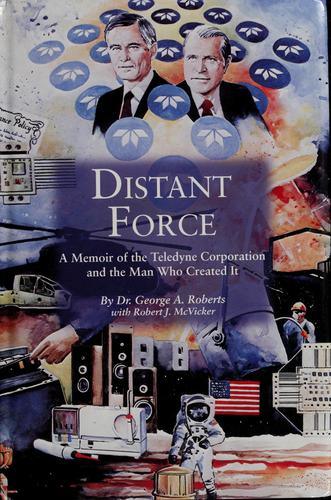
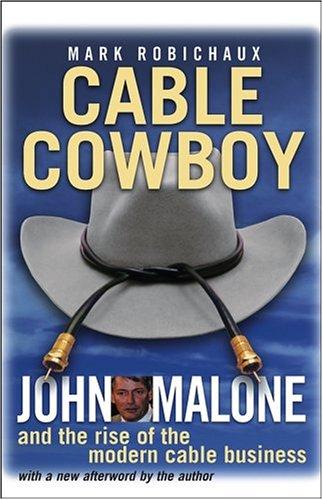
delivered
Get David's key takeaways from each episode delivered to your inbox.